
Common Health Issues for Yorkshire Terriers: How the Right Diet Can Help
By Kelly Gredner, RVT, VTS (Nutrition) · · Updated

Written by Kelly Gredner, RVT, VTS in Nutrition
Yorkshire Terriers are small dogs with big personalities, and unfortunately, big health challenges. Yorkie health problems like sensitive stomachs, food allergies, and picky eating are common in this breed, and gently-cooked dog meals can help manage many of them before they become serious.
The number one health issue for this breed is digestive sensitivity, often triggered by poor-quality ingredients or common allergens like chicken. In this post, you'll learn the most common Yorkshire terrier health problems, what causes them, and which dietary and lifestyle changes can make a real difference for your pup.
What Are Common Problems with Yorkies
Yorkshire Terriers are prone to a specific set of health conditions, some structural, some dietary, and some that overlap. Understanding these issues early helps you take better care of your canine companion before symptoms get worse.
Many common diseases in Yorkies can be supported or managed through the right nutrition, preventive care, and routine vet visits.
Patella Luxation
Patellar luxation, where the kneecap slips out of place, is one of the most frequently diagnosed orthopedic conditions in small breeds 1 , and this breed is no exception. It can range from mild intermittent skipping to severe lameness. Maintaining a healthy weight through proper nutrition reduces the mechanical stress on your pup's joints.
Tracheal Collapse
Tracheal collapse is a progressive condition where the cartilage rings of the windpipe weaken, causing a chronic honking cough. It's especially common in toy breeds. Using a harness instead of a collar is one of the most important preventive steps a Yorkie parent can take.
Dental Disease
Yorkshire Terriers have small mouths and crowded teeth, making them highly prone to plaque buildup, tartar, and periodontal disease. Dental disease is one of the most overlooked but widespread health issues with Yorkies. Daily teeth brushing and routine dental cleanings are essential.
Eye Conditions
This breed is predisposed to conditions like dry eye (keratoconjunctivitis sicca), progressive retinal atrophy, and cataracts. Routine eye exams and proper nutrition supporting cellular health play a role in long-term eye wellness.
Sensitive Stomach
A sensitive stomach is one of the most prevalent Yorkie health issues, often showing up as an intolerance to specific ingredients or signalling more serious underlying issues like food allergies, IBD (irritable bowel disease), or pancreatitis (which requires a low-fat diet).
The signs are hard to miss: nausea, vomiting, regurgitation, loss of appetite, excessive drooling, and diarrhea. These symptoms don't just affect physical health; they can lead to food aversion, causing your pup to reject their current diet altogether and making it even harder to find suitable nutrition.
Picky Eating
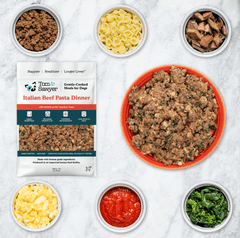
Picky eating is a well-known trait in this breed, but the behavior often goes deeper than simple preference. Age plays a role, as older Yorkie health problems frequently include a reduced sense of smell, making food less appealing. Behavioral patterns matter too, especially when owners inadvertently reinforce pickiness by offering increasingly tempting alternatives.
Most importantly, picky eating can signal underlying gastrointestinal issues. Pancreatitis, food allergies, or IBD might be the real reason behind reluctance at mealtimes. For particularly finicky pups, Italian Beef Pasta Dinner is a great starting point to reignite interest in mealtime while still delivering balanced nutrition.
Itchy Paws and Skin
When your fur baby constantly licks their paws or scratches at their skin, allergies are often to blame. These can be food allergies, environmental allergies, or contact allergies from substances like floor cleaners.
Food allergies, particularly to chicken and beef, two of the most commonly used proteins in commercial pet foods, can manifest in several ways:
Non-seasonal itchiness affecting the feet, armpits, and groin
Self-induced injuries from excessive chewing or biting
Skin inflammation appearing as pink or red patches

Crusting or darkening of the skin
Recurring ear infections
Yeast or bacterial skin infections
Gastrointestinal signs like vomiting or diarrhea
Novel protein diets featuring unique protein sources like Kangaroo dog food * can be a game-changer for eliminating these uncomfortable symptoms and improving your pup's quality of life.
Chicken Allergy
Among Yorkshire terrier health issues, chicken allergies deserve special attention. As one of the most common food allergies in dogs, and given chicken's overwhelming presence in commercial pet foods, this allergy affects a significant number of small breeds. Understanding chicken as a specific trigger helps parents make more informed dietary choices and avoid further sensitization.
Ear Infections
Recurring ear infections can sometimes be the only visible symptom of a food allergy in this breed. This connection often goes unrecognized, leading to repeated vet visits and temporary treatments that don't address the root cause. When ear infections persist despite treatment, it's worth investigating potential food allergies, particularly to common proteins like chicken.
Environmental Allergies
Environmental allergies, or atopy, actually occur more frequently than food allergies in small breeds like the Yorkshire Terrier. The constant scratching disrupts the fragile skin barrier, leading to secondary bacterial or yeast infections. Affected pups often develop dry, brittle coats that lack the lustre typical of a healthy dog.
Nutritional support for environmental allergies focuses on nourishing the skin barrier, replenishing fatty acids, and reducing inflammation. Diets containing essential fatty acids, zinc, biotin, B vitamins, and vitamins A and E can provide significant relief. A Turkey Gobbler Feast meal, for example, is a picky-eater-approved option that can help support diet transitions when switching away from common allergens.
How to Take Care of Yorkshire Terrier Health Issues
Managing common diseases in Yorkies comes down to a combination of targeted nutrition, daily habits, and proactive vet care. There's no single fix, but the right approach makes a meaningful difference across most of the conditions above.
Nutrition Support for Yorkshire Terrier Health
Tom&Sawyer® recognizes that every recipe must address real health needs, not just fill a bowl. Our meals feature whole food ingredients, zero preservatives, and minimal additional supplementation, all prepared in a federally inspected Human Grade facility under the same rigorous standards applied to human food production.
For pups facing specific health challenges, our gently-cooked meals offer targeted solutions:
For Picky Eaters: Italian Beef Pasta, Turkey Gobbler, Fisherman's Best Friend Supper + Tummy Tamer
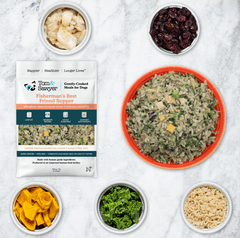
For Low Fat Requirements: Beef & Broccoli, Fisherman's Best Friend, Kangaroo* + Tummy Tamer
For Novel Protein Needs: Kangaroo*
Whether your pup struggles with skin sensitivities, digestive upset, or selective eating habits, gently-cooked meals provide tailored nutrition. Every recipe meets AAFCO nutrition standards while delivering the scientifically balanced diet your canine companion needs.

Other Preventive Actions That Help
Beyond nutrition, a few consistent daily habits go a long way in supporting your pup's health long term:
Daily teeth brushing: Reduces tartar buildup and lowers the risk of periodontal disease, which is extremely common in this breed
Use a harness, not a collar: Takes pressure off the trachea and helps prevent tracheal collapse from worsening
Routine vet visits: Regular checkups catch patella luxation, eye conditions, and dental disease early, before they escalate
These steps don't replace veterinary care, but they do significantly reduce the day-to-day burden of managing health issues at home.
How Tom&Sawyer Supports Your Pup's Long-Term Health
Yorkshire terrier health problems are manageable, especially when nutrition is part of the solution. At Tom&Sawyer® , we believe that feeding your pup like family means giving them whole food ingredients, gently cooked to preserve nutrients, and formulated by our lead nutritionist, Dr. Hannah Godfrey, PhD, Animal Nutrition, to meet every stage of life.
From sensitive stomachs to allergy-driven itching, our recipes are built to support the specific needs of small breeds, because happier, healthier, longer lives™ starts in the bowl.
Browse our gently-cooked dog meals and find the paw-some fit for your pup's health needs today.
*Kangaroo recipe is currently available in Canada only
Resources:
O’Neill, D. G., Meeson, R. L., Sheridan, A., Church, D. B. & Brodbelt, D. C. The epidemiology of patellar luxation in dogs attending primary-care veterinary practices in England. Canine Genet. Epidemiol. 3 , 4 (2016).