
Mercury in Dog Food: Why We Chose Wild Alaskan Pollock
· Updated
Canine nutrition and mercury safety information by Dr. Hannah Godfrey, PhD, Animal Nutrition & Kristin Matthews, Tom&Sawyer® Co-Founder
As pet parents, we scrutinize ingredient labels more than ever before. We look for recognizable ingredients and transparency, but there is an invisible concern that is becoming increasingly difficult to ignore: heavy metals. While fish is an incredible source of protein and Omega-3 fatty acids, the fear of mercury toxicity has led many owners to hesitate before adding seafood to their pup's bowl.
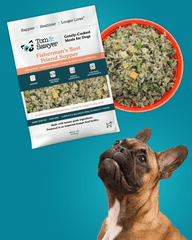
However, eliminating fish entirely means missing out on vital nutrients. The solution lies not in avoiding seafood, but in selecting the right species. This is why we rely on Wild Alaskan Pollock. It offers the perfect balance of high-quality nutrition and safety, making our Pollock dog food a staple for health-conscious pet parents who want the benefits of the ocean without the worry.
Is Mercury in Dog Food a Serious Concern?
The fear surrounding heavy metals in pet food is not unfounded. The primary issue with mercury is a process called bioaccumulation. In simple terms, once mercury enters an animal's body, it is eliminated very slowly. Over time, small amounts can build up to toxic levels.
This is particularly dangerous because mercury does not just affect the digestive system; it targets the nervous system and kidneys. For senior pups or those with compromised renal function, the body’s ability to filter out toxins is already diminished, making the purity of their diet critical.
A broad veterinary study regarding Evaluation of Arsenic, Cadmium, Lead and Mercury Contamination in Over-the-Counter Available Dry Dog Foods highlighted that ingredient quality matters immensely. The study noted that certain diets, particularly those relying on generic fish ingredients, could present concerns regarding heavy metal concentrations. This reinforces the need for transparency in sourcing and the importance of choosing specific, low-mercury fish rather than mystery blends.
What Are the Symptoms of Mercury Poisoning in Dogs?
While acute mercury poisoning is rare, chronic exposure over time is the real concern for pet parents. The symptoms can often mimic other ailments, making them difficult to diagnose without a vet's help. Signs of heavy metal toxicity may include:
Loss of coordination: A pup may seem wobbly or have trouble walking.
Vision changes: In severe cases, blindness or visual impairment can occur.
Kidney damage: Increased thirst and urination, or sudden accidents in the house.
Behavioral changes: Anxiety or unusual lethargy.
Our goal is not to cause alarm, but to emphasize prevention. By choosing a diet formulated with low-mercury ingredients, you significantly reduce these risks.
How Does Mercury Get Into Commercial Pet Food?
Mercury enters the aquatic food chain through industrial pollution, eventually settling in the water. The levels of mercury found in commercial pet food depend heavily on the type of fish utilized in the recipe.
Larger, long-lived predatory fish—such as tuna, swordfish, or king mackerel—eat smaller fish. As they eat, they absorb the mercury from their prey, leading to much higher concentrations in their own tissues. Unfortunately, many commercial dry kibbles use generic "fish meal" or "ocean whitefish." This lack of transparency means manufacturers can include scraps from these larger, high-mercury species without disclosing exactly what fish is in the bag.
Is Wild Alaskan Pollock Safer Than Other Fish?
When compared to other common fish used in dog food, Wild Alaskan Pollock stands out as a superior safety choice. Pollock is a smaller species with a relatively short lifespan. Because they do not live long enough or grow large enough to accumulate high levels of toxins, they remain one of the cleanest sources of marine protein available.
Furthermore, Wild Alaskan Pollock occupies a lower position on the food chain. They feed primarily on plankton and tiny crustaceans rather than other fish, which naturally minimizes the risk of bioaccumulation.
Farmed vs. Wild-Caught: Which Is Better?
Beyond mercury, the environment in which the fish is raised matters. We strictly advocate for wild-caught options over farmed alternatives.
Farmed fish are often raised in crowded pens and may be treated with antibiotics or exposed to pesticides to control sea lice and other parasites. In contrast, Wild Alaskan Pollock swims freely in the icy, pristine waters of the North Pacific. They are harvested sustainably, ensuring that the fish in your furry fur-iend's bowl is free from the pharmaceutical residue often associated with aquaculture.
What Are the Nutritional Benefits of Pollock for Dogs?
Safety is the baseline, but nutrition is the goal. Wild Alaskan Pollock is a nutritional powerhouse. It provides a complete amino acid profile, essential for muscle maintenance and immune function.
Most notably, Pollock is rich in Omega-3 fatty acids, specifically EPA and DHA. These healthy fats are crucial for maintaining a lustrous coat and reducing skin inflammation. For pups suffering from dry, itchy skin or seasonal allergies, the natural oils in Pollock can provide significant relief.
Is Pollock Good for Dogs With Pancreatitis?
For dogs requiring a specialized diet, Pollock is an excellent protein candidate. Doggos with pancreatitis need a diet that is highly digestible but low in fat to prevent flare-ups.
Pollock is naturally lean, containing far less fat than salmon or beef, yet it remains highly palatable. This makes it a Best Choice for canine companions that need to watch their fat intake or caloric density. Additionally, for dogs needing renal support, the high-quality protein in Gently-Cooked Pollock produces less nitrogenous waste than lower-quality protein sources, placing less strain on the
Why Tom&Sawyer Uses Wild Alaskan Pollock
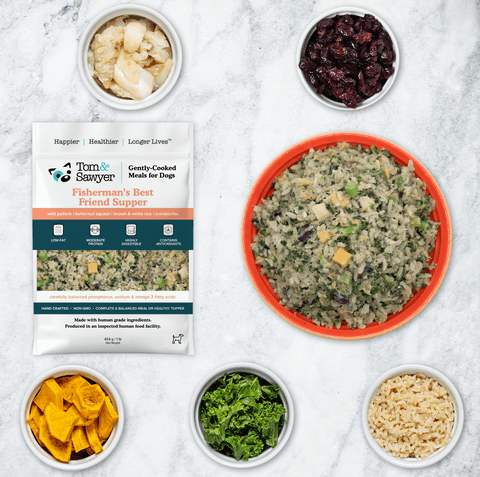
At Tom&Sawyer , we believe that clinical nutrition should never come at the expense of food safety. We approach our recipes with the rigor of a scientific laboratory and the heart of a chef. We specifically chose Wild Alaskan Pollock for our Fisherman's Best Friend Supper recipe because it meets our strict Human Grade standards.
We formulate our meals with the guidance of veterinary nutritionists to ensure that we are supporting your dog's longevity. By using Gently-Cooked, wild-caught Pollock, we provide a meal that is low in fat, safe from high mercury levels, and rich in the nutrients your canine companion needs to thrive. We believe in total transparency—you will always know exactly what is in the bowl, giving you peace of mind with every meal.
Ready to switch to a safer, healthier diet? Visit Tom&Sawyer to explore our menu of chef-prepared meals.