
What Your Cat's Annual Vet Exam Reveals About Their Health (And How Premium Nutrition Makes All the Difference)
By Kelly Gredner, RVT, VTS (Nutrition) ·
Written by Kelly Gredner RVT, VTS (Nutrition)
As cat parents, we often marvel at our feline friends' independence and grace. They seem to have everything under control – until suddenly, they don't. If you're wondering whether that annual vet visit is really necessary when your cat seems perfectly fine, or if switching to a premium fresh food diet like Tom&Sawyer's gently-cooked meals could make a difference, this guide will open your eyes to the hidden health issues your cat might be concealing and how proper nutrition can be your first line of defense.
The Silent Struggle: Why Your Healthy Cat Needs Regular Checkups
Let's address the elephant – or rather, the cat – in the room. When was the last time your feline companion had a comprehensive wellness exam? If you're like many cat parents, it might have been years. After all, cats are masters at appearing self-sufficient, and if nothing seems wrong, why stress them (and yourself) with a vet visit?
Here's the sobering truth: cats are hardwired to hide illness. As both predators and prey in the wild, showing weakness could mean becoming another animal's dinner. This survival instinct means your cat might be suffering in silence, masking pain or illness until the condition becomes advanced, expensive to treat, and potentially life-threatening.
What Really Happens During a Cat Wellness Exam
A thorough veterinary examination is like a detective story, with your vet searching for clues about your cat's internal health. From nose to tail, every aspect of your cat's body tells a story:
The Comprehensive Physical Assessment Includes:
Cardiovascular evaluation: Listening for heart murmurs or irregular rhythms that could indicate early heart disease
Oral examination: Checking for dental disease, which affects up to 85% of cats over age three and is a major source of hidden pain
Abdominal palpation: Feeling for organ abnormalities, masses, or signs of discomfort
Skin and coat assessment: Evaluating for signs of poor nutrition, allergies, or grooming difficulties
Joint mobility check: Detecting early arthritis, which often goes unnoticed in cats
Body condition scoring: Determining if your "fluffy" cat is actually overweight
What might seem like minor issues at home can reveal significant health concerns. That slightly bad breath could indicate painful periodontal disease requiring multiple tooth extractions. The adorable "chonk" you love might be struggling with obesity-related health issues that could shorten their life by years.
The Nutrition-Wellness Connection: How Tom&Sawyer Transforms Cat Health
While regular vet visits are irreplaceable, what your cat eats between those visits can make the difference between merely surviving and truly thriving. Fresh, gently-cooked nutrition like Tom&Sawyer's cat meals addresses the root causes of many common health issues veterinarians see daily.
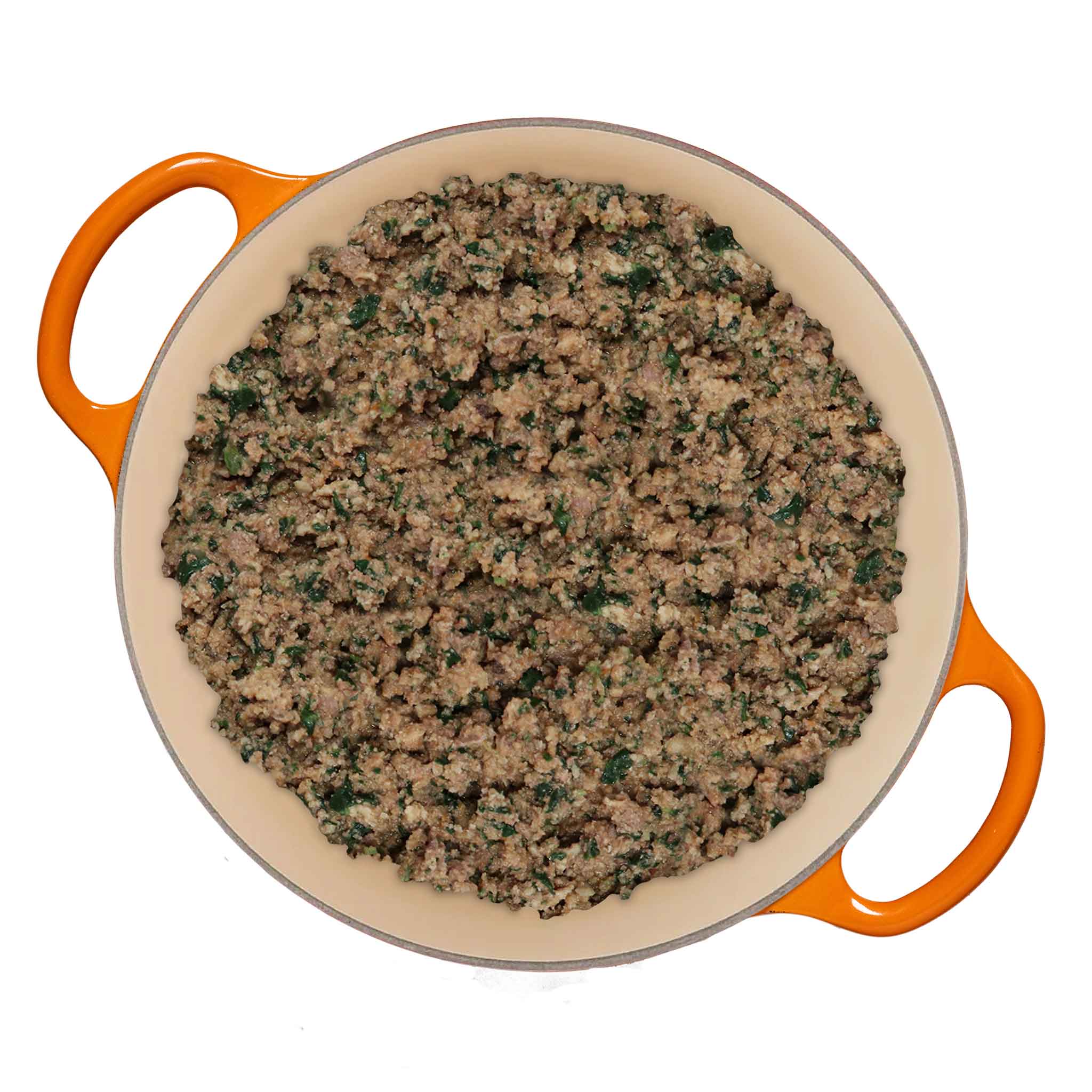
1. Skin and Coat Transformation
A lustrous coat isn't just about aesthetics – it's a window into your cat's internal health. Dry, brittle fur with dandruff often signals nutritional deficiencies or poor diet digestibility.
How Tom&Sawyer Makes a Difference:
All three recipes ( Bento Box* , Chicken Cacciatore *, and Wild West Kangaroo* ) feature highly digestible proteins
Optimal Omega-6 to Omega-3 fatty acid ratios (<5:1) scientifically proven to support skin and coat health 3
Premium ingredients that nourish them, from the inside out
2. Weight Management Without Deprivation
Obesity affects over 50% of cats 4 , leading to diabetes, arthritis, and shortened lifespans. But weight management doesn't mean your cat has to feel hungry.
Tom&Sawyer's Approach:
Chicken Cacciatore* offers just 211 kcal per pack with only 37% of calories from fat – perfect for weight loss
Bento Box* contains choline to support healthy fat metabolism and liver function
High protein and moisture content keeps cats feeling satisfied longer, naturally reducing overeating
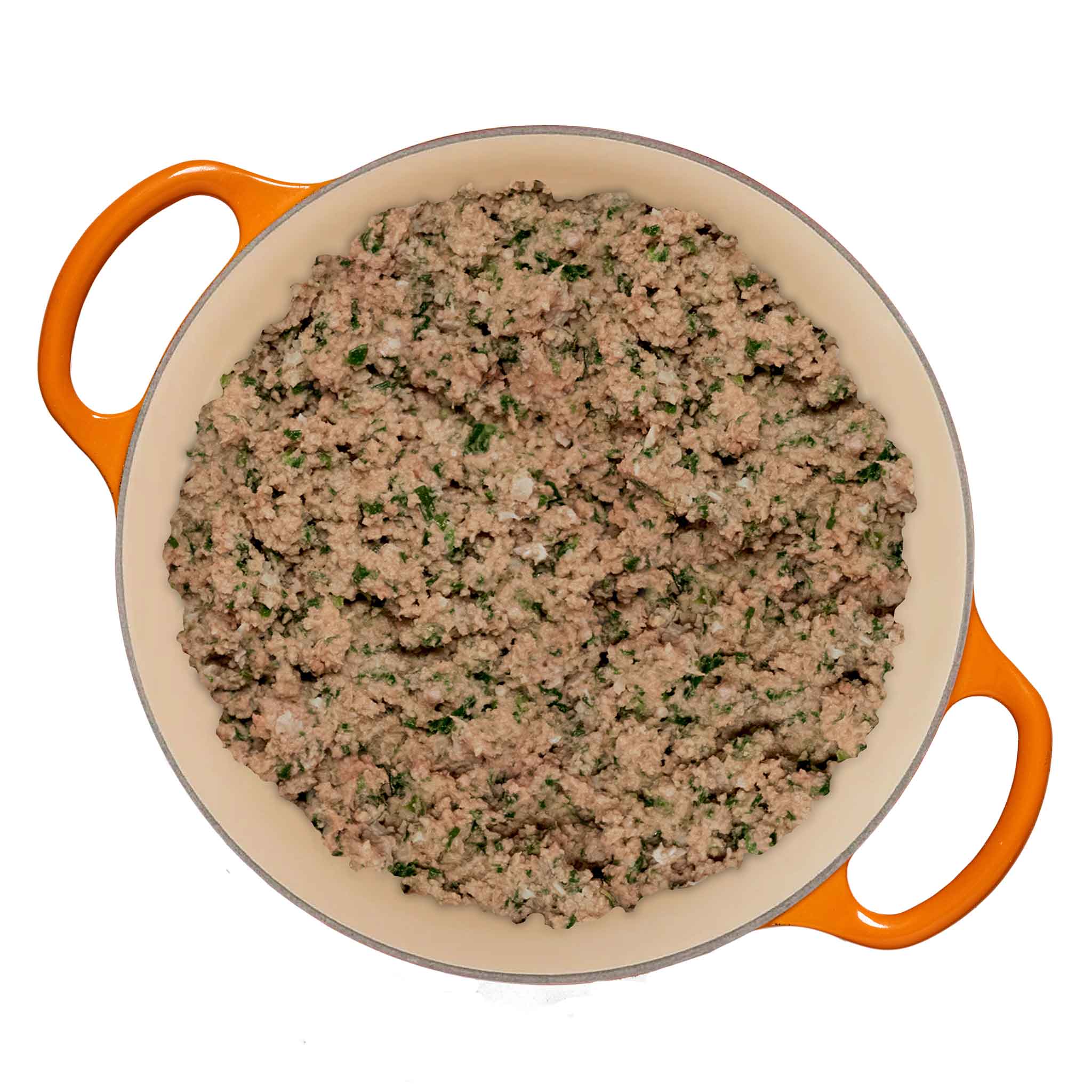
3. Digestive Health and Optimal Stool Quality
Gastrointestinal issues can be seen in our cats, from chronic constipation to inflammatory bowel disease. The solution may lie in improving diet digestibility and moisture content.
The Tom&Sawyer Advantage:
Over 75% moisture content in all meals helps prevent constipation and supports healthy digestion
Research shows gently-cooked diets achieve over 80% digestibility – meaning more nutrients absorbed per bite
Bento Box's* low carbohydrate content (15% of calories) and moderate fibre from sweet potatoes and spinach support sensitive stomachs, along with our proprietary EHS blend that includes chia seeds and the prebiotic FOS (fructooligosaccharides)
4. Urinary Tract Protection Through Hydration
Urinary issues are among the most common reasons for emergency vet visits. Prevention starts with proper hydration!
How Fresh Food Helps:
Tom&Sawyer's 75%+ moisture content dramatically increases daily water intake, diluting the urine and supporting urinary tract health
Based on research in our other furry family friend, the dog, fresh pet food can improve hydration, total water intake, and therefore help in supporting urinary health 1 .
Especially crucial for senior cats with declining kidney function 2
The Power of Prevention: Combining Veterinary Care with Premium Nutrition
Think of your cat's health as a partnership between professional veterinary care and daily nutritional excellence. Tom&Sawyer's gently-cooked meals provide the foundation for wellness, but they work best as part of a comprehensive health strategy.
Recommended Veterinary Visit Schedule:
Kittens (up to 6-8 months): Frequent visits to monitor growth and development
Adult cats (1-7 years): Annual wellness exams
Senior cats (7+ years): Bi-annual check-ups to catch age-related changes early
Changes in appetite or water consumption
Alterations in litter box habits
Vomiting
Changes in activity level or hiding behaviour
Bad breath or difficulty eating
Changes in grooming habits
Weight loss or gain
Any behavioural changes
Making the Switch to Tom&Sawyer: Your Cat's Journey to Optimal Health
Transitioning to Tom&Sawyer's fresh, gently-cooked meals isn't just about upgrading your cat's dinner, it's about investing in their long-term health and happiness. The combination of human grade ingredients, optimal nutrient profiles, and exceptional digestibility means every meal works to prevent the very issues your veterinarian screens for during wellness exams.
Whether you choose the low-calorie Chicken Cacciatore* for weight management, the nutrient-rich Bento Box* for overall wellness, or the novel protein Wild West Kangaroo* for food sensitivities, you're providing nutrition that supports your feline fur-iend’s overall health.
The Bottom Line: Wellness Is a Daily Choice
Your cat's health shouldn't be a mystery solved only during annual vet visits. By combining regular professional care with premium nutrition from Tom&Sawyer , you're giving your feline friend the best chance at a long, healthy, and comfortable life.
Don't wait for obvious symptoms to appear – by then, it might be too late for simple solutions. Schedule that wellness exam, consider a transition to fresh, gently-cooked nutrition, and watch your cat thrive in ways you never imagined possible.
Ready to see the Tom&Sawyer difference for yourself? Visit Tom&Sawyer today to explore our complete line of gently-cooked cat meals and start your cat's journey to optimal health today. Because every cat deserves nutrition as exceptional as they are.
*Currently available in Canada only.
Resources:
Sires Rae, Yamka Ryan, Wakshlag Joe. Feeding fresh food and providing water ad libitum is clinically proven to exceed calculated daily water requirements and impact urine relative supersaturation in dogs. Frontiers in Veterinary Science . Volume 12 - 2025. https://www.frontiersin.org/journals/veterinary-science/articles/10.3389/fvets.2021675990
Bellows J, Center S, Daristotle L, et al. Aging in cats: Common physical and functional changes: Common physical and functional changes. Journal of Feline Medicine and Surgery . 2016;18(7):533-550. doi: 10.1177/1098612X16649523
Scarlett Burron, Taylor Richards, Giovane Krebs, Luciano Trevizan, Alexandra Rankovic, Samantha Hartwig, Wendy Pearson, David W L Ma, Anna K Shoveller, The balance of n-6 and n-3 fatty acids in canine, feline, and equine nutrition: exploring sources and the significance of alpha-linolenic acid, Journal of Animal Science , Volume 102, 2024, skae143, https://doi.org/10.1093/jas/skae143
Association for Pet Obesity Prevention - https://www.petobesityprevention.org/2022