
Dog Flatulence: When Good Farts Go Bad
By Kelly Gredner, RVT, VTS (Nutrition) ·
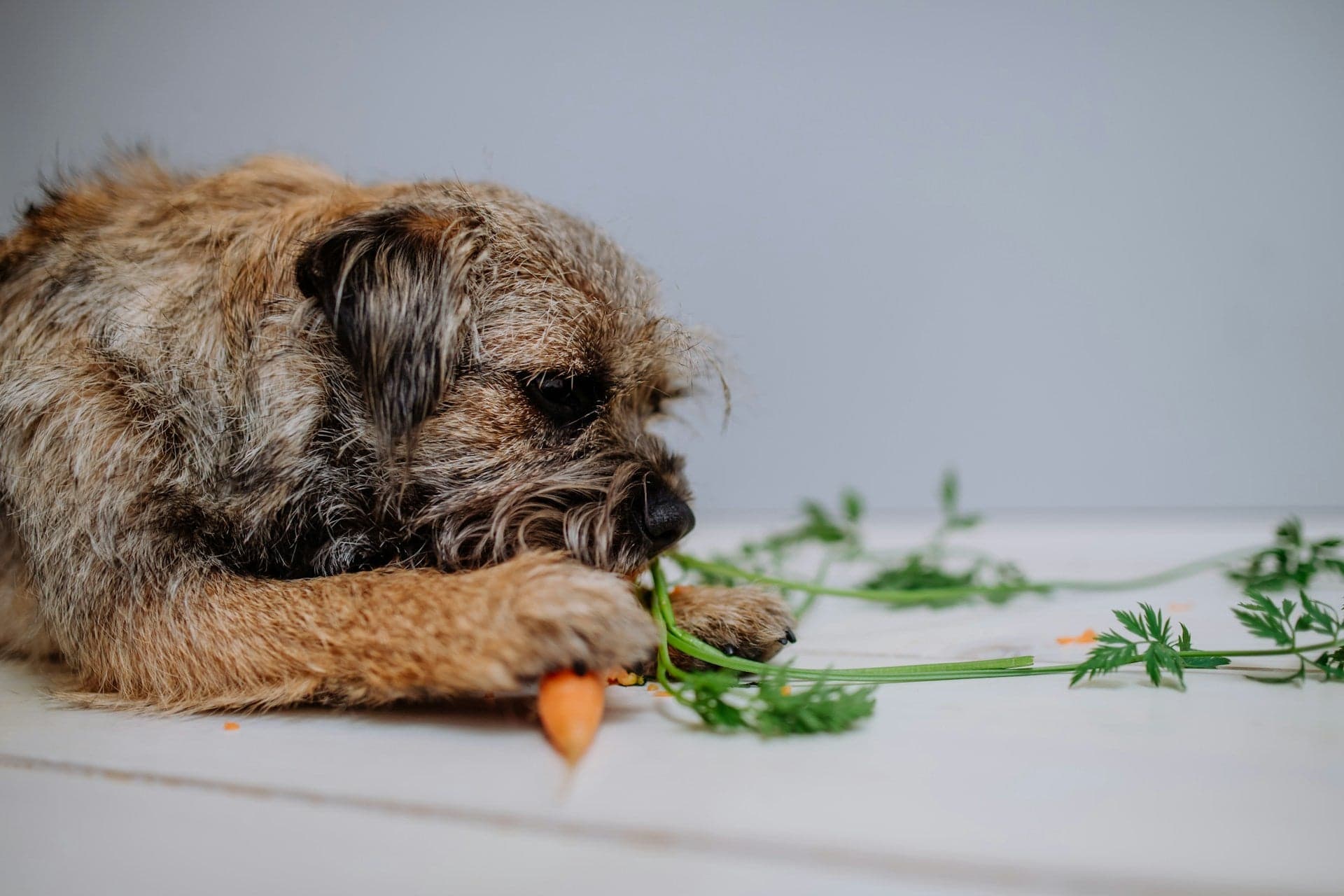
We all love our pets unconditionally, but every pet parent knows that moment when a quiet room suddenly gets filled with a surprisingly potent odor.
Dog flatulence is usually a normal part of digestion, but frequent or unusually foul gas can point to a problem with diet or gut health. While passing gas might make you giggle or wrinkle your nose, frequent or unusually foul gas is more than just a smelly nuisance. Flatulence in dogs offers an open window into their digestive health.
Whether your furry friend is clearing the living room or experiencing uncomfortable tummy rumbles, understanding what causes pet flatulence, and how to manage it, can help keep your pup happy, healthy, and comfortable.
What is dog flatulence?
Dog flatulence is gas passed from the gastrointestinal system through the anus. Flatulence or flatus is the medical term for gas emitted from the gastrointestinal system through the anus. A more fun term is farts!
This, along with burping and gut sounds (borborymus - the name for gas moving along the gastrointestinal tract) are normal bodily functions for dogs and cats, but it’s more often seen emanating from our canine companions4.
These gases are the result of various things1:
- Swallowed air (aerophagia)
- Gases produced by regular digestion processes
- Diffusion from the bloodstream into the gastrointestinal tract
- Gases released from fermentation in the gut
Why do flat-faced breeds fart more?
Flat-faced breeds fart more because they swallow more air. And did you know that those adorable squished face breeds (the brachycephalics) like French Bulldogs or Pugs are more prone to farts?
Why? Because they breathe through their mouths more than their noses1!
Is dog gas normal?
Occasional dog gas is normal, and most of it doesn't smell. Infrequent farts and burps are generally not concerning and 99% of farts are actually odourless4! The remaining 1% can be the room clearing gases, those caused by sulfur-containing compounds and usually the major concern for pet parents.
While generally innocuous, if your pet is experiencing chronic gas, frequent bad smelling gas, or frequent gut sounds, this could be a sign of an underlying problem.
What causes gas in dogs?
Gas in dogs comes from everyday digestion, but certain foods and medical conditions can make it more frequent and more smelly.
Remember, excessive air consumption doesn’t smell bad!
Medical conditions that cause smelly dog gas
Some conditions that might cause malodorous, frequent flatulence are2:
- Bacterial infections
- Viral infections
- Intestinal inflammation
- Gastrointestinal tumors or masses
- Intestinal parasites
- Small Intestinal Bacterial Overgrowth (SIBO)
- Chronic Inflammatory Enteropathy (CIE, used to be called IBD)
Gastrointestinal disorders that cause malabsorption or maldigestion like CIE can increase the amount of partially digested food available for fermentation by the gut flora, which can then increase the volume and odour of the gas3.
Diet-related causes: why does my dog fart so much?
Dietary related things that cause a change in the frequency of flatulence are2,4:
- Change in feeding routine (change in food composition, amount fed, digestibility)
- Type and abundance of gut flora
- Dietary indiscretion (eating things they shouldn’t like garbage, rotten food off the ground, etc)
- Abrupt diet change (no transitionary period between diets)
- Excessive amounts of beans, legumes or dairy
- Abrupt changes in fibre type and amount, or too much fibre
- Poor quality proteins and/or carbohydrates (those with low digestibility)
Dogs and cats lack the necessary digestive enzymes to break down the bonds in ingredients like peas, soybeans and beans (called nonabsorbable oligosaccharides).
But, the bacteria in the gut can! In small amounts, this can be beneficial for them, but too much will cause excessive fermentation of these foods which will create more CO2 and hydrogen.
Pets can also be lactose intolerant! If they are, and they ingest dairy, then you might see an increase in flatulence.
Poor quality ingredients or those with low digestibility will introduce more foodstuff to the gut microbes for fermentation.
How do vets treat dog flatulence?
Vets treat dog flatulence by finding the underlying cause first, then matching the treatment to it. Because of the multitude of triggers for flatulence, there are also many options to help treat it. Having a greater understanding of the underlying cause is important, especially if you are noticing more concerning symptoms like weight loss, vomiting or diarrhea2,4.
Your veterinarian might recommend:
- A full physical examination
- Fecal testing (to rule out parasites)
- Blood work
- Abdominal x-rays and/or ultrasound
Then, medications or other treatments might be recommended like1,2:
- Deworming
- Antibiotics
- Pro/Postbiotics
- Dietary changes
Everyday ways to help a gassy dog
Other ways to help non-complicated flatulence once a serious medical condition has been ruled out include:
- Feed small, frequent meals to slow down the delivery of nutrients to the gut and improve digestion
- Reduce aerophagia (the swallowing of air) by introducing food puzzles
- Discourage competitive eating (slow down those fast eaters!)
- Increase daily exercise to stimulate peristalsis (or gut movement) in “couch potatoes”
- Avoid triggering foods once discovered
What to feed a dog with gas
The best food for a dog with gas is highly digestible, with the right type and amount of fiber. When it comes to flatulence, dietary management can be beneficial3,4. We typically focus on reducing gas production from the gut microbes. This means choosing a highly digestible food with adequate fiber types and amounts. Assessing the nutrient profile or composition of the diet, protein and carbohydrate sources, digestibility, and fiber content can be the first step to relieving the gas.
Why does digestibility matter for dog gas?
Digestibility matters because the less food that gets digested, the more is left for gut microbes to ferment into gas. This is especially important when it comes to the sources of carbohydrates and proteins in the dog's diet.
Poorly digestible or improperly cooked carbohydrates (which can be low in digestibility), means there is more undigested food for the gut microbes to ferment.
Foods that are far too high in protein, or use poorly digested proteins, will also result in proteins reaching the gut microbes. Fermentation of protein is especially stinky!
The Goal: For dogs with flatulence, we want to reduce the amount of food reaching the gut. Increasing the digestibility of the diet to >80% can be helpful in reducing flatulence. Learn more about what dog food digestibility really means.
Do carbohydrates cause gas in dogs?
Carbohydrates can cause gas in dogs, but the source matters more than the carbohydrate itself. Not all carbohydrates are bad!
Although carbohydrates are not a necessary nutrient for dogs, carbohydrates are important for gut health and energy.
Rice has actually been shown to decrease flatulence in dogs compared to wheat and corn. There are many carbohydrate options available in pet food, and each source can affect flatulence and at different levels.
The Verdict: A pet parent could consider reducing the amount of carbohydrates in the diet OR switching sources and monitoring their response.
How much protein should a gassy dog eat?
A gassy dog does best on a highly digestible protein, at no more than about 30% of the diet on a dry matter basis. Protein that has a low digestibility can increase the amount of ammonia and other volatile compounds released into the gut, contributing to foul smelling gas.
Therefore, the source and amount of protein can affect the odour of the gas.
For proteins specifically, consider:
- Switching to a higher quality/higher digestible protein source
- Switching the amount of protein in the diet to less than or equal to 30% on a dry matter basis
- Avoid excess protein in the diet by avoiding diets that are more than 30% protein on a dry matter basis - more protein isn’t necessarily better!
- Switch protein source from common to novel, especially if food allergies or intolerance is suspected
- Avoid soybeans and legumes
Which fibers cause gas in dogs?
Fiber might be the most important dietary factor in dog gas, and the goal is to choose the right fibers rather than cut fiber out. The fiber source, type and amount all can contribute to the formation of flatulence and might be the most important factor to consider when assessing your dog’s current diet3. This includes their regular food, treats and other diet components.
Fibre is an important part of your pet’s diet and so the goal is not to eliminate fibres entirely. Rather, we want to select fibres that have less impact on the production of bad smelling gas. For example, soluble or highly fermentable fibers, mixed fiber sources, even the type of vegetables can be contributing factors.
Fiber enhanced or enriched diets, or a diet that contains more fiber than the dog is used to, can also increase gas production. Fiber slows down gut transport time which can unfortunately at the same time slow down gas movement leading to gas retention (bloating, cramping), gut sounds, abdominal discomfort and flatulence.
Consider switching to a diet with about 5% fiber on a dry matter basis or less than 3% crude fiber (as fed basis).
The vegetables that are more likely to produce bad smelling gases are:
- Cauliflower
- Kale
- Broccoli
- Green leaf vegetables
Can a low fat diet help dog flatulence?
A highly digestible, low fat diet can help some dogs with flatulence by speeding up how quickly the stomach empties. Another dietary option to consider is to switch to a highly digestible, low fat diet (<25g/1000kcal or <20% ME). This can be helpful for pets without a primary diagnosis, or a diagnosis requiring a reduced fat diet (improving digestion). A reduced fat diet will quicken stomach emptying time, decreasing the time the food is in the stomach accumulating gas. See our low fat meals.
Should you change your dog's food format?
Changing your dog's food format can help with gas, as long as the switch is slow and monitored closely. Switching diet formats can change the gut microbe environment, which in some circumstances, could be beneficial. However, the gut needs time to adjust. You can use our transition guide as a starting place for this!
Because each pet is individual, there are many potential ways to help ease flatulence. This might mean committing to a trial-and-error approach to see what diet works best for their own gut.
Please note: A dietary change may take up to 2-5 days post-transition to see changes in intestinal gases.
Pet parents should check all foods and treats given to the pet, looking for potential triggers as it might be a combination of those things affecting the gut.
How can Tom&Sawyer meals help a gassy dog?
Tom&Sawyer meals can help a gassy dog because they are gently-cooked for digestibility and come in several nutritional profiles to match your pup's needs. Our human grade meals use whole food ingredients like proteins and carbohydrates, and gently-cook them to improve digestibility, retain moisture and nutrients, and are super flavorful.
If you are looking for a brand new food type, gently-cooked might be the right answer for your pup. Answer a few questions about your pup in our meal quiz to see which recipes fit.
Which Tom&Sawyer meal should you try?
Our meals vary in nutritional profiles - from low fat, high fiber, to novel proteins - there is likely a new tasty option for your pup struggling with flatulence.
As a reminder, each pup is unique and the approach to treating chronic flatulence will look different!
If you are looking for a SENIOR, LOW FAT, REDUCED PROTEIN MEAL - try Fisherman’s Best Friend Supper!
Fisherman’s Best Friend Supper - A low fat meal at 19g/1000kcal, this one is designed with senior pups in mind! It’s also a novel protein option for those with suspected or confirmed food allergies or intolerance. This fish based meal also contains both white and brown rice for fiber and digestibility! It’s also our lowest protein meal at 25% dry matter.
If you are looking for a HIGH FAT, LOW CARB MEAL - try our Classic Pork Stew!
Classic Pork Stew - Our highest calorie, highest fat meal is also a low carbohydrate one! Carbohydrates only make up 10% of the total calories, with a focus on fats and proteins for energy, but includes parsnips, kale, pumpkin, and spinach for soluble fiber.
If you are looking for a CHANGE IN MEAL TYPE, try our best selling Italian Beef Pasta Dinner!
As a gently-cooked pet food company, we also incorporate fruit, vegetables and cooked carbohydrates into each formula, providing whole food sources of mixed and (mostly) soluble fiber.
How do you help a gassy dog feel better?
Helping a gassy dog feel better starts with their diet, eating habits and a check-in with your vet. Flatulence is a natural part of your dog’s life, but chronic or foul-smelling gas shouldn't be ignored. By paying attention to their diet, eating habits, and overall digestive health, you can make a significant difference in their comfort (and their housemates!). When in doubt, work alongside your veterinarian or a veterinary nutrition specialist to tailor a diet that keeps your pup happy, healthy, and smelling better.
Ready to try a highly digestible, gently-cooked diet? Take the meal quiz to build your pup's Meal Plan and join the pack at Tom&Sawyer.
References
- Brooks, W. (n.d.). Flatulence in Dogs. Veterinary Partner. https://veterinarypartner.vin.com/default.aspx?pid=19239&catId=254092&id=4952806
- Myers, J. (2026, July 14). Flatulence in dogs. Vetster Online Vets. https://vetster.com/en/symptoms/dog/flatulence
- Andrea J. Fascetti VMD, PhD,, Sean J. Delaney BS, DVM, MS,, Jennifer A. Larsen DVM, MS, PhD, Cecilia Villaverde BVSc, PhD. Applied Veterinary Clinical Nutrition. 2023. DOI:10.1002/9781119375241
- Hand M.S. et al. (eds) (2010). Small Animal Clinical Nutrition 5th ed. Mark Morris Institute