
The Scoop on Poop: What Healthy Dog Poop Is Telling You
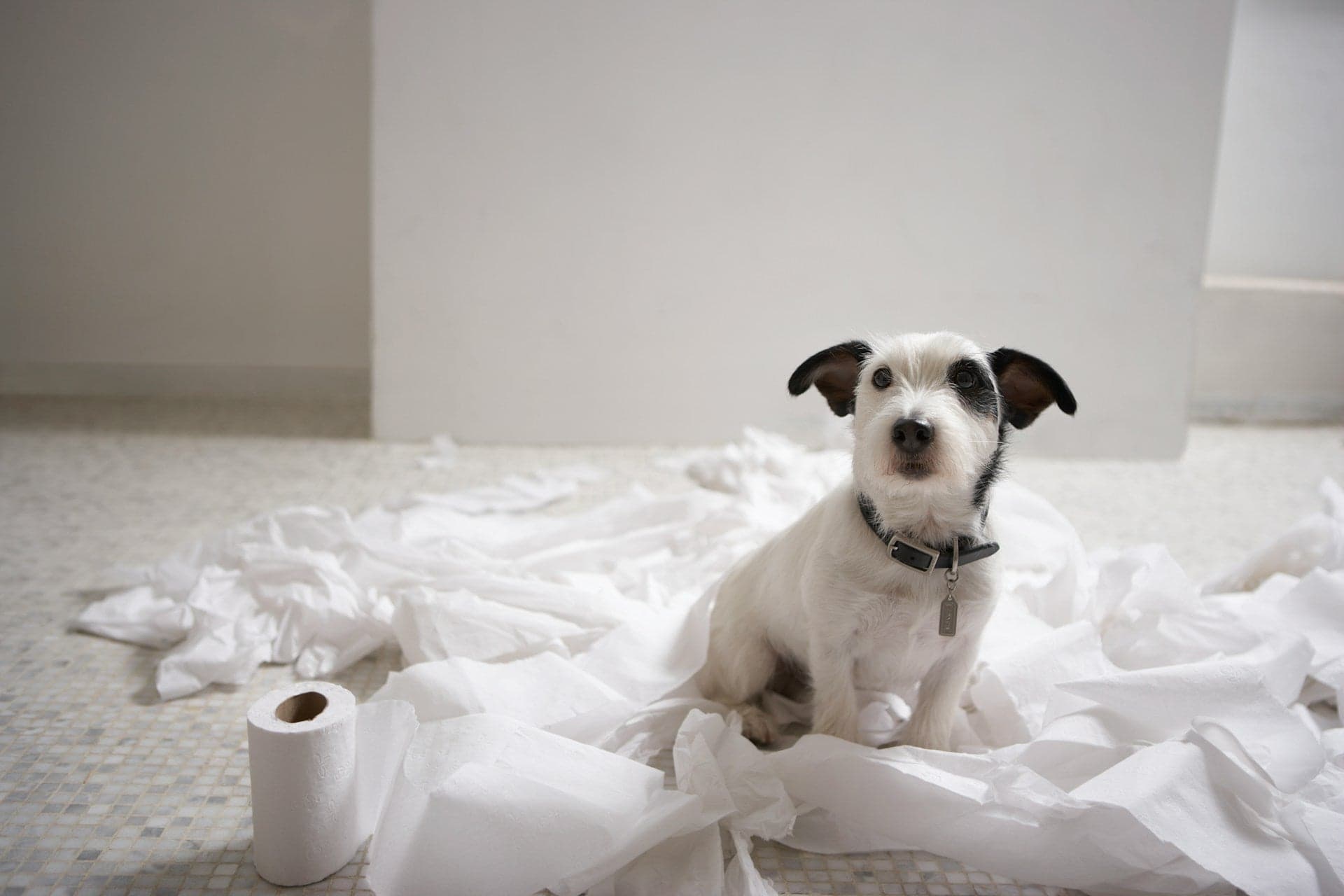
We're the same type of weird if, as a pet owner, you obsessively study your pet's poop.
So what is your pet's poop trying to tell you? What should dog poop look like? What influences your pet's bowel movements? Healthy dog poop is firm, chocolate brown, log shaped and easy to pick up, and what you feed your dog, especially fibre and how digestible the food is, shapes every one of those traits. Below, we explain what your dog's poop is telling you, with a dog poop colour chart and a dog fecal score chart. If you're wondering whether your pup's food is helping, answer a few questions about your pup to find meals that fit.
How does diet affect your dog's poop?
Diet shapes what your dog's poop is telling you, through protein, fats, carbohydrates, and especially fibre, which all impact the digestive system. It's no surprise that what you feed your pet will affect their poop.
Fibre is the most commonly discussed nutrient when it comes to poop because of its large influence on how food moves through the digestive system. However, this doesn't negate the importance of other nutrients.
Why is fibre important for dog poop?
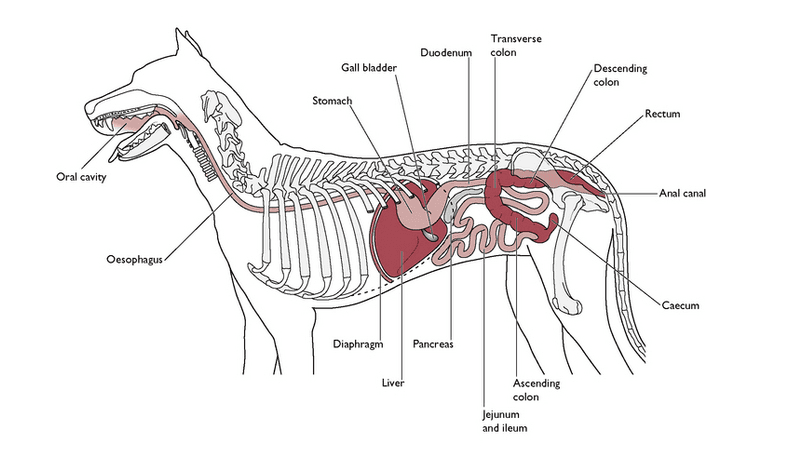
Fibre shapes your dog's poop because it slows the movement of food through the digestive system, feeds the beneficial gut bacteria and gives stool its bulk and structure. Fibres can slow down the movement of food through the digestive system. This allows more time for digestive enzymes to break down the food and for the body to absorb the nutrients.
The more food that is digested and absorbed means there is less to be deposited in your pet's poop, leaving the indigestible components (such as the fibre) to provide the bulk of the poop.
The delayed movement of the food through the digestive tract may also slow the time before your pup's next poop.
The microbiome is also affected by fibre, and a healthy microbiome helps produce healthy poop! Fibre feeds the beneficial bacteria in the gut, which can help your pup maintain healthy poop. (Read more in Ferment on This: Dietary Fibre for Your Pets.)
Fibre can also influence the physical characteristics of poop, such as shape, firmness and overall consistency. Moderate fibre in the diet is thought to provide bulk and structure to your pet's poop.
Can too much fibre upset your dog's stomach?
Too much fibre can upset your dog's stomach and disturb the gut instead of helping it. While fibre is beneficial at promoting healthy poop, too much can also cause disturbances in the gut as well, so be careful not to over supplement your pet's diet with too much fibre. That can lead to cramping, bloating and discomfort. (Our quick scoop on fibre in your pet's diet covers the different types.)
How does digestibility affect dog poop?
Digestibility affects how much stool your dog produces, because poor quality or low digestibility of proteins, fats or carbohydrates will result in more unused food ending up in your pet's poop. Protein, fats, and carbohydrates can also influence transit time throughout the digestive system, though a greater focus is placed on the digestibility of these nutrients.
Does gently-cooked food change your dog's poop?
Gently-cooked fresh pet food changed both the gut microbiome and the amount of poop in a study by the research team under Dr. Kelly Swanson's supervision, which compared dogs fed traditional kibble with dogs fed a gently-cooked pet food1. The researchers found that gently-cooked fresh pet food resulted in changes in the gut microbiome, promoting many beneficial bacterial populations. In addition, the researchers found that dogs fed the gently-cooked fresh pet food had less poop.
Any pet parent can appreciate that! (We break the study down in our post on the published human grade pet food study.)
How can human grade, gently-cooked food support healthy dog poop?
Human grade, gently-cooked food supports healthy dog poop by pairing highly digestible ingredients with a moderate fibre content, the two things that shape your dog's stool the most. At Tom&Sawyer, every meal is made with 100% human grade ingredients, real, recognizable ingredients you'd find in your own kitchen, prepared in a federally inspected human food facility. Each ingredient is gently-cooked to its optimal internal temperature: enough for safety and digestibility, without cooking out the nutrients.
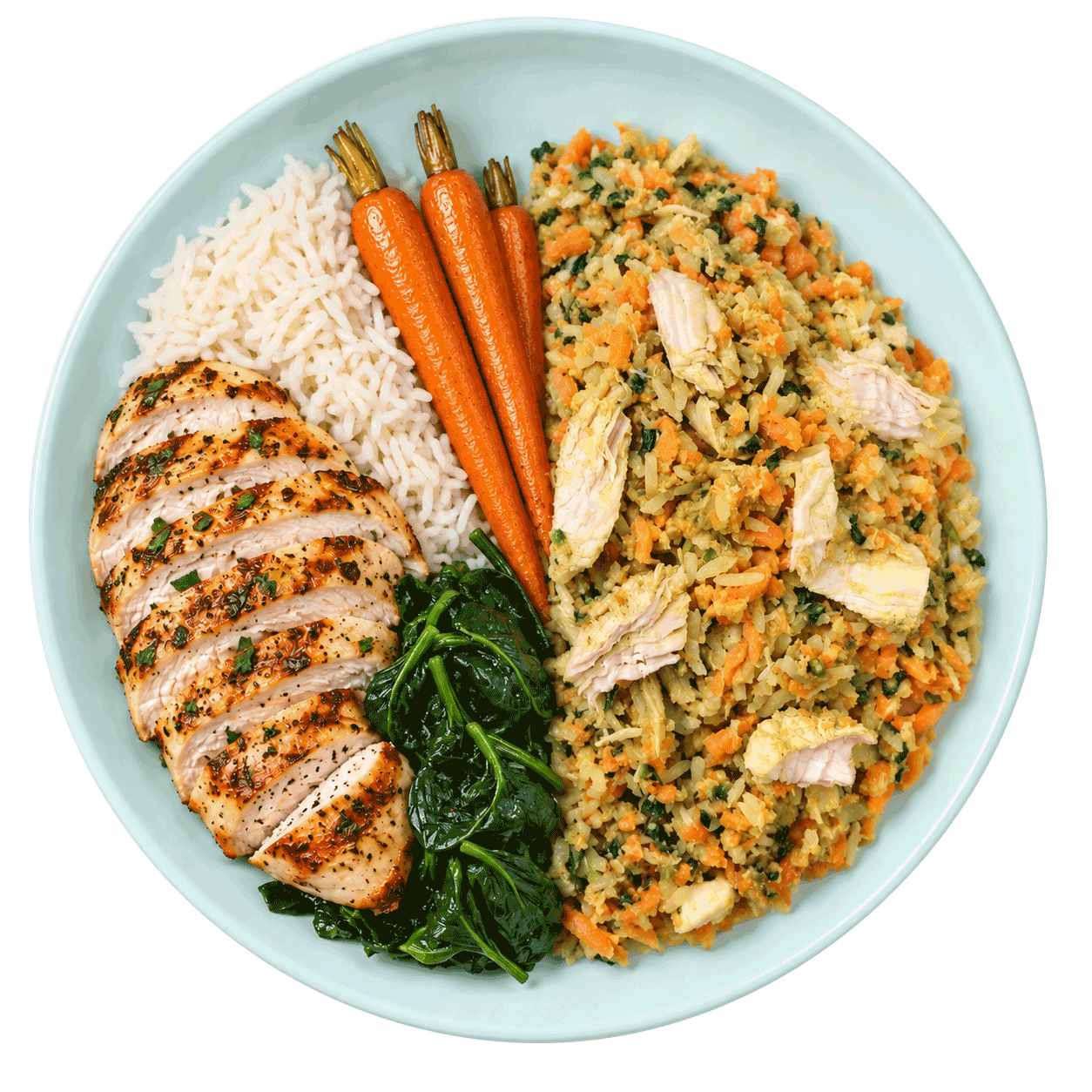
Animal nutritionists formulate and lab test every recipe to meet AAFCO nutrition profiles, so your pup gets complete and balanced nutrition rather than an over-supplemented bowl: no more than 3% of each recipe comes from added vitamins and minerals. For pups with sensitive tummies, our meals for sensitive stomachs, including the Thai Coconut Chicken & Rice* with chicken, white rice, carrots and coconut milk are a gentle place to start.
What should dog poop look like?
Dog poop should be firm, chocolate brown (with some variation dependent on diet), log shaped, with no mucous coating and no visible blood: that is what healthy dog poop looks like. You don't need a microscope to have a good sense of whether your pet's poop is healthy or not!
When you go to clean up your pet's poop, it should be easily grasped with one hand such that no streaks are left behind, or if on grass, there should be minimal traces of poop stuck to the grass.
Any alterations in these factors could be a sign that something is wrong. Look for changes in colour and consistency to determine whether you need a veterinarian to take a closer look at your pup's poop.
Trait | Healthy dog poop |
Colour | Chocolate brown, with some variation dependent on diet |
Shape | Log shaped |
Firmness | Firm |
Coating | No mucous coating |
Blood | No visible blood |
Pick-up test | Easily grasped with one hand, no streaks left behind; minimal traces on grass |
Fecal score | 2 or 3 |
What does the colour of your dog's poop mean?
Dog poop colour, like any change in your dog's stool, can show that your pet has eaten something they maybe shouldn't have, is infected with a parasite, or has damage to their intestinal tract. Changes in the colour of your pooch's poop are worth noting, and chocolate brown is the colour to aim for. Use our dog poop colour chart to help you determine the health of your pup's poop!
Dog poop colour | What it may indicate5 |
Chocolate brown | Generally considered normal and healthy |
Black, tar-like | A bleed within the gastrointestinal tract |
Red streaks | Fresh blood, from an internal issue or a superficial injury; reddish poop can also come from red berries or food dyes |
Yellow to orange (consistently) | A biliary or liver issue |
Grey | A biliary or pancreatic issue |
Whitish to yellow, or with whitish streaks | A problem absorbing fat |
White specks | Parasites such as tapeworms |
Green | Usually from eating grass or other green plants |
What changes dog poop consistency?
Changes in dog poop consistency, from hard pellets to loose stool, can be a sign of poor hydration, digestion, low quality food, stress, or a sign that a transition to a new food was perhaps too quick. Your pet's poop should form log shapes and be firm to touch. (Switching foods? Here's how to transition your dog or cat to a new diet.)
What is a healthy fecal score for a dog?
A healthy fecal score for a dog is a score of 2 or 3 on the 1-to-7 dog fecal score chart, which rates stool from very hard (1) to watery (7) and is the best way to determine whether the consistency of your pet's poop is healthy or not. Scores of 4 or 5 should be monitored, whereas a score of 6 or 7 warrants a trip to the vet.
Use our fecal scoring chart to help you determine your pet's fecal score.
Fecal score | What the stool looks like4 | What to do |
1 | Very hard and dry; often passed as individual pellets; takes much effort to pass; no residue left on the ground when picked up | Harder than ideal: mention it to your veterinarian if it continues |
2 | Firm, but not hard; pliable; segmented in appearance; little or no residue on the ground when picked up | Healthy |
3 | Log-shaped; little or no visible segmentation; moist surface; leaves residue on the ground but holds form when picked up | Healthy |
4 | Very moist, soggy; log-shaped; leaves residue and loses form when picked up | Monitor |
5 | Very moist but has a distinct shape; piles rather than distinct logs; leaves residue and loses form when picked up | Monitor |
6 | Has texture but no defined shape; piles or spots; leaves residue when picked up | Trip to the vet |
7 | Watery; no texture; flat puddles | Trip to the vet |
When should you call the vet about your dog's poop?
Call your veterinarian about your dog's poop whenever a change in stool colour or consistency is abrupt or won't go away, and whenever the fecal score reaches 6 or 7. If your pet has abrupt changes in any aspect of their poop, or what seemed sudden has become chronic - please call your Veterinarian! (For loose stools, see our guide to diarrhea in dogs.)
How do you start feeding your dog for healthier poop?
Healthy dog poop starts in the bowl, so the easiest place to start is your pup's next meal. To feed your pet for better poops, consider looking for highly digestible ingredients and a moderate fibre content! Fresh, gently-cooked pet foods can be a great option for your pet.
Take the meal quiz to build your pup's Meal Plan and join the Tom&Sawyer pack.
If you have any questions about your pet's diet, Tom&Sawyer meals, or your pet's poop, connect with our in-house nutrition team: nutrition@tomandsawyer.com!
* Currently available in Canada only
Resources
- Do S, Phungviwatnikul T, de Godoy MRC, Swanson KS. 2021. Nutrient digestibility and fecal characteristics, microbiota, and metabolites in dogs fed human-grade foods. Journal of Animal Science, 99(2). https://doi.org/10.1093/jas/skab028
- Burkholder WJ, Toll PW. Obesity. In: Hand MS, Thatcher CD, Reimillard RL, Roudebush P, Morris ML, Novotny BJ. editors. Small animal clinical nutrition, 4th edition. Topeka, KS: Mark Morris Institute. 2000.
- Case L.P. et al. Canine and Feline Nutrition: A resource for companion animal professionals 3rd ed. May 19, 2010.
- Nestlé Purina PetCare. Fecal Scoring Chart. Hosted by The Ohio State University Veterinary Medical Center. https://vmc.vet.osu.edu/sites/default/files/documents/purina-fecal-score-chart.pdf
- Schaible, L. (2025, July 23). Dog Poop Color and Health. Hill's Pet Nutrition. https://www.hillspet.com/dog-care/healthcare/dog-poop-color-and-health