
Can Cats Eat Salmon? A Vet-Backed Guide to This Powerful Protein for Cats
By Kelly Gredner, RVT, VTS (Nutrition) ·
Written by Kelly Gredner, RVT, VTS (Nutrition)
Yes, cats can eat salmon when it is fully cooked, plain, boneless, and served in appropriate amounts. Salmon should not replace a complete and balanced cat meal unless the diet has been specifically formulated for that purpose.
Cats are obligate carnivores. Animal protein is not optional for them; it is the foundation of how their bodies function. Salmon can be a valuable addition, but how it is prepared and how often it is served matter just as much as the protein itself.
This guide covers the benefits of salmon for cats, what forms are safe, how much makes sense, and how salmon fits alongside the best cat meals * for your kitty's everyday nutrition.
Can Cats Eat Salmon Safely
Yes, salmon can be safe for cats when it is:
Fully cooked through
Served plain, with no added seasoning
Completely boneless before serving
Free of garlic, onion, butter, oil, or salt-heavy sauces
Offered as a treat or complementary ingredient, not the sole diet
A small piece of plain cooked salmon is very different from a seasoned fillet from your own plate. Preparation makes all the difference.
Benefits of Salmon for Cats
Salmon offers several nutritional qualities that make it a worthwhile protein for feline fur-iends, when used appropriately.
Salmon Provides High-Quality Animal Protein
Cats rely on animal-based protein to support their bodies every single day. Salmon delivers a concentrated source of that protein, contributing to muscle maintenance, sustained energy, and normal daily biological function.
Salmon Contains Healthy Fats
Salmon is a fat-rich fish, which plays into why so many kitties find it appealing. Those fats contribute to calorie density and palatability, making salmon a useful option for feline fur-iends who need a little extra motivation at mealtime.
The fats in salmon can support skin and coat health when included as part of a complete and balanced diet. This is not a treatment for dry skin or allergies; it is what a nutrient-dense, whole food protein can contribute as part of a well-formulated meal.
Salmon Is Rich in Omega-3 Fatty Acids
Salmon is widely recognized for its omega-3 fatty acid content. When included as part of a balanced diet, omega-3s may support normal skin, coat, and overall wellness in cats. They are a nutrient that contributes when the overall diet is complete and appropriate, not a standalone solution for any specific condition.
Salmon Can Help Picky Eaters at Mealtime
Salmon has a strong aroma and rich flavor, and cats definitely notice. For kitties who turn their noses up at less aromatic proteins, salmon can be a useful way to spark interest in mealtime, as part of a complete feeding routine rather than a daily staple.
Cooked or Raw: What Is Safer for Cats
Cooked salmon is the safer choice. Raw salmon can carry food safety risks, and cooking helps reduce those risks significantly.
Cats should not be fed raw salmon unless a veterinarian or veterinary nutritionist has specifically evaluated and guided the diet. If you would not feel confident eating it safely yourself, it should not go in your kitty's bowl.
What Kind of Salmon Cats Can Eat
Not all salmon is the same. Here is what to know before you serve it:
Plain cooked salmon: Baked, steamed, or boiled with no seasoning, no bones, cut into small pieces. This is the best at-home option.
Canned salmon: Only if plain, packed in water, and low in sodium. Check labels carefully and skip anything packed in oil or sauce.
Smoked salmon: Skip it. Typically high in salt and may contain seasonings that are not appropriate for cats.
Salmon skin: Best avoided. It can be fatty and tends to absorb seasoning or oil when cooked as part of a human meal.
How Much Salmon a Cat Can Eat
Salmon should be an occasional treat unless it is already part of a complete and balanced cat food formula. Extras and toppers should stay small (approximately 5-10% of their daily diet), and the majority of your kitty's nutrition should come from a complete cat meal.
The concern arises when extras gradually make up a meaningful portion of the diet and start displacing nutrients your cat needs from a complete formula. One bite of salmon is rarely the issue. A slow shift where treats become a staple is where things can go sideways. Cats with existing health conditions should be reviewed with a veterinarian before adding any new protein.
When Salmon May Not Be the Right Choice for Your Cat
Salmon is not automatically the right fit for every feline fur-iend. Consider speaking with your vet if your kitty:
Has a known sensitivity to fish
Is on a prescription or restricted diet
Has a history of digestive sensitivity
Gains weight easily on calorie-rich foods
Becomes overly selective after high-value proteins are introduced
Sometimes the healthiest choice is not the most exciting one. It is the protein your cat digests well and can eat consistently as part of a complete, balanced routine.
Salmon vs Chicken for Cats: How These Proteins Compare
Salmon and chicken bring different strengths to the bowl. Salmon is rich, flavorful, and recognized for its omega-3 fatty acid content. Chicken is lean, familiar, and widely digestible for most cats.
If your kitty enjoys salmon but your everyday cat meal does not include it, that does not mean something is missing. A well-formulated chicken-based recipe contributes high-quality animal protein in a form most cats tolerate consistently. It will not deliver the same omega-3 profile as salmon, but as part of a complete and balanced meal, it holds up well as a daily option.
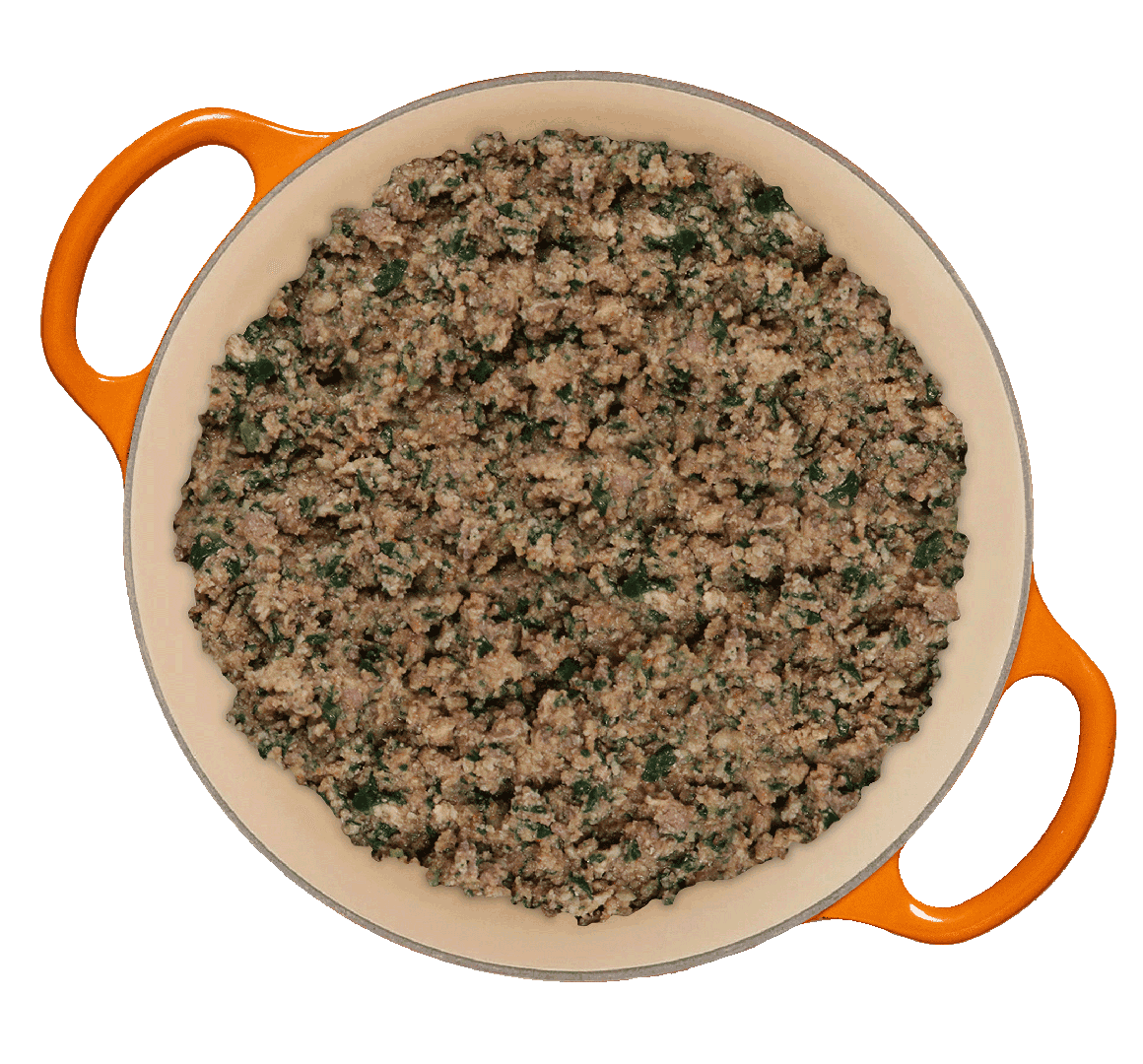
For cats who do well with poultry, the Tom&Sawyer® Chicken Cacciatore is a complete, gently-cooked option built from whole food ingredients, with zero preservatives and minimal additional supplementation.
How to Introduce Salmon to Your Cat
Going slowly is the right approach when adding something new to your kitty's diet:
Start with a very small amount.
Use plain cooked salmon only.
Watch for any changes: vomiting, loose stool, itching, or appetite shifts.
Do not introduce multiple new foods at the same time.
Stop and reassess if your cat reacts poorly.
If your cat has a medical condition or is on a specialized diet, check with your veterinarian before making any changes.
Salmon and Cats: Your Questions Answered
Can Cats Eat Cooked Salmon
Yes. Plain, fully cooked, boneless salmon served in small amounts is a safe option for most cats.
Can Cats Eat Raw Salmon
It is best to avoid raw salmon unless a veterinarian or veterinary nutritionist has specifically evaluated and guided the diet.
Can Cats Eat Canned Salmon
Sometimes. Canned salmon packed in water, plain, and low in sodium can be used in small amounts. Avoid anything in oil, sauce, or with added seasonings.
Can Cats Eat Smoked Salmon
Not recommended. Smoked salmon is typically too high in salt and may contain seasonings that are not appropriate for cats.
Is Salmon a Good Choice for Cats With Sensitive Stomachs
Some cats tolerate salmon well, and others do not. For cats with sensitive digestion, introduce any new protein slowly and consult your vet if symptoms persist or worsen.
Is Chicken or Salmon Better for Cats
Neither is automatically better. Salmon brings rich flavor and omega-3 fatty acids. Chicken is a lean, digestible everyday protein when used in a complete and balanced cat meal. The right fit depends on the individual cat.
Complete Cat Nutrition, Thoughtfully Made
At Tom&Sawyer® , we believe what goes into the bowl matters as much as how it is made. Our gently-cooked cat meals are prepared in a federally inspected Human Grade facility using whole food ingredients, with zero preservatives and minimal additional supplementation, because the nutrition should come from the food itself.
Take a look at how our meals go from ingredient to bowl . Every recipe is formulated by our Lead Nutritionist, Dr. Hannah Godfrey, PhD, Animal Nutrition, and tested to meet and/or exceed AAFCO standards for your feline fur-iend's life stage.
Whether your kitty thrives on chicken, needs a novel protein option, or is still finding their stride, Tom&Sawyer® has a recipe built to support them. Because when you feed them like family, they thrive like one. happier, healthier, longer lives™
* cat meals are currently only available in Canada