
Why Kangaroo Became One of Our Most Interesting Proteins for Dogs With Food Sensitivities
By Kelly Gredner, RVT, VTS (Nutrition) ·

Written by Kelly Gredner, RVT, VTS (Nutrition)
Kangaroo for dogs has become one of the most talked-about options in the world of food sensitivities, and for good reason: it's one of the few proteins most dogs have genuinely never eaten before. That makes it a true novel protein for dogs, useful for identifying and managing food allergies when more familiar proteins like chicken or beef are the suspected cause.
We didn't add kangaroo to our lineup on a whim. It became one of our most interesting proteins precisely because of what it offers dogs who need options that traditional recipes can't provide.
What Is a Novel Protein for Dogs
A novel protein for dogs is simply a protein source your dog has never eaten before, which means their immune system has had no prior opportunity to react to it.¹
Food allergies develop when a dog's immune system mistakenly identifies a specific protein as a threat, most often after repeated exposure over time.³ Chicken, beef, dairy, and lamb are among the most common triggers, largely because they show up in so many everyday diets and treats. A novel protein for dogs sidesteps that history entirely, giving the immune system nothing familiar to react to.
This is also the foundation of an elimination diet trial, one of the most reliable ways to actually diagnose a food allergy rather than guess at one. Veterinary guidance from NC State University's veterinary hospital recommends feeding a novel protein or hydrolyzed diet exclusively for 6 to 10 weeks, followed by a careful reintroduction of the original diet to confirm whether symptoms return.² Blood and skin tests, by comparison, don't reliably identify food allergens, which is part of why this feeding trial approach remains the standard.²
Why Kangaroo Protein Stands Out
Kangaroo protein stands out because it combines genuinely novel status with an unusually lean, nutrient-dense profile.
Most dogs in North America have never eaten kangaroo, since it isn't a traditional ingredient in mainstream commercial diets the way chicken, beef, or even lamb can be.³ Beyond its novelty, kangaroo protein is naturally very lean, typically containing only a small percentage of fat compared to more common red meats, while still delivering a full spectrum of essential amino acids. It's also a good source of iron, zinc, and B vitamins, which support energy metabolism and healthy muscle maintenance.
Because kangaroos are wild-sourced rather than farmed, kangaroo protein also comes without some of the feed additives associated with conventional livestock. For dogs who need a lean, easily digestible protein, whether due to food sensitivities, weight management, or a history of pancreatitis, kangaroo protein checks a lot of boxes at once.
Why Vets Recommend Kangaroo for Food Sensitivities
Kangaroo for food sensitivities is often recommended because dogs are far less likely to have been previously exposed to it compared to chicken, beef, or lamb.
Veterinary nutrition resources specifically list kangaroo alongside rabbit, venison, duck, and fish as go-to novel protein options for dogs with suspected food allergies, on the theory that commercial pet foods have historically used these ingredients far less often.³ This matters because the entire premise of using kangaroo for food sensitivities depends on your dog genuinely never having eaten it before, so it's worth thinking back through every food and treat your dog has had, not just their regular meals.
Common signs that a dog may be dealing with a food sensitivity include chronic itching, recurring ear infections, and ongoing digestive upset that doesn't resolve with typical treatment.⁴ These signs can also point to environmental allergies, which is why working with your veterinarian to confirm the cause matters just as much as the protein you choose.
How to Know If Kangaroo Is Right for Your Dog
Kangaroo tends to be worth considering for dogs showing persistent skin or digestive symptoms that haven't responded to other changes, particularly dogs who have already been fed chicken, beef, or lamb regularly throughout their life.
If you're exploring kangaroo for dogs as part of an elimination diet, consistency matters more than almost anything else. That means feeding kangaroo exclusively, without other proteins sneaking in through treats, table scraps, or flavored medications, for the full trial period your veterinarian recommends.² Even a small amount of a familiar protein can compromise the results and make it harder to know what's actually helping.
For dogs who don't need a strict elimination trial but simply do better on a lean, easily digestible protein, kangaroo protein can still be a useful option to rotate into a well-rounded diet, always as part of a complete and balanced recipe rather than on its own.
Kangaroo, Done the Tom&Sawyer Way
At Tom&Sawyer® , kangaroo for dogs and cats has earned its place as one of our most requested proteins for exactly the reasons above. Our 🍁 Kangaroo * recipe is a limited ingredient option built around this single novel protein for dogs managing sensitivities, and our feline friends have their own version in 🍁 Wild West Kangaroo *.
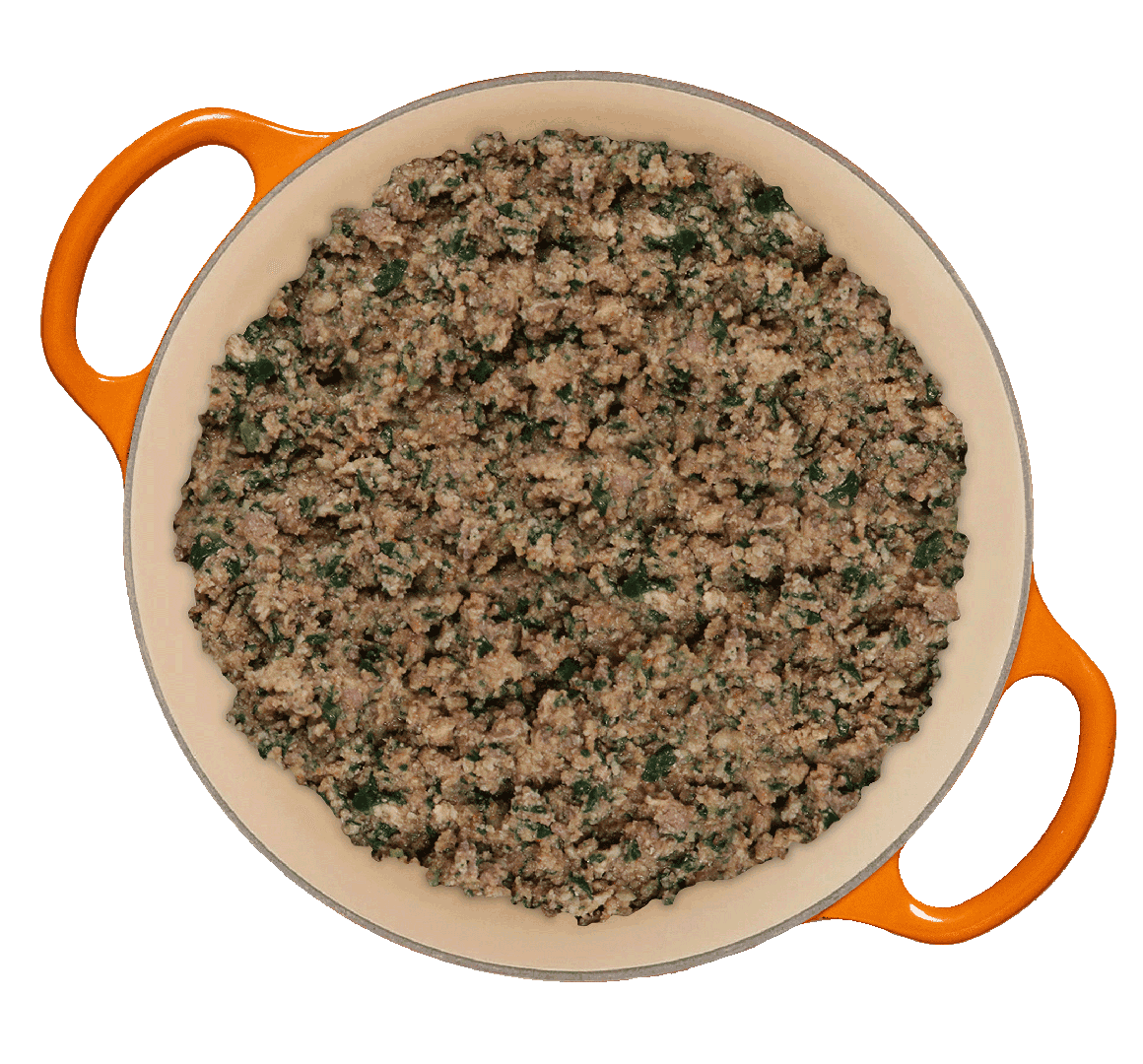
Both recipes are gently-cooked with human grade ingredients and formulated to be complete and balanced, so switching to a novel protein never means compromising on nutrition.
If you think kangaroo protein might be a fit for your dog, our meal plan questionnaire can help you figure out the right recipe and portion, or you can browse our full collection of meals to see everything we offer. Because whether or not kangaroo for dogs ends up being the right fit, every recipe we make is built to support happier, healthier, longer lives™.
* currently available in Canada only
References
NC State University Veterinary Hospital - Hydrolyzed Diets. https://hospital.cvm.ncsu.edu/services/small-animals/nutrition/hydrolyzed-diets/
NC State University Veterinary Hospital - Hydrolyzed Diets. https://hospital.cvm.ncsu.edu/services/small-animals/nutrition/hydrolyzed-diets/
Today's Veterinary Practice - Food Allergy: Diagnostics & Therapeutic Food Options. https://todaysveterinarypractice.com/nutrition/food-allergy-diagnostics-therapeutic-food-options/
Royal Canin - Nutrition for Dogs With Food Allergies. https://www.royalcanin.com/us/dogs/health-and-wellbeing/nutrition-for-dogs-with-food-allergies