
Why Do Dogs Eat Grass? Understanding the Nutritional Needs Behind This Common Behavior
If you're a dog owner, you may have caught your furry friend munching on grass in the backyard or during your daily walks. While it may seem like a puzzling behaviour, dogs eating grass is actually quite common. But have you ever wondered why dogs eat grass? Is it just a random habit or is there a deeper reason behind it?
In this blog, we will explore the possible reasons why dogs eat grass, with a special focus on the nutritional aspects of this behaviour, and how a gently cooked, complete and balanced diet could help.

Photo by Mateusz Grabowski
Reason 1: Seeking Nutrients
One of the main reasons why dogs eat grass is to obtain nutrients that could be missing from their regular diet. Grass is a good source of fibre, which can aid in digestion and promote bowel movements. Because dogs are omnivores, they rely on plant-based sources of fibre and essential nutrients like vitamin A, vitamin K, and calcium, which could be lacking in a dog's diet. By consuming grass, dogs may be trying to supplement their nutrient intake.
Reason 2: Inducing Vomiting
Another possible reason why dogs eat grass is to induce vomiting. When a dog has an upset stomach, they may eat grass to trigger vomiting as a way to expel whatever is causing discomfort in their digestive system. Some dogs instinctively know that consuming grass can help them vomit and relieve their discomfort. However, it's important to note that not all dogs will vomit after eating grass, and inducing vomiting should not be encouraged without consulting a veterinarian.
Reason 3: Behavioural or Environmental Factors
Sometimes a dog eating grass could just be a sign of boredom. This can be eliminated by incorporating more interactive play, such as chews and food toys. The same works for dogs who may be eating grass out of anxiety since eating grass can help alleviate their stress and occupy their thoughts.
Additionally, if a dog is kept in an environment where grass is readily available, such as a backyard, they may be more likely to eat it out of habit or curiosity.
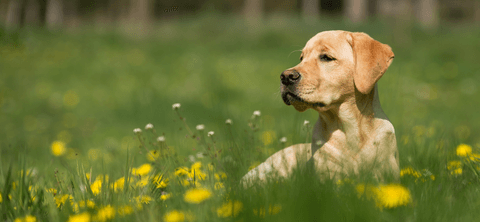
Photo by Vincent van Zalinge
How a Cooked, Complete and Balanced Diet Can Help
Providing your dog with a fresh cooked, complete and balanced diet could help address the nutritional aspects of why dogs eat grass. A high-quality, gently cooked dog food that is complete and balanced can provide all the essential nutrients your dog needs for optimal health, including fibre, vitamins, and minerals. This can help ensure that your dog's diet is nutritionally balanced and meets their specific dietary requirements, reducing the likelihood of them seeking out grass as a source of missing nutrients.
You can even use our meals to alleviate boredom and anxiety or stress! Adding our meals to a fillable chew, such as the infamous Kong toys, or by spreading our meals over a lick mat, you can easily provide additional interactions and games to keep their minds’ busy! See how you can feed our recipes for dogs as a topper here.
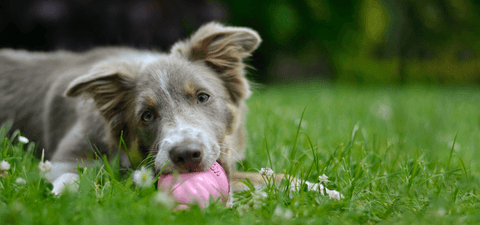
Photo by Ayla Verschueren
In conclusion, dogs may eat grass for various reasons, including seeking nutrients, inducing vomiting, or due to behavioural or environmental factors. Providing your dog with a gently cooked, complete and balanced diet can help address the nutritional aspects of why dogs eat grass, ensuring that their diet is nutritionally balanced and meets their specific dietary requirements. Remember to always consult with your veterinarian for any concerns or questions about your dog's nutrition and overall health, including their grass-eating behaviour.
Written by: Hannah Godfrey
Animal Nutritionist
BSc.H. | MSc. Animal Nutrition
www.tomandsawyer.com