
Dog Food for Shiba Inu Allergies: What the Gut and Skin Research Means for Their Bowl
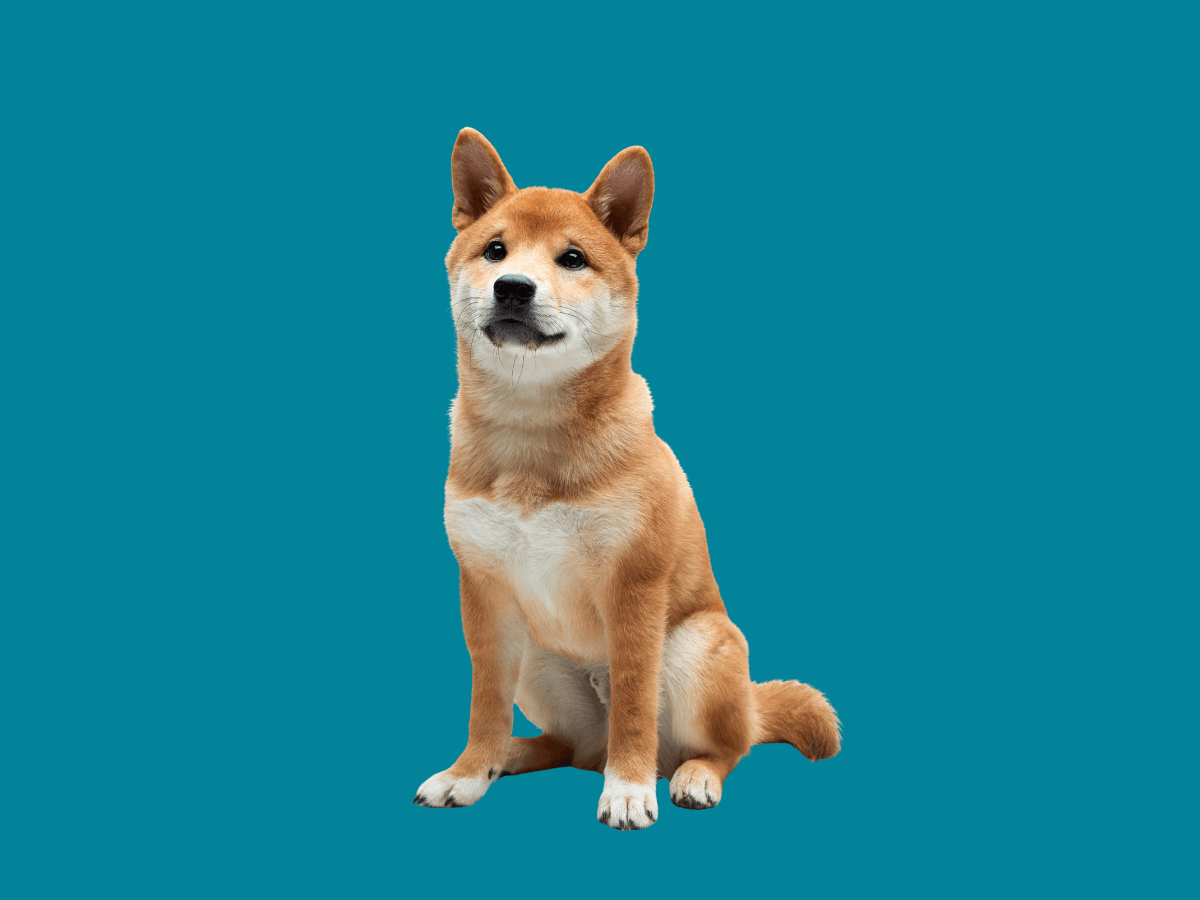
Shiba Inu allergies usually show up as itchy skin, and food is only one possible cause. Shibas are prone to atopic dermatitis, and a 2023 study found their gut and skin bacteria differ when they have it. That's a link, not proof that a diet fixes it. If your vet suspects a food allergy, an 8-week trial on a simple, chicken-free meal is the way to find out. Our Shiba Inu dog food guide covers the breed's full profile.
What causes Shiba Inu itchy skin?
Shiba Inu itchy skin is most often caused by an allergy, either to something in the environment or to something in the food. Our breed profile lists chicken allergy, itchy paws and skin, and a sensitive stomach as the Shiba's common health risks.
The two kinds of allergy can look alike, which is why a vet's help matters:
- Atopic dermatitis is a long-term, relapsing skin condition. Researchers describe the Shiba Inu as a breed predisposed to it, and most affected dogs need lifelong management1.
- A Shiba Inu food allergy is a reaction to an ingredient, usually a protein. A food trial is the way to diagnose it3.
What did the gut and skin research find in Shiba Inus?
The gut and skin research found that Shiba Inus with atopic dermatitis carry different bacteria in their gut and on their skin than healthy Shibas. A 2023 study published in Microbiome compared both, and found two groups of gut bacteria (Fusobacteria and Megamonas) were common in healthy dogs but much reduced in dogs with atopic dermatitis1.
The researchers also found that when affected dogs were treated with a common anti-itch medication, their gut bacteria shifted closer to those of healthy dogs1. They concluded that the gut and skin microbiota could be a basis for future treatments1.
What does that research mean for a Shiba Inu's bowl?
The research means a Shiba Inu's gut is worth paying attention to, but it doesn't show that any food cures atopic dermatitis. The study found an association between gut bacteria and the skin condition, not a diet that changes it.
What you can do with that today is practical:
- Keep the diet consistent and simple, so you and your vet can see what affects the skin.
- Ask your vet about omega-3 fatty acids as part of a skin plan, since your vet knows your dog's full history. Every Tom&Sawyer dog meal we've featured here lists fish oil in its ingredients.
- Treat a food trial as a test, separate from long-term atopic dermatitis care.
Which foods most often trigger a Shiba Inu food allergy?
The foods that most often trigger a Shiba Inu food allergy are the common proteins dogs eat most. A review of the evidence found beef, dairy, chicken and wheat are the food allergens most often behind skin reactions in dogs2.
Chicken allergy in Shiba Inus is common enough to appear on our breed profile. If you suspect it, check treats, chews and toppers as well as the main meal, since chicken turns up in many of them.
How long should a food trial for Shiba Inu allergies last?
A food trial for a Shiba Inu should last at least 8 weeks. A review of elimination diet studies found more than 80% of dogs with food-related skin reactions improved by 5 weeks, and more than 90% had fully improved by 8 weeks3.
- Choose one trial meal with your vet, built on a protein your Shiba hasn't eaten before.
- Feed nothing else, including treats, chews and flavoured supplements.
- Track itch, paws and skin weekly, with notes or photos.
- Reintroduce one old food at the end if your vet asks, to confirm the trigger.
To make the trial easier, take the meal quiz and tell us what your Shiba needs to avoid. We'll recommend meals without those ingredients.
What is the best food for a Shiba Inu with allergies?
The best food for a Shiba Inu with allergies is a complete and balanced meal built on a protein your dog tolerates, chosen with your vet. Our breed page features two chicken-free meals that carry our Allergy-Friendly tag.
Meal | Main protein | Leaves out | Calories |
Fisherman's Best Friend Supper | Wild Alaskan pollock | Chicken, beef, pork, eggs, dairy, gluten | 504 kcal per pack |
Classic Pork Stew | Lean ground pork | Chicken, beef, eggs, dairy, gluten, grains | 742 kcal per pack |
- Fisherman's Best Friend Supper pairs Alaskan pollock with butternut squash, brown and white rice and cranberries. It's a low fat recipe and also carries our Skin & Coat tag.
- Classic Pork Stew is a stew of lean ground pork, root vegetables and leafy greens, with no grains. It suits a busy, high-energy Shiba, with Skin & Coat and Picky Eater tags.
Our breed page also features Berry Beefy Breakfast Bowl, a tasty beef recipe for Shibas without allergies. Beef is one of the common food allergens, so it isn't the first pick for a trial.
How do gently-cooked meals support a Shiba Inu with allergies?
Gently-cooked meals support a Shiba Inu with allergies by making it easy to know exactly what goes into the bowl. Every Tom&Sawyer meal is made with 100% human grade ingredients, real and recognizable, in a human grade inspected facility, and gently-cooked to a safe internal temperature without cooking out nutrients.
Animal nutritionists formulate and lab test each recipe to AAFCO nutrient profiles, so one recipe is a complete diet for the whole trial. A Full Plan makes our meal your Shiba's complete diet, portioned to the gram for their calorie needs. A Partial Plan mixes our meals with their current food once the trial is done. You can cancel anytime, and each order comes with our 14 day satisfaction guarantee.
Ready to tackle Shiba Inu allergies with your vet?
Shiba Inu allergies are easier to manage with a clear plan: a vet diagnosis, a simple diet, and patience through an 8-week trial if food is a suspect. Bring your vet a list of everything your Shiba eats, treats included.
Build your pup's Meal Plan with our meal quiz. Tell us about your Shiba Inu, and we'll match them with chicken-free meals portioned to their weight.
Please consult your veterinarian before making changes to your pet's diet, especially if your pet has a medical condition.
Resources
- Thomsen, M., Künstner, A., Wohlers, I., Olbrich, M., Lenfers, T., Osumi, T., Shimazaki, Y., Nishifuji, K., Ibrahim, S. M., Watson, A., Busch, H., & Hirose, M. (2023). A comprehensive analysis of gut and skin microbiota in canine atopic dermatitis in Shiba Inu dogs. Microbiome, 11, 232. https://pmc.ncbi.nlm.nih.gov/articles/PMC10590023/
- Mueller, R. S., Olivry, T., & Prélaud, P. (2016). Critically appraised topic on adverse food reactions of companion animals (2): common food allergen sources in dogs and cats. BMC Veterinary Research, 12, 9. https://bmcvetres.biomedcentral.com/articles/10.1186/s12917-016-0633-8
- Olivry, T., Mueller, R. S., & Prélaud, P. (2015). Critically appraised topic on adverse food reactions of companion animals (1): duration of elimination diets. BMC Veterinary Research, 11, 225. https://pmc.ncbi.nlm.nih.gov/articles/PMC4551374/