
What Pomeranian Bowls Teach Us About Tiny Portions, Picky Eating, and Mealtime Appeal
By Kelly Gredner, RVT, VTS (Nutrition) ·
Written by Kelly Gredner, RVT, VTS (Nutrition)
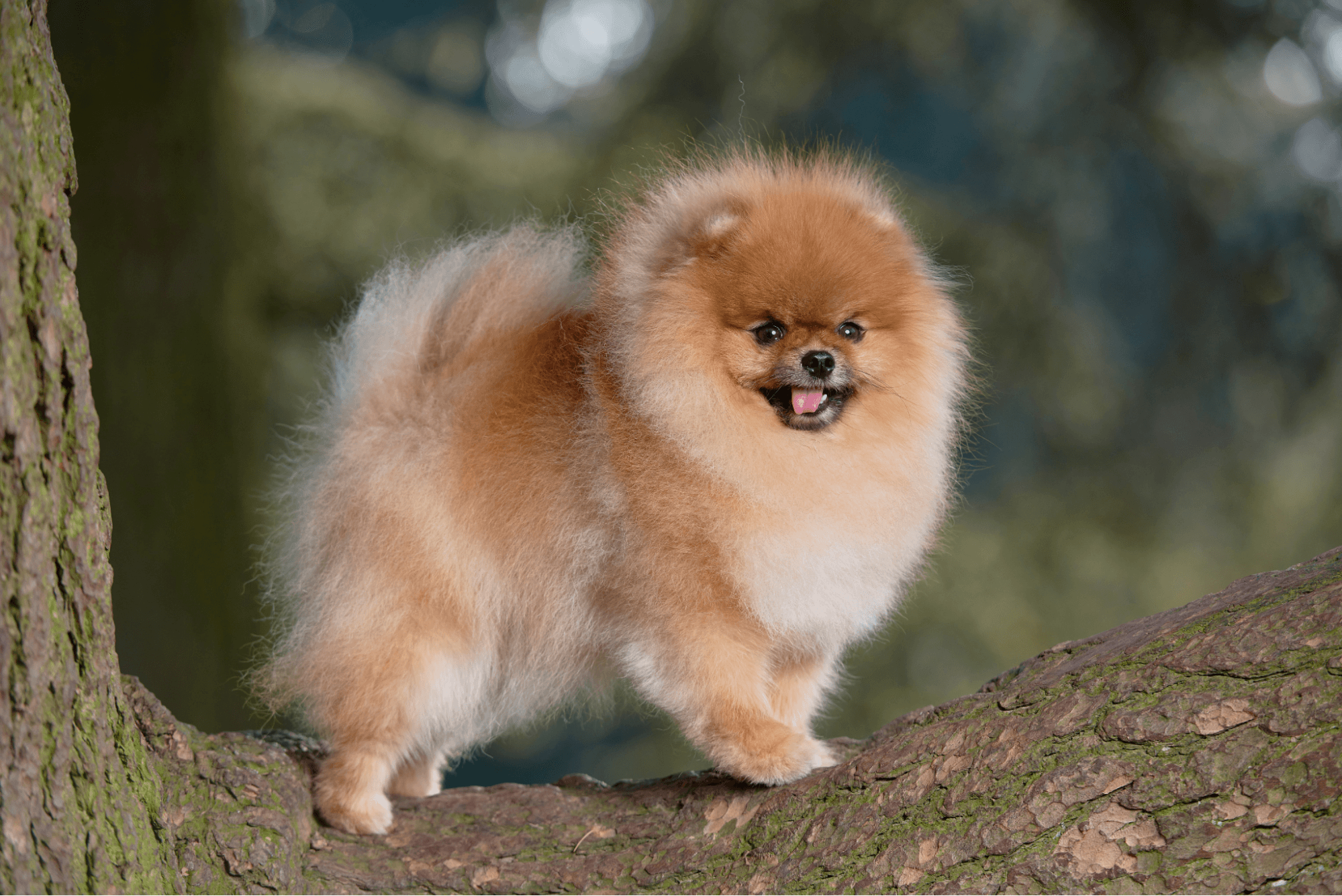
Dealing with a Pomeranian picky eater can be a frustrating experience for any pet parent. This guide will help you understand the common causes behind your Pom's fussy eating habits and provide actionable strategies to transform mealtime from a battle into a bonding experience. We'll cover everything from their unique nutritional needs to creating a more appealing dining environment.
You know the scene all too well. You place the food bowl down, only for your Pomeranian to give it a brief, judgmental sniff before turning and walking away. It can feel personal.
But that rejected bowl can tell you something important about your Pom’s world, a place where their tiny physiology, sharp intelligence, and surprisingly big personality influence every meal. At Tom&Sawyer, we’ve seen how these factors create some of the most selective eaters. This guide is here to help you decipher what those mealtime rejections might mean. We will explore solutions from simple behavioral adjustments to a foundational upgrade in their nutrition.
Before finding the right fix, we have to correctly pinpoint the problem. What are the real reasons behind your Pomeranian's selective palate?
Why Is My Pomeranian a Picky Eater? Unpacking the Causes
The answer isn't a single point. Your Pomeranian's selective palate can stem from a unique combination of learned habits, small-dog physiology, health status, and food appeal. It’s a multifaceted issue.
Pomeranians are sharp. They can quickly learn that refusing their own food might result in a delicious upgrade, turning mealtime into a negotiation. Their small stomachs mean they fill up quickly, making them naturally selective about what's worth the limited space. Additionally, dogs respond strongly to sensory cues such as aroma, flavor, texture, and temperature, all of which can influence whether a food feels appealing enough to eat. ¹ Some Poms develop preferences based on texture, freshness, temperature, or even the bowl's location. Their small size also means they may not need as much food as owners expect, which can lead to perceived pickiness when they're simply not hungry.
That said, sudden appetite loss should never be dismissed as “just picky.” If your Pom refuses food, seems tired, vomits, has diarrhea, loses weight, or shows dental pain, your veterinarian should be your first call. ²
The Ideal Pomeranian Diet: What They Should (and Shouldn't) Eat
At Tom&Sawyer, we believe that once health issues are ruled out, everything comes down to proper nutrition and routine. It really is the foundation of a happy pet. Pomeranians aren't just small dogs, after all. They are tiny companions with big energy. Their systems need a diet built around high-quality, digestible protein and healthy fats to fuel their spirited energy levels while supporting that iconic fluffy coat.
Consistent meal timing also matters for small dogs. Toy-breed puppies and very small dogs can be more vulnerable to low blood sugar when they are very young, stressed, sick, or not eating well. ³ A nutrient-dense meal plan, served consistently, helps support steady intake.
A Pom’s needs change over their life. What works for a growing puppy is very different from the ideal diet for a less active senior. A balanced puppy diet is essential during growth, supporting bone and skeletal development. That’s the core of life-stage nutrition in action.
Of course, what they don’t eat is just as important. A Pomeranian's tiny body makes it especially vulnerable to poisoning from many common human foods. You should never feed your Pom these items:
Chocolate
Grapes and raisins
Onions and garlic, even the powdered kind found in many seasonings
Xylitol, a sweetener found in some sugar-free products and certain peanut butters
Macadamia nuts
Alcohol or cooked bones
These are recognized food hazards for dogs and should be kept securely out of reach. ⁴
So what happens when you’ve prepared the perfect, balanced, and safe meal, only for your Pom to turn up their nose? It’s a common frustration. We know that understanding their nutritional requirements is only the first step; the real challenge is getting them to actually eat the food you've so carefully prepared.
3 Proven Strategies to Entice Your Pomeranian Picky Eater
What do you do if your Pomeranian simply refuses to eat? It’s a common and stressful frustration, but thankfully one you can often improve. We've found the key is moving from a passive observer to an active participant in your Pom’s mealtime. It can make all the difference. These three strategies can help turn that dinner-time standoff into a better routine.
1. Establish a Strict Feeding Schedule
Leaving food out all day, or free-feeding, allows your Pomeranian to graze. It teaches them that food is an ever-present, low-value resource they can ignore.
This has to stop.
A predictable routine helps your dog learn when to expect meals, which can support better eating habits. Remove the bowl after 15 minutes, whether it’s full or empty. This creates a clear window for eating. Many healthy adult dogs do well with two scheduled meals per day, while puppies or very small dogs may need more frequent meals depending on age, size, and veterinary guidance.
Do not use the 15-minute method for puppies, underweight dogs, diabetic dogs, medically fragile dogs, or dogs with sudden appetite loss unless your veterinarian approves.
2. Create a Calm Feeding Environment
Your Pomeranian's heightened senses make them aware of their surroundings during mealtime. Distractions can lead to disinterest.
A noisy, high-traffic area can overwhelm sensitive dogs, making them too anxious or distracted to eat. Move their bowl to a quiet corner away from household chaos. Keep other pets at a distance during feeding times because competition or intimidation from larger animals can suppress a Pom's appetite. Consider using a non-slip mat under their bowl to prevent sliding, which can startle them. The goal is to create a safe, predictable space where your Pomeranian can focus on their meal without stress or interruption.
3. Upgrade Their Food Quality
Sometimes the problem isn’t the dog.
It’s the food.
Dry kibble can be convenient, but some small dogs may find its aroma, texture, or low moisture less appealing. Palatability is a major factor for these little connoisseurs. At Tom&Sawyer, this is the very principle our meals are built on. Our human-grade ingredients are individually cooked to create real-food aroma, moisture, and texture without relying on artificial additives or mystery byproducts.
The gentle cooking process maintains moisture and tenderness that dry kibble can't match. When Pomeranians enjoy meals like our Italian Beef Pasta or Turkey Gobbler Feast, they're enjoying food designed with discerning palates and small-breed nutritional needs in mind.
Key Takeaways: Transforming Your Pomeranian's Mealtimes
To turn mealtimes around, you have to understand the root cause. We always suggest ruling out any health concerns with your veterinarian first. A crucial first step. Once you get the all-clear, you can focus on creating a positive and predictable experience for your Pom, and that strategy really hinges on two powerful changes: establishing a consistent feeding schedule and upgrading the food in their bowl.
No more free-feeding.
We developed our gently-cooked meals at Tom&Sawyer with this very challenge in mind. They were designed for selective palates. We packed them with rich aromas and appealing textures that can help make mealtime more inviting, while delivering human-grade nutrition in a format small dogs can enjoy. This isn't an overnight fix. But with patience and the right food, you can transform a daily struggle into a quieter, more confident routine.
Your dog will thank you for it.
Ready to end mealtime battles with your picky Pomeranian? Discover why small-breed owners trust our freshly-cooked meals. Shop our Pomeranian-perfect portions at Tom&Sawyer today. Because every dog deserves to love their food — especially your discerning little companion.
Resources
Watson PE. Drivers of Palatability for Cats and Dogs—What It Means for Pet Food Development. Animals. 2023. https://pmc.ncbi.nlm.nih.gov/articles/PMC10093350/
VCA Animal Hospitals. My Dog Won't Eat: Feeding Picky Eaters. https://vcahospitals.com/know-your-pet/feeding-canine-picky-eaters
Idowu O, Heading K. Hypoglycemia in dogs: Causes, management, and diagnosis. The Canadian Veterinary Journal. 2018. https://pmc.ncbi.nlm.nih.gov/articles/PMC5949948/
Merck Veterinary Manual. Food Hazards. https://www.merckvetmanual.com/special-pet-topics/poisoning/food-hazards