
Organ Meats for Dogs and Cats: A Nutrition Powerhouse
By Kelly Gredner, RVT, VTS (Nutrition) ·

Written by Kelly Gredner, RVT, VTS (Nutrition)
Organ meat for dogs and cats is one of the most nutrient-dense parts of a balanced diet, not something to avoid. It's often more concentrated in vitamins and minerals than the muscle meat most pet parents default to, which is exactly why dogs and cats have been eating it for about as long as they've been eating alongside us.
Animal proteins have a long history of being fed to dogs and cats. Back when they were seen primarily as working animals, those that protected humans from harm or hunted mice to protect the crops, they were fed meat and bones, horse meat, barley soaked in milk, potatoes, bran, etc. Essentially, they ate what the people ate and what was available!
In England 1860, the first commercially available dog food was created from a mix of wheat meals, vegetables, beetroot and beef blood⁵. Beef blood was a by-product of the local slaughterhouse and instead of it going to waste, it was being used to feed dogs, who had started to become more than "just" a working animal, but a beloved companion.
With the addition of vague ingredient names like poultry by-product meal, meat and bone meal, etc currently used in conventional pet foods, let's look at the main source of these processed ingredients: organs.
What Organ Meats Are Good for Dogs and Cats
Organ meats are good for dogs and cats because they're nutrition powerhouses. They're protein packed, nutrient rich, flavorful sources that can sometimes be seen as inferior to muscle meats, but that's not the case.
Besides providing crucial amino acids, organ meats also provide² , ³:
B vitamins (needed for cardiac function, digestion, etc)
Iron (bioavailable heme iron)
Vitamin D (essential for multiple bodily functions, along with teeth and bone health)
Vitamin B12 and folate (important for gut health)
Fat soluble vitamins D, E, A, K (as other vitamins are water soluble and removed through the urine, these are stored in fatty tissues for future usage and critical for vision health, immune system functions, etc)
Trace or microminerals like zinc, copper, selenium, etc (organ meats over muscle meats can provide higher levels of iron, copper, zinc, and manganese)
Please note: The liver is high in vitamin A so feeding a diet predominantly made of liver could potentially cause hypervitaminosis A.
This is why it's important to have a board certified veterinary nutritionist or a PhD animal nutritionist formulating recipes for our pets to ensure safety and accuracy for a complete and balanced diet.
The Best Organ Meats for Dogs and Cats
Among the best organ meats for dogs and cats are heart, liver, and kidney, which show up most often in complete diets, though several other cuts are just as valuable.
Organ meats add to the appeal of feeding our pets biologically appropriate proteins, or for those looking to feed a more "whole prey" style, as in the wild, dogs and cats would be eating, generally, the whole animal, and not just picking and choosing. Though, they do love the innards, especially the carnivorous cat!
What is normally included in the list of organ meats? The edible parts for pets are:
Heart
Liver
Kidney
Brain
Tripe (stomach lining)
Lungs
Gizzards (found in birds)
Organ Meats for Dogs Benefits
Organ meats offer dogs a dense, natural source of the vitamins and minerals that support everyday function, from muscle maintenance to a healthy immune system. Heart in particular is a good source of naturally occurring taurine and CoQ10, both of which support healthy cardiac muscle function.² Liver adds iron, vitamin B12, and vitamin A to help support energy metabolism, while the zinc and copper found across organ meats contribute to healthy skin and coat.
For active or working dogs especially, this level of nutrient density can make a meaningful difference, since their bodies are processing more energy and rebuilding more tissue day to day.
Organ Meats for Cats Benefits
As obligate carnivores, cats benefit from organ meats in ways that go beyond general nutrition. Cats need preformed vitamin A and taurine directly from animal tissue, since they can't efficiently convert plant-based precursors the way dogs and many other species can.² Liver and heart are naturally rich in both nutrients, making them especially valuable in a cat's diet.
Organ meats also support the arachidonic acid needs unique to cats, an essential fatty acid found in animal-derived fat that plays a role in skin health, reproduction, and a healthy inflammatory response.
Are Organ Meats By-Products
AAFCO (American Association of Feed Control Officials) defines byproducts as "secondary products produced in addition to the principal product."¹ But what does this mean?
It means that a by-product can be a product from a primary/original source, like the "leftovers," and there might be more than one by-product from the primary product.
For example, wheat bran is a by-product of flour milling. Eggs are considered a by-product of the chicken industry, but not considered "meat" as they are not a part of the animal itself. Being a by-product doesn't inherently mean it's unsafe to feed or that it's not a nutritionally viable option.
It may not be common practice in North America for people to eat organ meats from other animals. But our dogs and cats love organ meats! Through the eyes of a dog or cat, they are tasty, viable options. So can dogs eat chicken liver? Absolutely!
Why Organ Meats Should Be Cooked, Not Raw
Organ meats should always be cooked rather than fed raw, to avoid the risk of bacterial contamination for both pets and the people around them.
Here at Tom&Sawyer®, we understand the pet parent's desire to feed a fresher, whole foods approach, but we also acknowledge the risks of feeding raw meat. Raw organ meat can be contaminated with:
Listeria
Salmonella
Parasites
Other pathogens
These could not only harm your pet, but those in the family (children, elderly, immunocompromised).
We recommend that all meat be cooked to remove the risk of bacterial infections, while still preserving as many of the nutrients these mighty meats can offer.
Why Human Grade Sourcing Matters for Organ Meats
At Tom&Sawyer, we value the importance of Human Grade meat sources. This means that all of our animal products are sourced from facilities that are⁴:
Produced in a licensed, inspected human-food facility
Every ingredient is fit for human consumption
Has full lot-level traceability and labelling compliance
HACCP security for human food (not feed)
Cold chain verified
This improves transparency, visibility, safety, accuracy and lower risk of bacterial contamination.
We believe that organ meats deserve the same high standards as any other protein in our meals. We apply our Human Grade sourcing philosophy to our organ meats, ensuring they come from licensed, inspected human-food facilities.
Which Tom&Sawyer Recipes Include Organ Meats
If the feeding of organ meats is important to you, we have a few meals for dogs and one for cats that currently include organ meats in their nutritional profiles. And these are some of our top selling meals!
For dogs we have:
Italian Beef Pasta Dinner - Our Italian inspired meal includes beef liver to create its best selling flavor for over 10 years!
Turkey Gobbler Feast - A year round festive feast has both chicken liver and chicken heart which adds to its aroma and flavor.
Berry Beefy Breakfast Bowl - This breakfast style meal is for lunch and dinner, too, and contains beef liver.
And for our feline friends, we have 🍁 Chicken Cacciatore *, another Italian inspired dish that includes chicken liver and chicken heart.
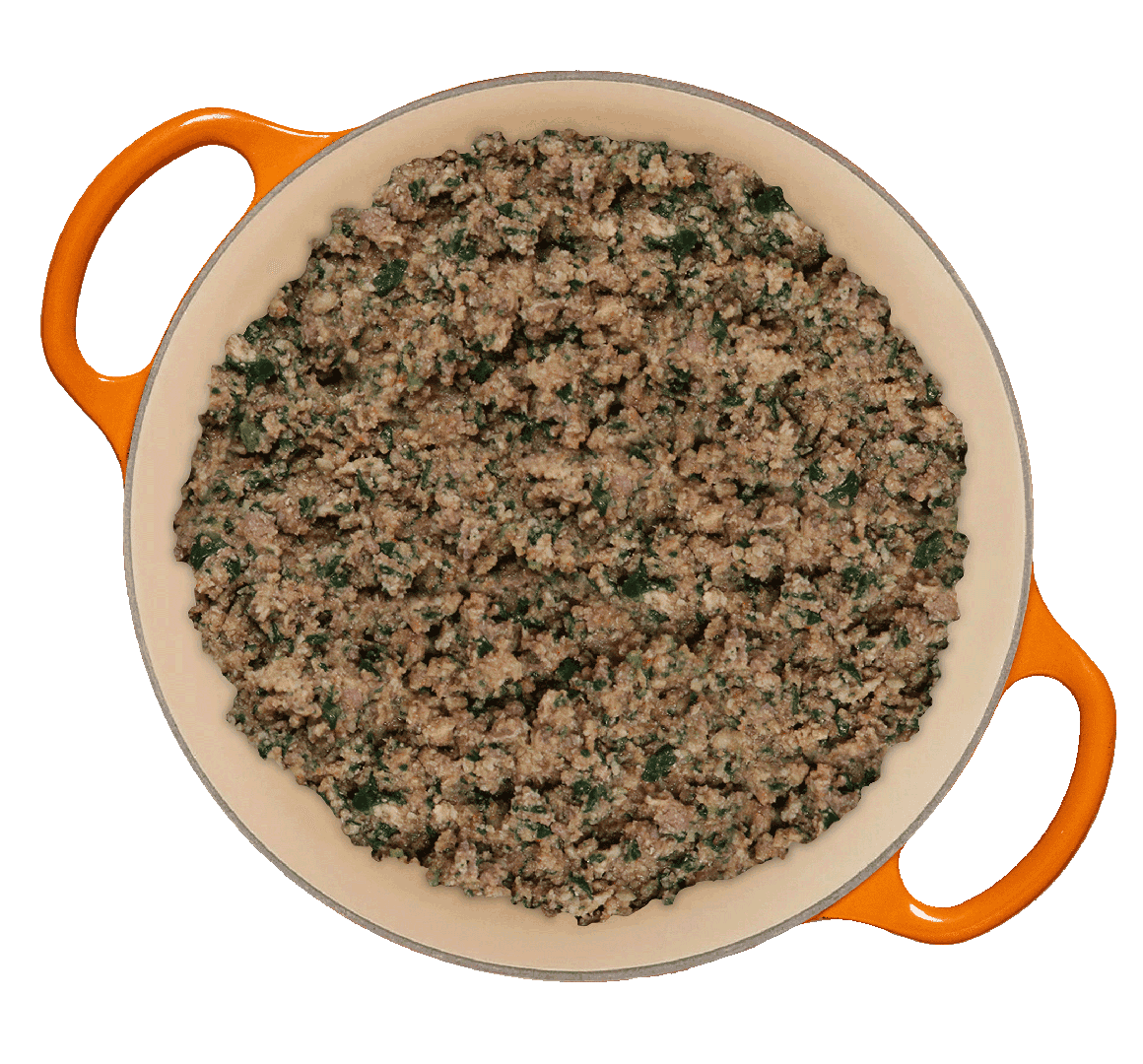
Because of their versatility, nutrient rich profiles, and taste, you might be seeing more of these ingredients in the future!
Ultimately, organ meats are important nutritional components to creating wholesome meals for our beloved furry friends. Whether you're just learning about it or already looking for it on the label, organ meat for dogs and cats is here to stay, and for good reason.
* currently available in Canada only
References:
American Association of Feed Control Officials, A. (n.d.). Byproducts. Understanding Pet Food. https://www.aafco.org/consumers/understanding-pet-food/byproducts/
Linda P. Case, MS, Leighann Daristotle, DVM, PhD, Michael G. Hayek, PhD and Melody Foess Raasch, DVM. Canine and Feline Nutrition - A Resource for Companion Animal Professionals , 3rd Edition. 2011. https://doi.org/10.1016/C2009-0-39175-8
Van Winkle, S. (2023, October 8). The benefits of organ meat for dogs: A nutritional deep dive. Vetericyn. https://vetericyn.com/blogs/vetericyn/organ-meat-for-dogs
Zakarow, P. A. (n.d.). Manufacturers — fresh pet food alliance. Fresh Pet Food Alliance. https://www.fpfa.pet/manufacturers
The History of Pet Food. Pet Food Institute. (n.d.). https://www.petfoodinstitute.org/the-history-of-pet-food/