
How Much to Feed a Havanese: Fresh Dog Food Portions for a Fussy 11 lb Eater
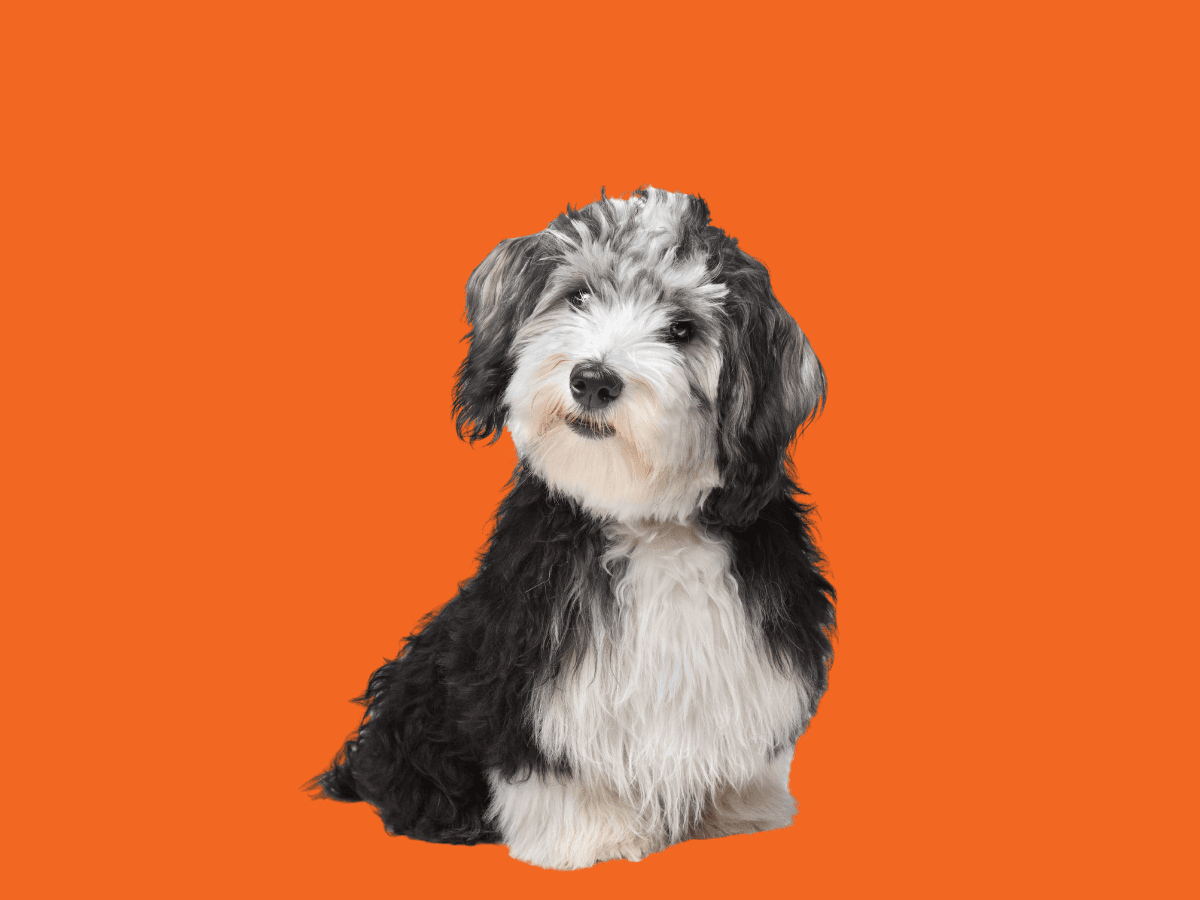
How much to feed a Havanese depends on their weight, but a neutered 11 lb adult needs about 375 calories a day. In fresh food, that's roughly three-quarters of a 454 g pack of our Fisherman's Best Friend Supper, split into two meals. The chart below covers the breed's 7 to 13 lb range. For the full breed profile, see our Havanese dog food guide.
How many calories does a Havanese need each day?
A neutered adult Havanese of 7 to 13 lbs needs about 265 to 425 calories each day. Veterinarians estimate this from the resting energy requirement (70 × body weight in kg to the power of 0.75), multiplied by 1.6 for a neutered adult or 1.8 for an intact adult1.
The result is a starting point, and the Merck Veterinary Manual says so directly1. A meta-analysis of 29 studies found that energy needs vary with neuter status and lifestyle, and that body weight alone may not predict them accurately2. That's why the best measure of the right portion is your Havanese's body condition over the following weeks.
What does a Havanese feeding chart look like with fresh food?
A Havanese feeding chart with fresh food shows the daily calories for your dog's weight and how much of each pack that adds up to. Here are the starting estimates for neutered adults, using three meals our breed page features for Havanese.
Adult weight (neutered) | Calories per day | Fisherman's Best Friend Supper (504 kcal/pack) | Italian Beef Pasta Dinner (624 kcal/pack) | Thai Coconut Chicken & Rice (473 kcal/pack) |
7 lb (3.2 kg) | ~265 kcal | ~0.53 pack | ~0.43 pack | ~0.56 pack |
9 lb (4.1 kg) | ~320 kcal | ~0.64 pack | ~0.52 pack | ~0.68 pack |
11 lb (5.0 kg) | ~375 kcal | ~0.74 pack | ~0.60 pack | ~0.79 pack |
13 lb (5.9 kg) | ~425 kcal | ~0.84 pack | ~0.68 pack | ~0.90 pack |
Intact adults need a little more, and puppies, seniors and very active dogs differ again. To skip the math, answer a few questions about your pup, and we'll portion the Meal Plan to your Havanese's weight, age and activity.
How often should you feed a Havanese?
The answer to how often to feed a Havanese is two meals a day for most adults, one in the morning and one in the evening. Our breed page recommends this split because it keeps energy steady and makes small portions easier to manage.
For an 11 lb Havanese eating Fisherman's Best Friend Supper, that means about three-eighths of a pack per meal. A kitchen scale makes this easy: weigh the day's portion once, then divide it in two. Puppies usually eat more often, so ask your vet for a puppy schedule.
Why is my Havanese a picky eater?
A Havanese picky eater is often a dog that has learned better food might arrive if they wait, but appetite changes can also have a medical cause. Our breed profile lists picky eating, a sensitive stomach and itchy paws and skin as the Havanese's common health risks.
Check with your vet first if your Havanese:
- Stops eating for more than a day, because a small dog has little reserve to draw on.
- Loses weight over a few weeks, since a shrinking dog with a fussy appetite may be unwell rather than choosy.
- Has vomiting or diarrhea, which points to a stomach problem rather than taste.
- Eats slowly or drops food, which can be a sign of mouth or tooth discomfort.
How can you help a Havanese that won't finish their meal?
You can help a Havanese that won't finish their meal by making mealtimes predictable and the bowl worth eating. These habits work best once your vet has ruled out a medical reason.
- Keep to two set mealtimes, so your dog comes to the bowl hungry.
- Take the bowl up after about 20 minutes, and offer the next meal at the usual time.
- Hold back on treats and table scraps, because a small dog fills up fast and then skips dinner.
- Serve fresh meals at room temperature, taking the portion out of the fridge a little before you serve.
- Change foods gradually, mixing the new meal in about a week.
What is the best Havanese diet for a fussy eater?
The best Havanese diet for a fussy eater is a complete and balanced meal with a flavour your dog enjoys, fed in a measured daily portion. Our breed page features three recipes for Havanese.
- Fisherman's Best Friend Supper pairs wild Alaskan pollock with butternut squash, brown and white rice and cranberries. It's a low fat recipe (25 g fat per 1,000 kcal or less) with no chicken, beef or pork.
- Italian Beef Pasta Dinner is our #1 bestseller for over 10 years: lean ground beef, tomato purée and pasta in a bolognese-style bowl, at 624 kcal per pack.
- Thai Coconut Chicken & Rice Recipe is a low fat meal of chicken breast, white rice, carrots and spinach, at 473 kcal per pack.
Rotating two of these meals gives a fussy Havanese some variety while the daily calories stay the same.
How do fresh, gently-cooked meals make Havanese portions simple?
Fresh, gently-cooked meals make Havanese portions simple because every pack has a known calorie count and every recipe is a complete and balanced diet. Our meals are made with 100% human grade ingredients in a human grade inspected facility, gently-cooked to a safe internal temperature without cooking out nutrients.
Animal nutritionists formulate and lab test each recipe to AAFCO nutrient profiles. A Full Plan is your Havanese's complete diet, portioned to the gram for their calorie needs. A Partial Plan mixes our meals with their current food at a smaller daily portion. You can cancel anytime, and each order comes with our 14 day satisfaction guarantee.
Ready to work out how much to feed a Havanese?
Working out how much to feed a Havanese starts with their weight, then gets fine-tuned by watching their shape and energy. Weigh your dog, check the chart, and adjust with your vet if they gain or lose.
Build your pup's Meal Plan with our meal quiz. Tell us about your Havanese, and we'll recommend meals and portion them to the gram for their daily calorie needs.
Please consult your veterinarian before making changes to your pet's diet, especially if your pet has a medical condition.
Resources
- Sanderson, S. L. (2024). Nutritional Requirements of Small Animals. Merck Veterinary Manual. https://www.merckvetmanual.com/management-and-nutrition/nutrition-small-animals/nutritional-requirements-of-small-animals
- Bermingham, E. N., Thomas, D. G., Cave, N. J., Morris, P. J., Butterwick, R. F., & German, A. J. (2014). Energy requirements of adult dogs: a meta-analysis. PLoS ONE, 9(10), e109681. https://www.ncbi.nlm.nih.gov/pmc/articles/PMC4196927/