
How Fresh Food Supports Cat Urinary Tract Health and Proper Hydration
By Kelly Gredner, RVT, VTS (Nutrition) · · Updated
A common medical condition we see in cats falls under the umbrella term of FLUTD, or Feline Lower Urinary Tract Disease. This disease consists of issues such as urinary stones (uroliths), urinary crystals (crystalluria), and cystitis (inflammation of the bladder).
These can be painful conditions with various costs for treatments and relief. It's stressful for all involved, as vet visits can exacerbate the conditions (for example, cystitis can be stress-induced), and the ongoing costs can add up.
The cornerstone of treatment for any urinary condition is diet. And most importantly, MOISTURE—diluting the urine to flush irritants like bacteria, blood, and crystals out of the body, helping make urination more comfortable for your cat.
An effective proactive solution to help prevent such disorders is feeding a high-moisture diet.
Understanding FLUTD in Cats
FLUTD encompasses several urinary tract conditions that can significantly impact your feline fur-iend's quality of life.
Urinary stones and crystals form when minerals in concentrated urine crystallize, potentially blocking the urinary tract. Cystitis causes painful bladder inflammation that can make your kitty reluctant to use the litter box.
What makes these conditions particularly challenging is that they can be recurring. Many cats experience multiple episodes throughout their lives, making prevention through diet absolutely essential.
The good news? Proper hydration through high-moisture meals can help reduce the risk of these painful conditions before they start.
The Biology Behind Cat Hydration
Cats are descendants of desert cats—ancestors with a low thirst drive and the incredible ability to maintain hydration even in harsh environments, where visiting the local watering hole was a high-risk activity.
Thus, their diet is important to helping with this maintenance, as much of their water intake comes from their food. For example, the total body water of a mouse is approximately 15ml, and on average, a 10-pound cat should drink about 1 cup (250ml) of water per day.
If eating a high-moisture diet that contains 75% or more water, like canned, pouched, or fresh foods, you might notice they drink less water. If they eat predominantly dry/extruded kibble with a moisture content of less than 20%, then you may notice they drink more water to compensate.
Another aspect of their fascinating biology is that they have the ability to concentrate their urine, pulling in the water they need to maintain hydration. This is normal for the species.
However, concentrated urine over time, with the addition of infrequent urination, can potentially lead to urinary tract concerns.
Signs of Dehydration vs Good Hydration
Recognizing your cat's hydration status is important for catching potential problems early.
Signs of dehydration include:
- Weakness
- Lethargy
- Turgid skin (loss of elasticity)
- Dry gums
These are signs of disease or illness that require treatment. Treatment will depend on the underlying disease or cause of dehydration and must be discussed with your veterinarian. They know your pet's medical history best.
Alternatively, signs of good hydration are:
- Moist gums
- Good energy
- Bright eyes
- Healthy skin elasticity (if you make a "tent" in their skin, it snaps back quickly)
Fun fact: With senior cats, they can have good hydration with a natural loss of skin elasticity due to aging, so they can have a prolonged skin tent while being well hydrated. It's best to discuss any hydration or water intake concerns with your veterinarian.
How Moisture Prevents Urinary Issues
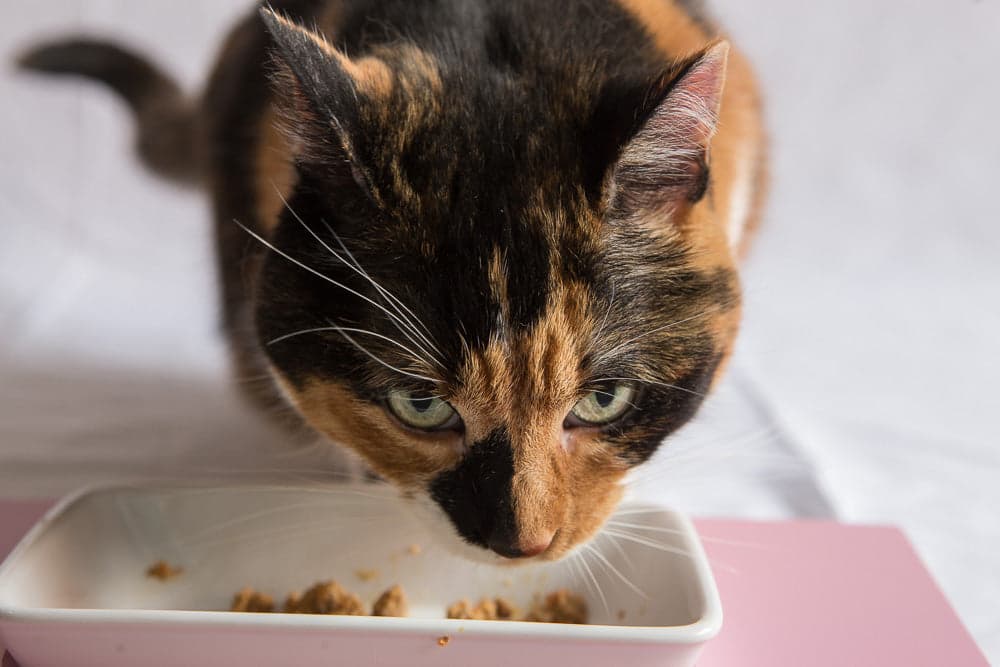
When cats consume adequate moisture, their urine becomes more dilute. This dilution serves several critical functions for urinary tract health.
Dilute urine helps flush out bacteria, blood cells, and microscopic crystals before they can accumulate and cause problems. Think of it like a natural cleaning system—the more water flowing through, the less opportunity for buildup.
High-moisture diets also encourage more frequent urination. While this might mean more litter box maintenance, it's actually a good thing. Regular urination prevents urine from sitting in the bladder where crystals and stones are more likely to form.
Research on fresh pet food shows that it can improve hydration and total water intake compared to dry kibble alone. This is because the moisture in fresh food is more bioavailable and naturally integrated into the meal.
The difference between a kibble diet (less than 20% moisture) and a fresh diet (75% or more moisture) is substantial.
How Tom&Sawyer® Meals Support Urinary Health
A high-moisture diet is proactive action to ensure adequate hydration in our feline friends.
Because of the nature of fresh foods, the moisture is mostly retained from the ingredients. All of our Tom&Sawyer® cat meals are greater than 75% moisture, so we are already off to a great start.
Based on research in our other furry family friend, the dog, fresh pet food can improve hydration, total water intake, and therefore help in supporting urinary health.
By switching to Tom&Sawyer® Gently-Cooked meals, you are actively supporting:
- Kidney Health: Important for senior cats who may have reduced kidney function, improving their overall hydration status
- Urinary Tract Health: Diluting the urine through hydration to support normal urinary function
- Weight Management: High protein and moisture keep cats satiated for longer periods of time
In addition to their high moisture content, our meals are formulated with high protein, which also contributes to the palatability of your cat's food. Cats are more motivated to eat meals they find delicious, ensuring they receive all the hydration benefits fresh food provides.
Making the Switch to Fresh Food
Whether you're "fresh curious" or ready to make the switch from conventional cat meals, Tom&Sawyer® has the recipes for you and feline friend!
Bento Box is a high-protein, lower-carbohydrate meal paws-itively purr-fect for healthy, energetic adult cats. This one is formulated for all life stages, so your kitten can thrive on this, too.
Wild West Kangaroo provides a novel protein source in a highly digestible meal for felines with sensitivities who need gentle nutrition.
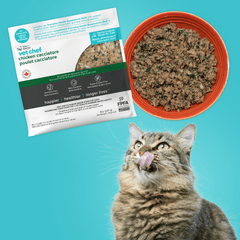
Chicken Cacciatore is our reduced-calorie meal that can help with those felines prone to weight gain or for healthy seniors who need fewer calories without sacrificing nutrition.
If you are ready to take the plunge, get your cat's meals with 40% off your first recurring order+. These can help you get started with smaller portions to discover which recipes your kitty loves most.
Proactive Urinary Health With Tom&Sawyer®
Urinary tract health doesn't have to be complicated. While FLUTD conditions can be painful and stressful, the solution often starts with something simple: proper hydration through high-moisture meals.
At Tom&Sawyer®, every meal is prepared in a federally inspected Human Grade facility with restaurant-quality ingredients. Our Gently-Cooked preparation method preserves both nutrients and natural moisture, ensuring your feline fur-iend receives optimal hydration with every bite.
We use 100% Human Grade ingredients—only whole food and recognizable components you'd find in your own kitchen. Our meals are Non-GMO and antibiotic-free, supporting your cat's long-term wellness from the inside out.
Switching to Tom&Sawyer® means giving your cat more than just a meal. It's a proactive approach to urinary tract health, kidney function, and overall hydration that supports happier, healthier, longer lives™.
Join Sawyer's Pack today and discover how high-moisture, Gently-Cooked nutrition can help protect your beloved kitty from painful urinary conditions while providing the delicious, satisfying meals they deserve.
PLEASE NOTE: If your cat is currently being treated for a urinary tract ailment, please do not switch your cat's diet without speaking first with your veterinarian!
Resources:
- D.Dittmer (ed.), Blood and Other Body Fluids, Federation of American Societies for Experimental Biology, Washington DC, 1961
- Cornell Feline Health Center: Hydration
- Sires Rae, Yamka Ryan, Wakshlag Joe. Feeding fresh food and providing water ad libitum is clinically proven to exceed calculated daily water requirements and impact urine relative supersaturation in dogs. Frontiers in Veterinary Science. Volume 12 - 2025. https://www.frontiersin.org/journals/veterinary-science/articles/10.3389/fvets.2021675990
- Bellows J, Center S, Daristotle L, et al. Aging in cats: Common physical and functional changes: Common physical and functional changes. Journal of Feline Medicine and Surgery. 2016;18(7):533-550. doi:10.1177/1098612X16649523