
Bichon Frise Dog Food for Tear Stains and Itchy Skin: Chicken-Free Meals to Try First
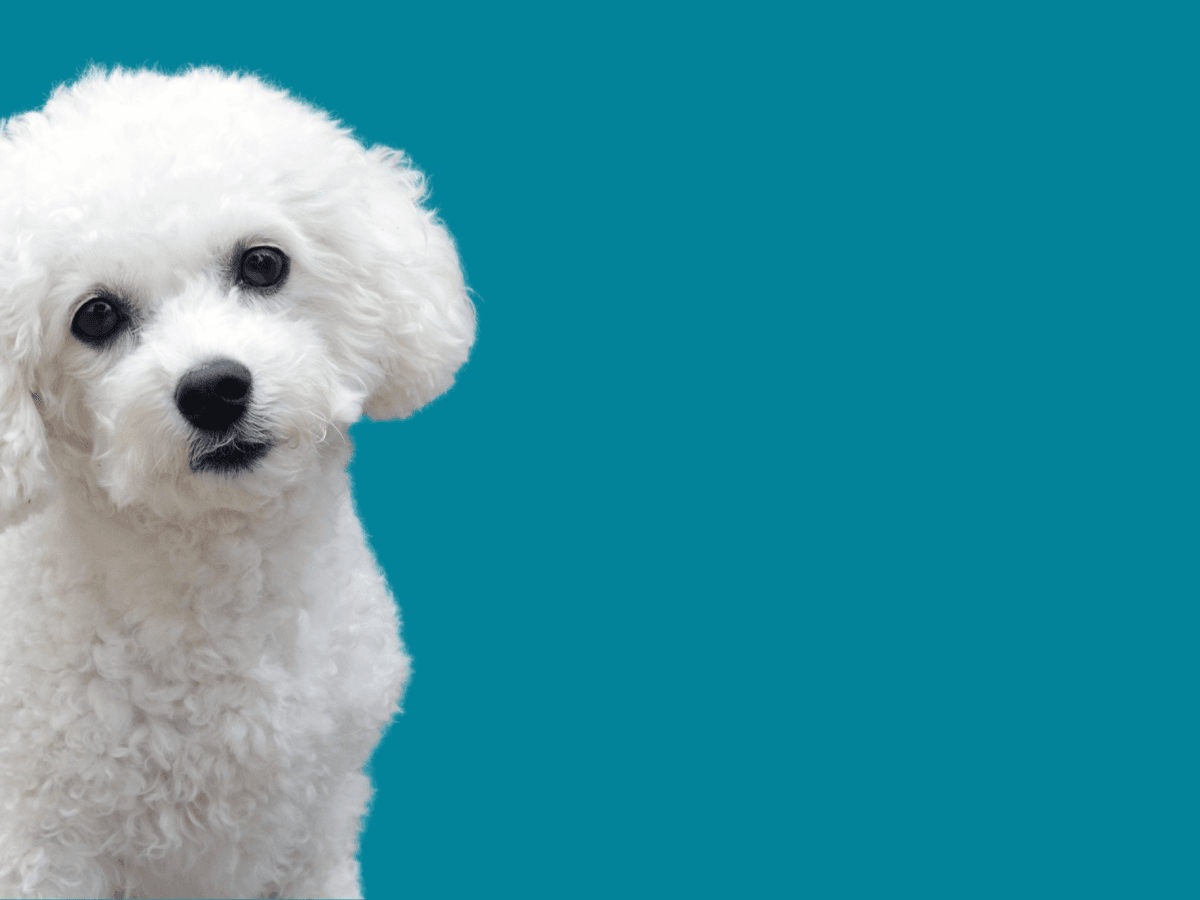
The right food for Bichon Frise tear stains is a complete, chicken-free meal fed for at least 8 weeks, but only when an allergy is part of the cause. Tear stains come from a pigment in tears, so food helps when it calms the itch and irritation that make the eyes water. Our Bichon Frise dog food guide lists chicken allergy and itchy skin among the breed's common risks.
What causes tear stains on a Bichon Frise?
Tear stains on a Bichon Frise are caused by porphyrin, a pigment in tears that turns white fur red-brown when tears spill onto the face1. A light coat like the Bichon's simply shows the colour more than a dark one does.
The real question is why the tears overflow. Veterinarians group the reasons into a few causes1:
- Irritation from allergens, such as pollen or dust, which makes the eyes produce more tears.
- A blocked tear duct, from debris, inflammation or infection, so tears spill over instead of draining.
- Eye and face shape, including shallow eye sockets in breeds with prominent eyes.
- Genetics, since some breeds have watery eyes even without disease.
Can food stop Bichon Frise tear stains?
Food can reduce Bichon Frise tear stains only when a food reaction is part of what makes the eyes water. When the cause is a blocked duct, eyelid shape or genetics, a diet change won't stop the tears, and the eyes need a veterinary exam first1.
That's why we suggest a vet check before you switch foods. A vet can confirm the tear ducts drain, check for infection, and decide whether an allergy is likely. If the tear stains arrive with itchy paws, ear trouble or a red belly, a food trial is worth discussing.
How do Bichon Frise food allergies show up?
Bichon Frise food allergies usually show up on the skin as itching, licked paws, red skin and repeat ear problems. Tear staining can come with that picture when the face is irritated too.
A review of the evidence on food allergies in dogs found that beef, dairy, chicken and wheat are the food allergens most often behind skin reactions2. Our breed profile for the Bichon lists itchy paws and skin, chicken allergy and a sensitive stomach as common health risks, which is why we start with chicken-free meals.
How long should a food trial last for Bichon Frise allergies?
A food trial for Bichon Frise allergies should last at least 8 weeks. A review of elimination diet studies found that more than 80% of dogs with food-related skin reactions improved by 5 weeks, and more than 90% had fully improved by 8 weeks3.
During those 8 weeks, the trial food is the only food. Here is how a vet-guided trial usually runs:
- Pick one protein your dog hasn't eaten before, so the immune system has nothing familiar to react to.
- Cut out everything else, including treats, chews, table scraps and flavoured supplements or medications (under direction from your vet), because one stray ingredient can undo weeks of progress.
- Track the signs weekly, with notes or photos of the eyes, paws and skin.
- Reintroduce one old food at the end, if your vet asks you to, to see whether the signs come back.
To make that easier, take the meal quiz and tell us about your Bichon's sensitivities. We'll recommend meals that leave out the ingredients you need to avoid.
What is the best food for a Bichon Frise with itchy skin?
The best food for a Bichon Frise with itchy skin is a complete and balanced meal built around a protein your dog tolerates, with no chicken if chicken is a suspect. Two of our meals are made without chicken and carry our Skin & Coat and Allergy-Friendly tags.
Meal | Main protein | Leaves out | Calories |
Fisherman's Best Friend Supper | Wild Alaskan pollock | Chicken, beef, pork, eggs, dairy, gluten | 504 kcal per pack |
Kangaroo | Wild kangaroo (sole animal protein) | Chicken, beef, pork, fish, eggs, dairy, gluten, grains | 435 kcal per pack |
- Fisherman's Best Friend Supper pairs Alaskan pollock with butternut squash, brown and white rice and cranberries. It's a low fat recipe and a good first choice for a Bichon that has eaten mostly chicken and beef.
- Kangaroo* keeps the ingredient list short: kangaroo, sweet potato and peas, with no grains. It suits a Bichon that needs a protein they're unlikely to have eaten before.
Our breed page also features Turkey Gobbler Feast. It's a tasty, grain-free meal, but it contains chicken liver, so it isn't the pick for a chicken-free trial.
How can chicken-free dog food for a Bichon support healthy skin?
A chicken-free dog food for a Bichon supports healthy skin by removing a common trigger while still giving complete and balanced nutrition. Every Tom&Sawyer meal is made with 100% human grade ingredients, real and recognizable, in a human grade inspected facility.
Each recipe is gently-cooked to a safe internal temperature without cooking out nutrients, and no more than 3% of each recipe comes from added vitamins and minerals. Animal nutritionists formulate and lab test each meal to AAFCO nutrient profiles, so a Bichon on a single-recipe trial still gets a full diet.
Our Meal Plan keeps the trial simple. A Full Plan makes our meal your Bichon's complete diet, portioned to the gram for their calorie needs, which is what an elimination trial needs. A Partial Plan mixes our meals with their current food once the trial is over. You can cancel anytime, and each order comes with our 14 day satisfaction guarantee.
How do I care for Bichon Frise tear stains while the food trial runs?
You can care for Bichon Frise tear stains during the food trial by keeping the face clean and dry and leaving the eyes to your vet. Stained fur doesn't change colour back overnight, so judge the trial by new staining, not by the old patches.
- Wipe the face daily with a soft, damp cloth, so tears don't sit on the fur.
- Keep the hair around the eyes trimmed by your groomer, so it doesn't poke the eye and add irritation.
- Ask your vet before using any tear-stain product, and keep cleaners away from the eye itself.
Ready to find food for Bichon Frise tear stains?
Food for Bichon Frise tear stains works best as part of a plan: a vet check, a chicken-free meal your dog enjoys, and 8 steady weeks. If your Bichon's eyes and skin are telling you something, the bowl is a good place to start.
Build your pup's Meal Plan with our meal quiz. Tell us about your Bichon, and we'll match them with chicken-free meals portioned to their weight.
Please consult your veterinarian before making changes to your pet's diet, especially if your pet has a medical condition.
* Currently available in Canada only
Resources
- Boldan, M. (n.d.). Epiphora in Dogs: Causes and Treatment. PetMD. https://www.petmd.com/dog/conditions/eyes/watery-eyes-epiphora-dogs
- Mueller, R. S., Olivry, T., & Prélaud, P. (2016). Critically appraised topic on adverse food reactions of companion animals (2): common food allergen sources in dogs and cats. BMC Veterinary Research, 12, 9. https://bmcvetres.biomedcentral.com/articles/10.1186/s12917-016-0633-8
- Olivry, T., Mueller, R. S., & Prélaud, P. (2015). Critically appraised topic on adverse food reactions of companion animals (1): duration of elimination diets. BMC Veterinary Research, 11, 225. https://pmc.ncbi.nlm.nih.gov/articles/PMC4551374/