
Nutrition for Lethargic Cats: How Food Supports Energy and Everyday Vitality
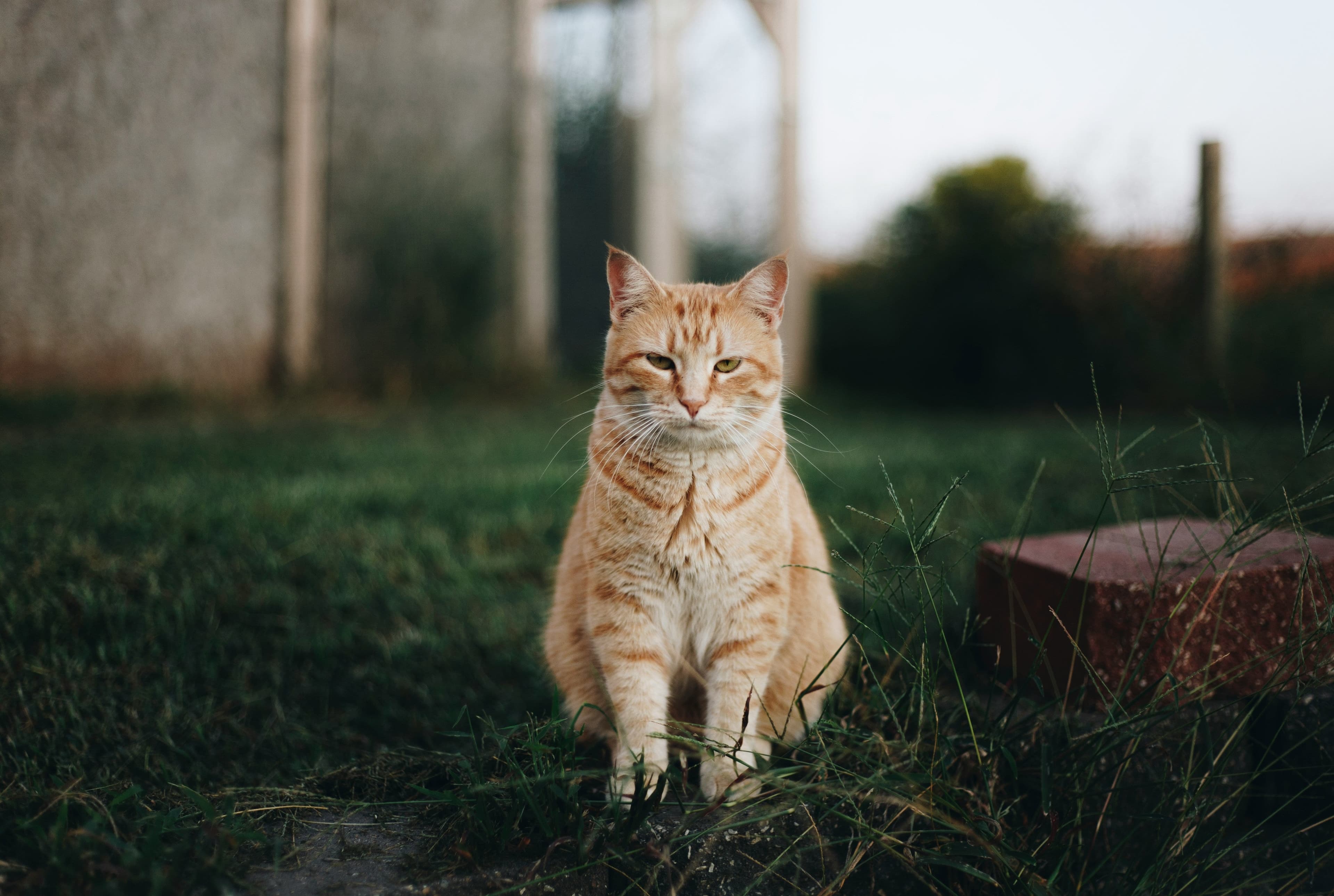
If your usually curious kitty is suddenly sleeping more, playing less, or showing little interest in their normal routine, good cat nutrition for energy can support everyday vitality, but food isn't a treatment for unexplained lethargy. Cats need enough calories, high-quality protein, essential amino acids, fats, vitamins, minerals, and water to function normally.¹ ²
A tired cat may simply have eaten less than usual, but lethargy can also accompany dehydration, pain, anemia, infection, or underlying disease.³ ⁴ That's why our first question shouldn't be, "Which food gives cats more energy?" It should be, "Why has my cat's energy changed?"
That said, a cat who seems low-energy may not always be medically lethargic. Sometimes boredom or lack of enrichment can make a healthy cat seem less active or interested in play. Providing opportunities for climbing, hunting-style play, puzzle feeders, scratching, and regular interaction can support both mental and physical wellbeing alongside good nutrition.
If you're still trying to distinguish an extra-long nap from something more concerning, start with our guide to the causes and signs of lethargy in cats.
Once medical concerns have been considered, here's how nutrition supports the energy your cat needs for normal, everyday feline life.
Can Nutrition Help a Lethargic Cat?
Nutrition helps cats maintain normal energy by supplying calories and essential nutrients, but changing food won't resolve lethargy caused by an underlying medical problem.
Cats are obligate carnivores with nutritional requirements that differ significantly from those of dogs and humans. They require appropriate amounts of protein and fat along with specific nutrients such as taurine, arginine, preformed vitamin A, arachidonic acid, vitamins, and minerals.¹ ²
A nutritionally complete diet provides these nutrients in the right proportions.
The key word is support. Good food gives your cat the nutritional foundation needed for normal metabolism, muscle maintenance, and daily activity. It doesn't work like an energy drink, and a tired cat shouldn't simply be given extra calories or supplements without understanding why their behaviour changed.
When Is Cat Lethargy More Than a Nutrition Question?
A noticeable or persistent decline in energy deserves attention because lethargy is a symptom, not a diagnosis. Nutrition is only one part of the bigger picture.
Changes in activity can accompany pain, dehydration, anemia, gastrointestinal illness, kidney disease, diabetes, and other conditions.³ ⁴ ⁵ Even older cats shouldn't automatically be assumed to be slowing down simply because of age. Pain and health problems can cause subtle behavioural changes.⁶
Watch for lethargy alongside:
- Loss of appetite or refusing food
- Vomiting or diarrhea
- Weight loss
- Weakness or difficulty walking
- Pale or yellow gums
- Changes in drinking or urination
- Hiding more than usual
- Breathing changes
- Signs of pain
- A sudden change from normal behaviour
Cats that stop eating need particular attention. Cornell's Feline Health Center warns that sustained appetite loss can seriously affect an adult cat in as little as 24 hours.⁷
If your cat is genuinely lethargic rather than simply having a quiet day, contact your veterinarian. Choosing a new meal should come after, not instead of, considering why the change happened.
What Nutrients Support Everyday Energy in Cats?
Cat food for energy should provide complete nutrition rather than relying on one supposedly energizing ingredient. Protein, fat, calories, essential amino acids, vitamins, minerals, and water all contribute to normal body function.
Protein and Essential Amino Acids
Protein is fundamental to feline nutrition.
Cats have higher dietary protein requirements than dogs and use amino acids for numerous metabolic functions. Adult cats require sufficient dietary protein, while feline diets must also account for specific amino acids such as taurine and arginine.²
Taurine is particularly important because cats can't produce enough to meet their needs. Deficiency can contribute to serious problems including dilated cardiomyopathy and retinal degeneration.²
This doesn't mean that feeding as much protein as possible will make a tired cat more energetic. It means cats need a properly formulated diet that supplies adequate high-quality protein and essential amino acids as part of complete nutrition.
Dietary Fat and Calories
Food also needs to provide enough energy, or calories, for your cat's individual requirements.
Dietary fat is an energy-dense nutrient and supplies essential fatty acids. Cats have specific fatty acid requirements, including arachidonic acid, that need to be considered in feline food formulation.¹ ²
At the same time, more calories aren't automatically better.
A cat's energy requirements depend on factors such as age, body weight, body condition, activity, reproductive status, and health. Feeding beyond those needs can lead to unwanted weight gain rather than a livelier cat.
That's why we look for an appropriate amount of food rather than trying to "boost" energy by adding calorie-dense extras.
Vitamins and Minerals
Cats require a carefully balanced range of vitamins and minerals.
These micronutrients participate in normal metabolism throughout the body, but supplementation isn't automatically helpful. Cornell notes that adding vitamin or mineral supplements is generally unnecessary when a cat already eats a complete and balanced diet, and excessive supplementation can be harmful.¹
For most healthy cats, the better strategy is a properly formulated meal rather than creating a homemade collection of "energy-boosting" supplements.
Does Hydration Affect a Cat's Energy?
Yes, adequate hydration supports normal body function, and dehydration can be associated with lethargy, weakness, and reduced appetite.⁵
Cats can obtain water both by drinking and through food. Moist foods naturally contribute more dietary water than dry foods. Cornell notes that wet food may contain up to around 80% water, so cats eating wetter diets may drink less from their water bowl.⁵
Dehydration, however, can also be a consequence of illness. Vomiting, diarrhea, kidney disease, diabetes, and other health problems can increase fluid loss.⁵
So, if a cat is lethargic and appears dehydrated, simply switching to wetter food isn't enough. Your veterinarian may need to identify why fluid balance has changed.
For everyday feeding, provide clean, fresh water alongside an appropriately formulated diet.
What Is the Best Food for Lethargic Cats?
The best food for lethargic cats isn't a special high-energy recipe. If a veterinarian has ruled out or is managing an underlying medical problem, focus on a food that is complete and balanced, appropriate for your cat's life stage, palatable enough to encourage normal eating, and portioned for their actual energy needs.
When comparing foods, consider:
What to Check | Why It Matters |
|---|---|
Complete and balanced statement | Helps confirm the food is formulated to supply required nutrients |
Feline-specific formulation | Cats have nutritional needs that dog food can't reliably meet |
Protein and amino acids | Support muscle and normal metabolic functions |
Appropriate calories | Too little may not meet needs, while too much promotes weight gain |
Moisture | Food can contribute to daily water intake |
Palatability | A nutritionally excellent meal isn't helpful if your cat consistently refuses it |
Life stage | Nutrient requirements differ between growth, adulthood, and reproduction |
In the U.S., foods labelled complete and balanced must meet an applicable AAFCO nutrient profile or satisfy appropriate AAFCO feeding-trial procedures.⁸
This makes nutritional adequacy a more useful starting point than claims about a food providing "more energy."
What Does Cat Lethargy Nutrition Look Like at Mealtime?
For a healthy cat whose veterinarian isn't concerned about an underlying condition, cat lethargy nutrition is really good everyday feline nutrition: enough food, the right nutrient balance, reliable hydration, and consistent eating.
A practical routine includes:
- Feed a complete and balanced feline diet.
- Portion food according to your cat's individual needs.
- Keep fresh water readily accessible.
- Monitor appetite rather than assuming uneaten food is normal.
- Pay attention to changes in weight and body condition.
- Keep feeding areas calm and clean.
- Avoid unnecessary vitamin and mineral supplements.
- Make dietary changes gradually when possible.
Cats can also be particular about their eating environment. Noise, other animals, dirty bowls, or a litter box positioned too close to the feeding area can discourage eating.¹
If your cat is interested in food but suddenly refuses a familiar meal, or consistently consumes much less than usual, that's useful information to share with your veterinarian.
Should You Choose Fresh or Gently-Cooked Food for a Tired Cat?
Food format matters less than nutritional adequacy and what works for the individual cat. Dry, canned, and fresh cooked foods can differ considerably in moisture, texture, processing, and palatability.
For a cat that enjoys fresh food, a gently-cooked meal can provide a high-moisture format with recognizable ingredients.
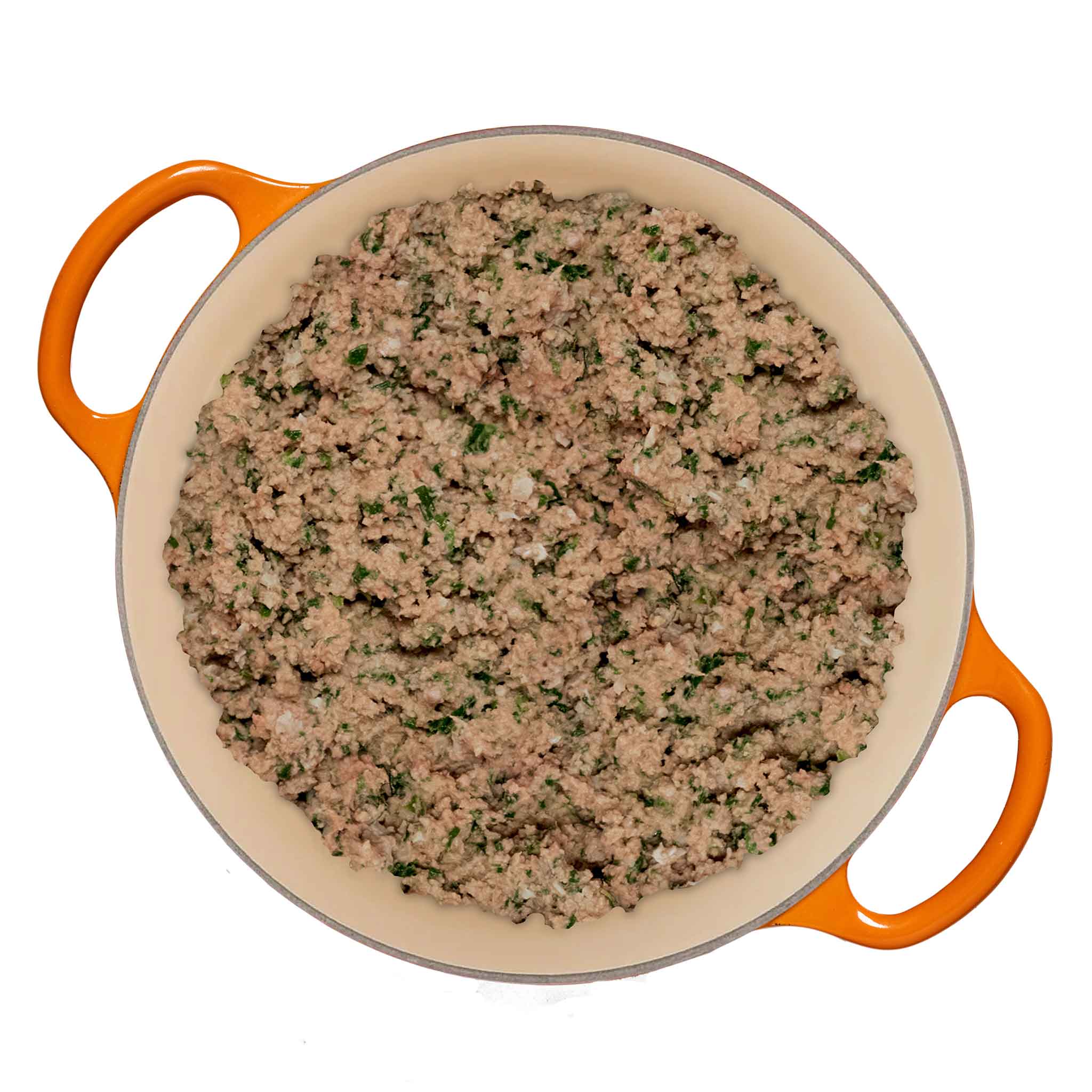
At Tom&Sawyer®, our Canadian feline meals include Chicken Cacciatore*, Bento Box*, and Wild West Kangaroo*. Our recipes use human grade ingredients and are prepared in a human grade inspected facility.
The important part is not assuming that the words "fresh" or "human grade" make a meal a medical solution for lethargy. When we talk about nutrition for tired cats, we're talking about supporting normal nutritional needs once concerns about low energy have been appropriately addressed.
How Can You Tell Whether a New Food Is Helping?
Look at your cat as a whole rather than judging the food by one energetic afternoon.
Over time, monitor:
- Normal appetite
- Stable, appropriate body weight
- Healthy body and muscle condition
- Normal stool quality
- Normal grooming
- Willingness to play and interact
- Their usual sleep and activity patterns
Your cat's baseline matters. Some adult cats are naturally quieter than others, and changes are often more informative than comparing one cat with another.
If energy remains unusually low despite eating normally, don't continue switching foods hoping to find a nutritional fix. That's a reason to return to your veterinarian.
Build Everyday Vitality From a Better Nutritional Foundation
A complete diet can't promise to turn a lethargic cat into an energetic one, because true lethargy may signal something food alone can't solve. Once medical concerns have been addressed, though, balanced nutrition, appropriate calories, quality protein, essential feline nutrients, good hydration, and a meal your cat actually wants to eat provide the foundation for normal everyday vitality. At Tom&Sawyer®, we make human grade, gently-cooked feline meals designed around complete nutrition rather than a quick "energy boost." If you're ready to find a recipe and feeding amount that fits your cat, complete our custom Meal Plan questionnaire and tell us about your kitty so we can help make their everyday bowl work harder for them.
*currently available in Canada only.
Resources
- Cornell Feline Health Center. Feeding Your Cat. Cornell University College of Veterinary Medicine.
https://www.vet.cornell.edu/departments-centers-and-institutes/cornell-feline-health-center/health-information/feline-health-topics/feeding-your-cat - Merck Veterinary Manual. Nutritional Requirements of Small Animals.
https://www.merckvetmanual.com/management-and-nutrition/nutrition-small-animals/nutritional-requirements-of-small-animals - Cornell Feline Health Center. Anemia.
https://www.vet.cornell.edu/departments-centers-and-institutes/cornell-feline-health-center/health-information/feline-health-topics/anemia - Cornell Feline Health Center. Diarrhea.
https://www.vet.cornell.edu/departments-centers-and-institutes/cornell-feline-health-center/health-information/feline-health-topics/diarrhea - Cornell Feline Health Center. Hydration.
https://www.vet.cornell.edu/departments-centers-and-institutes/cornell-feline-health-center/health-information/feline-health-topics/hydration - Cornell Feline Health Center. Is Your Cat Slowing Down?
https://www.vet.cornell.edu/departments-centers-and-institutes/cornell-feline-health-center/health-information/feline-health-topics/your-cat-slowing-down - Cornell Feline Health Center. Anorexia.
https://www.vet.cornell.edu/departments-centers-and-institutes/cornell-feline-health-center/health-information/feline-health-topics/anorexia - U.S. Food and Drug Administration. "Complete and Balanced" Pet Food.
https://www.fda.gov/animal-veterinary/animal-health-literacy/complete-and-balanced-pet-food