
Bichpoo Food Allergies: Choosing Dog Food for an 8-Week Elimination Diet
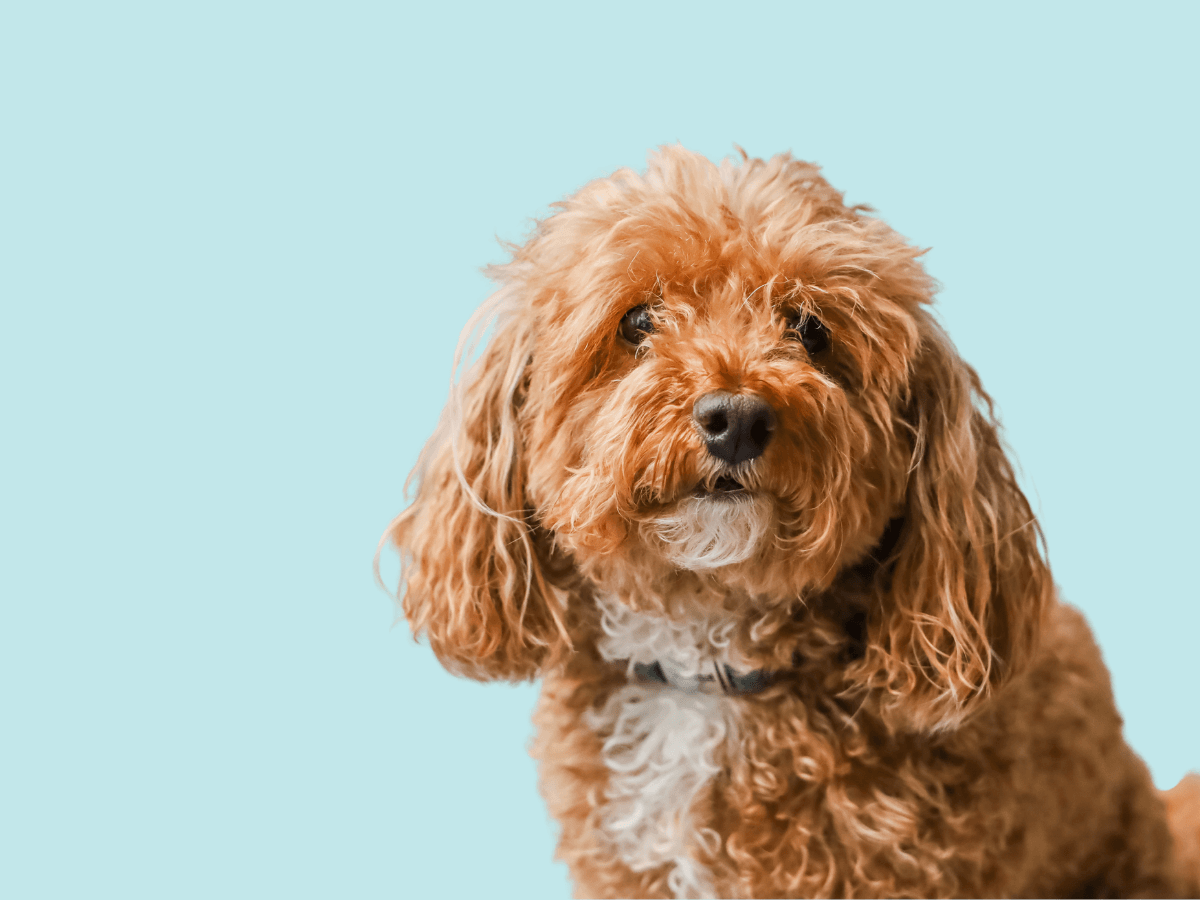
Bichpoo food allergies are diagnosed with an elimination diet: one new, complete meal and nothing else for at least 8 weeks, then a planned test of the old foods. A review of the research found that 8 weeks is long enough to catch more than 90% of food reactions. Here's how to run the trial with your vet, step by step. Our Bichpoo dog food guide covers the breed's full profile.
What are the signs of Bichpoo food allergies?
The signs of Bichpoo food allergies usually show up on the skin: itching, licked or chewed paws, red patches and repeat ear trouble. Our breed profile lists itchy paws and skin, chicken allergy and a sensitive stomach as the Bichpoo's common health risks.
Bichpoo itchy skin can also come from environmental allergies, fleas or infections, which is why your vet will rule those out before a food trial. A food trial answers one question only: is something in the bowl causing the reaction?
Why does an elimination diet last 8 weeks?
An elimination diet lasts 8 weeks because skin reactions take time to settle. A review of elimination diet studies found that more than 80% of dogs with food-related skin reactions had improved by 5 weeks, and more than 90% had fully improved by 8 weeks1.
Stopping at 3 or 4 weeks can make a real food allergy look like a failed trial. The authors concluded that trials should last at least 8 weeks1, so plan for two full months before judging the result.
How do you choose the protein for a Bichpoo food trial?
You choose the protein for a Bichpoo food trial by picking one your dog has never eaten. A review of the evidence found that beef, dairy, chicken and wheat are the food allergens most often behind skin reactions in dogs2.
Start by listing everything your Bichpoo has eaten in the past year, including treats, chews and dental sticks. Then pick a complete meal built on a protein that isn't on the list. For many Bichpoos raised on chicken and beef, fish, pork or kangaroo is a fresh start.
How do you run an 8-week elimination diet, week by week?
You run an 8-week elimination diet by switching gently, feeding only the trial meal, and tracking signs every week until your vet reviews the result. This plan keeps it simple.
Weeks | What you do | What to watch |
Week 1 | Switch gradually from the old food to the trial meal over about 7 days | Stool quality and appetite |
Weeks 2–4 | Feed only the trial meal; remove all treats, chews and flavoured supplements | Itch level, paw licking, skin colour |
Weeks 5–8 | Keep going, even if things look better | Ears, paws and coat, with weekly photos |
After week 8 | Your vet reviews the results and may plan a food challenge | Whether signs return after an old food comes back |
Our meal quiz asks about your dog's sensitivities and recommends meals without the ingredients you need to avoid, which makes picking the trial meal easier.
What breaks a food trial?
A food trial breaks when anything other than the trial meal reaches your dog. Even a small amount can bring the itch back and leave you unsure whether the diet worked.
- Treats and chews, including dental chews and rawhides, which often contain chicken or beef.
- Flavoured medications and supplements, such as chewable tablets; ask your vet for unflavoured options.
- Table scraps and shared plates, so everyone in the home needs to know the rules.
- Other pets' bowls, since a Bichpoo will happily help a housemate finish dinner.
For rewards during the trial, use small pieces of the trial meal itself.
What happens after the elimination diet?
After the elimination diet, your vet may plan a food challenge: adding back one old food to see whether the signs return. The review on common allergens suggested that challenges in dogs start with beef and dairy, the most commonly recognised food allergens2.
If the itch comes back within days of a challenge, you've likely found a trigger. If it doesn't, your vet will look harder at environmental causes.
Does diet affect Bichpoo tear stains?
Diet affects Bichpoo tear stains only when a food reaction is part of what makes the eyes water. Tear stains come from porphyrin, a pigment in tears, and excess tearing is often caused by allergens, blocked tear ducts or eye and face shape3.
So a food trial won't change stains caused by drainage or anatomy. If your Bichpoo has stains along with itchy paws and skin, mention both to your vet before the trial starts.
What is the best food for a Bichpoo food trial?
The best food for a Bichpoo food trial is a complete and balanced meal built on one protein your dog hasn't eaten before. Our breed page features three chicken-free meals, all tagged Allergy-Friendly on our site.
- Fisherman's Best Friend Supper pairs wild Alaskan pollock with butternut squash, brown and white rice and cranberries, at 504 kcal per pack. It's a low fat recipe with no chicken, beef or pork.
- Kangaroo uses kangaroo as its sole animal protein, with sweet potato and peas and no grains, at 435 kcal per pack.
- Classic Pork Stew is a stew of lean ground pork, root vegetables and leafy greens, free of chicken, beef and grains, at 742 kcal per pack.
Every Tom&Sawyer meal is made with 100% human grade ingredients in a human grade inspected facility, gently-cooked without cooking out nutrients, and lab tested to AAFCO nutrient profiles, so one recipe is a complete Poochon diet for the whole trial.
A Full Plan makes the trial meal your Bichpoo's complete diet, portioned to the gram. A Partial Plan mixes our meals with their current food once the trial is done. You can cancel anytime, and each order comes with our 14 day satisfaction guarantee.
Ready to test for Bichpoo food allergies?
Testing for Bichpoo food allergies takes 8 patient weeks, one complete meal and a vet who helps you read the result. Write down everything your dog eats today, then pick a protein that isn't on the list.
Build your pup's Meal Plan with our meal quiz. Tell us about your Bichpoo, and we'll match them with chicken-free meals portioned to their weight.
Please consult your veterinarian before making changes to your pet's diet, especially if your pet has a medical condition.
Resources
- Olivry, T., Mueller, R. S., & Prélaud, P. (2015). Critically appraised topic on adverse food reactions of companion animals (1): duration of elimination diets. BMC Veterinary Research, 11, 225. https://pmc.ncbi.nlm.nih.gov/articles/PMC4551374/
- Mueller, R. S., Olivry, T., & Prélaud, P. (2016). Critically appraised topic on adverse food reactions of companion animals (2): common food allergen sources in dogs and cats. BMC Veterinary Research, 12, 9. https://bmcvetres.biomedcentral.com/articles/10.1186/s12917-016-0633-8
- Boldan, M. (n.d.). Epiphora in Dogs: Causes and Treatment. PetMD. https://www.petmd.com/dog/conditions/eyes/watery-eyes-epiphora-dogs