
Do Dogs Need Carbohydrates?
By Dr. Hannah Godfrey, PhD · · Updated
Carbohydrates are one of the three macronutrients responsible for contributing to the overall energy content of the diet. But do dogs need carbohydrates?
Sources of Carbohydrates
Carbohydrates are found throughout a variety of foods. The most common carbohydrate sources are often barely, rice, potatoes, corn, peas, oats, and whole wheat.

Photo by Faris Mohammed
Various vegetable and fruit ingredients will also contribute to the carbohydrate content of foods.
It’s important to remember that these ingredients are considered carbohydrate sources, but they also contain other beneficial nutrients as well. For example, quinoa is an excellent carbohydrate source for dogs that also provides a high quality protein source!
Here, we will investigate the use of carbohydrates for dogs and their role in pet foods.
What are Carbohydrates?
As stated, carbohydrates are a macronutrient composed of sugar units. Typically, carbohydrates are classified as simple or complex.
Simple carbohydrates are what we know as “sugars” and contain one to two sugar molecules (ie. fructose, glucose), with glucose being physiologically essential for dogs. Complex carbohydrates contain more than two sugar molecules. The complex carbohydrates can be further classified. Oligosaccharides are complex carbohydrates that contain 3 to 10 sugar molecules while polysaccharides contain greater than 10 sugar molecules.
Starch is a complex carbohydrate that is digestible whereas fibres are complex carbohydrates that resist digestion. Both are types of polysaccharides.
How Do Dogs Use Carbohydrates?
Unlike humans, dogs have limited amylase in their saliva. Therefore, chemical breakdown of carbohydrates for dogs starts in the small intestine by amylases produced from the pancreas.

Photo by Tamas Pap
Starches from different sources such as corn, wheat, and rice are highly digestible, typically >99%. This means that the large chain of sugar molecules can be broken down into smaller sugar units, glucose and galactose, to be absorbed.
Once absorbed, glucose can be used to produced ATP - the major energy substrate for body processes or to replenish glycogen stores for future use.
Fibres, which are indigestible, pass through the gastrointestinal tract and eventually are excreted. This is not to say that they have no nutritional value. Quite the contrary! Fibre is important for gut health, stool quality, supporting the microbiome, and may have benefits in the prevention and treatment of different disease states (ie. obesity, diabetes, pancreatitis, IBD).
You can read more about fibre for dogs in our article, here.
Do Dogs Need Carbohydrates?
Currently, there are no dietary requirements for carbohydrates (or fibre) except for during pregnancy and lactation. In fact, a low carbohydrate diet can have many negative consequences for reproducing dogs such as increased mortality rate of litters and hypoglycemia in puppies and breeding pup.
Although there are no requirements for carbohydrates in adult dogs, carbohydrates are an important contributor to energy. Glucose is physiological essential for dogs as it is required for energy by the body.

Photo by Stainless Images
Dogs are better at using carbohydrate sources for glucose production compared to protein or fat sources. In addition, by providing carbohydrate sources in their diet, dogs are then able to use protein for other important purposes, such as for growth, tissue repair, and in the immune system instead of having to convert them to glucose.
Other Benefits to Carbohydrates in Dog Food
Carbohydrates may also contribute to your dogs natural preferences. When palatability of the diet was controlled for, dogs chose diets that contained a moderate level of carbohydrates (36% of their metabolizable energy). Additional advantages of carbohydrates are their contribution to the texture and flavour of the food.
Common Myths for Carbohydrates and Dogs:
1. Carbohydrates lead to Obesity
Obesity is a rising concern for dogs and recently, fingers have been pointed at carbohydrates. However, studies consistently show that lack of appropriate exercise, overfeeding, and free-feeding high fat diets are greater risk factors for obesity. If your pup is looking to shed a few pounds, read our Safe Weight Loss For Dogs article.
2. Carbohydrates lead to Diabetes
Diabetes in dogs often resembles Type 1 Diabetes, the intake of carbohydrates is not a major concern, rather, genetic and environmental factors, and pancreatitis prevalence is more of a factor. Carbohydrates may need to be monitored in dogs diagnosed with diabetes due to their inability to control blood glucose levels. However, more research is needed in this field.
3. Carbohydrates are Common Food Allergies
Food allergies in dogs are quite rare, and the most common allergens are from proteins, not carbohydrates. However, wheat, soy, etc are particularly common allergens for dogs. Because we refer to these products as carbohydrate sources, people may confuse the carbohydrates for the allergen when in reality, it is the protein portion of these ingredients that acts as the allergen (ie. gluten).
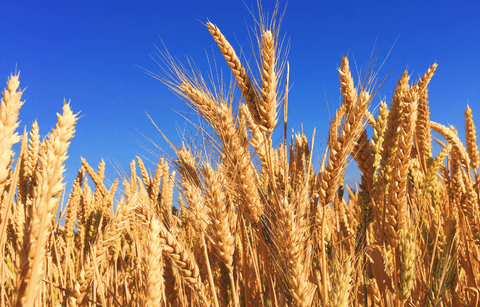
Photo by Melissa Askew
If you’re looking to get some healthy carbs into your dog’s diet, visit our menu page for some delicious and nutritious options your dog will love.
Other articles you might like:
Are Grains Healthy for my Dog?
Can My Dog Eat Potato?
Is Quinoa Good for Dogs?
Written by: Hannah Godfrey
Animal Nutritionist
BSc.H. | MSc. Animal Nutrition
www.tomandsawyer.com
References
Rankovic A et al. Role of carbohydrates in the health of dogs. Journal of the American Veterinary Medical Association. 2019.
German AJ. The growing problem of obesity in dogs and cats. Journal of Nutrition. 2006.
Nelson DL, Cox MM. Carbohydrates and glycobiology. In: Lehinger principles of biochemistry. 5th ed. New York: WH Freeman, 2008.
Romsos DR, et al. Influence of a low carbohydrate diet on performance of pregnant and lactating dogs. Journal of Nutrition. 1981.
National Research Council. Nutrient requirements and dietary nutrient concentrations. In: Nutrient requirements of dogs and cats. Washington, DC: The National Academies Press, 2006.
Hall JA, Vondran JC, Vanchina MA, et al. When fed foods with similar palatability, healthy adult dogs and cats choose different macronutrient compositions. Journal of Experimental Biology. 2018.
Case LP et al. Canine and Feline Nutrition: A Resource for Companion Animal Professionals 3rd Ed. 2010.