
A Guide to Diarrhea in Dogs: Causes, Symptoms, Treatment
By Dr. Hannah Godfrey, PhD · · Updated
Do you worry when your dog has diarrhea? You’re not alone! Diarrhea in dogs is fairly common, so if you own a dog, chances are you’ve had to contend with loose stools at one time or another.
While it might be difficult to stop your dog from having diarrhea from time to time, there are ways you can prevent it if you avoid some of the most common causes.
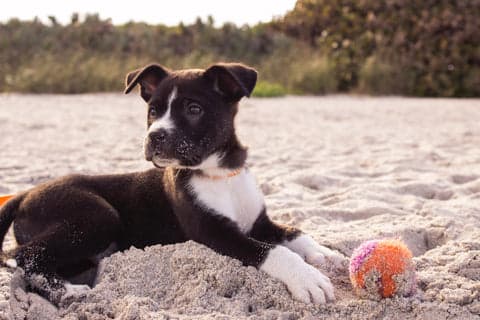
Photo by Andrew Pons
What’s a normal poop, and what’s not?
Under normal circumstances, your dog's poop should have a log-like shape, be brown in colour and firm, and leave no marks when scooped up.
Diarrhea, on the other hand, is the occurrence of loose or watery stools, and typically, diarrhea in dogs is categorized by the following:
- Acute diarrhea, or diarrhea over a short duration
- Recurring diarrhea, which can be short or long bouts of diarrhea
- Chronic diarrhea, which is diarrhea lasting more than three weeks
While many cases of diarrhea can be chalked up to simple, easy-to-treat incidences such as consuming something they shouldn’t have (i.e. grass, table scraps), diarrhea can also be a sign of illness and life-threatening diseases.
What Causes Diarrhea in Dogs?
First, it’s important to establish that diarrhea is not a disease itself. Rather, it is a symptom or a result.

Photo by Andrew Pons
Some common causes for diarrhea, most often acute diarrhea, can include:
- Consuming spoiled food
- Change in diet
- Consumption of a foreign body (i.e. rocks, toys, fabric)
- Stress and anxiety
- Overeating
Diarrhea, usually recurring or chronic, can be a symptom of serious conditions and diseases:
- Food intolerances or allergies
- Inflammatory bowel disease
- Pancreatitis
- Liver or kidney disease
- Colitis
- Intestinal cancers
Other causes of diarrhea, acute, recurring, or chronic, can be due to:
- Viral infections
- Bacterial infections
- Parasites (i.e. roundworms, hookworms)
- Certain medications
- Antibiotic use
Diagnosis for Diarrhea
Diarrhea does not always require a call or trip to your veterinarian. Acute diarrhea will usually resolve itself within 24-48 hours. However, when a pup is brought in due to diarrhea, acute or chronic, there are a few diagnostic tests that can be performed to help find the root cause.

Photo by Tamara Bellis
Your veterinarian will first ask for a diet history, information on activities over a small period of time, and also discuss whether your pup has come into contact with other pups. This helps them to decide where to aim their tests and rule out factors that could be contributing to the diarrhea.
Diagnostic tests can include fecal samples, blood tests, and DNA tests. In addition, they may require an X-ray, ultrasound, endoscopy, a biopsy, or in rare cases, an exploratory abdominal surgery.
Treatment
For healthy dogs with acute diarrhea, treatment is quite simple. Withholding food for up to 24 hours and slowly reintroducing food in small frequent meals is step one. Water is to be provided at all times.
Tom&Sawyer’s Tummy Tamer recipe, though not complete and balanced, can help during this transition time. This recipe is made with carefully selected tummy-soothing ingredients, including chicken, rice, and pumpkin — which is highly palatable, easy to digest, and contains both soluble and insoluble fibres which can be beneficial for gut health and diarrhea. You can read more about our Tummy Tamer recipe here.
A dietary change may also be necessary at this time. You should look for a highly digestible food that is easy on the digestive system with prebiotic fibres. Gently cooked pet food can be a great option as it checks all of the boxes! Check out our menu of fresh pet food for dogs here.
If diarrhea persists, a probiotic supplement may be recommended. Antidiarrheal agents may be applicable such as Metronidazole (Flagyl®) and Tylosin (Tylan®). In some cases, antibiotics may be prescribed or a dewormer.
Other articles you might like:
Allergies in Dogs and How to Help
Pancreatitis in Dogs
Written by: Hannah Godfrey
Animal Nutritionist
BSc.H. | MSc. Animal Nutrition
www.tomandsawyer.com