
How Do You Know If Your Dog Has a Food Allergy (and What to Feed Instead)?
Written by Kristin Matthews, Co-Founder & Dr. Hannah Godfrey, PhD, Animal Nutritionist
There are few things more heartbreaking for a pet parent than watching your pup suffer. The constant scratching, the paw biting, and the restless nights can leave you feeling helpless. Is it the grass? The laundry detergent? Or is it something in their bowl?
Distinguishing between environmental triggers and food sensitivities is notoriously difficult, but diet plays a massive role in your dog’s overall health. When the immune system overreacts to an ingredient, it can manifest in ways that seem unrelated to digestion, turning a happy pup into an uncomfortable, itchy one.
The good news is that nutrition is a variable you can control. By switching to a dedicated dog food for allergies, you can help calm inflammation and give your furry fur-iend their quality of life back.
What Are the Most Common Signs of Food Allergies in Dogs?
Unlike humans who might experience throat swelling or hives immediately after eating a peanut, dogs process allergies differently. The signs are often chronic, meaning they happen over time, and they usually manifest through the skin or the gut (or both).
While dry skin can happen to any dog, true allergic reactions are usually more intense and persistent.
Chronic Itching and Paw Licking
This is the hallmark of a food allergy. If your pup is scratching excessively—specifically around the ears, paws, rear end, and underbelly —it could be a reaction to their food.
Many pet parents notice their dogs obsessively licking or chewing their paws. This moisture and trauma can lead to "hot spots" (acute moist dermatitis), which are painful, red, inflamed patches of skin that require immediate attention.
Recurring Ear Infections
Does your canine companion suffer from ear infections that just won’t go away, or keep coming back despite treatment?
Food sensitivities often cause systemic inflammation, which changes the environment inside the ear canal. This allows yeast and bacteria to thrive. If you are constantly treating the ear with topical medication but are not changing their diet, you might only be treating the symptom, not the root cause.
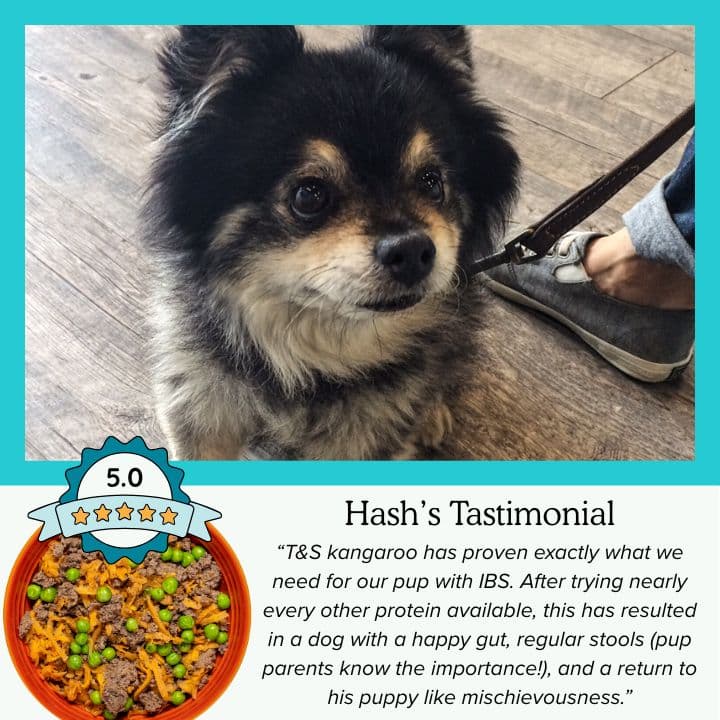
Digestive Distress and GI Issues
While skin symptoms are actually more common with food allergies, gastrointestinal distress is a major red flag. Watch for:
Chronic gas
Vomiting bile
Inconsistent or loose stools
Frequent bowel movements (more than 3 times a day)
If your dog has a "sensitive stomach" alongside itchy skin, diet is the first place you should look.
Food Allergy vs. Food Intolerance: What Is the Difference?
These terms are often used interchangeably, but there is a distinct difference between the two.
Food Allergy : This is an immune system response. Your dog's body mistakenly identifies a specific protein ingredient as harmful and attacks it. This triggers the release of histamines, leading to the intense itching and inflammation described above.
Food Intolerance : This is a digestive issue. It means your dog lacks the enzymes to properly digest a certain ingredient (similar to lactose intolerance in humans). The result is usually gas, bloating, and diarrhea, rather than itchy skin.
Understanding this distinction helps in selecting the right treatment. However, for both scenarios, the solution is usually the same: remove the offending ingredient from their diet.
What Foods Are Dogs Most Allergic To?
There is a common misconception that grains are the enemy. While some dogs do have grain sensitivities, veterinary dermatology data suggests that animal proteins are actually the most common allergens.
The ingredients most frequently associated with adverse food reactions in dogs include:
Beef
Chicken
Dairy products
Wheat
It is important to remember that these aren't "bad" ingredients. They are simply common ingredients. Because they have been used in commercial dog foods for decades, dogs have been exposed to them frequently, increasing the likelihood of developing a sensitivity over time.
How Do I Diagnose a Food Allergy in My Dog?
Blood tests and saliva tests for food allergies exist, but many veterinary dermatologists caution that they can be unreliable and prone to false positives.
The "Gold Standard" for diagnosis is an Elimination Diet .
This protocol involves feeding your dog a specific diet containing ingredients they have never eaten before (or a hydrolyzed protein) for a strict period, typically 8 to 12 weeks .
The Rules of the Elimination Diet:
Strict Adherence: Your dog cannot have anything else. No flavoured medications, no table scraps, no rawhides, and absolutely no regular treats.
Patience: It takes time for the allergens to leave the system and for the skin to heal. You may not see results in the first few weeks.
Reintroduction: Once symptoms clear, ingredients are slowly reintroduced one by one to see if the itching returns, confirming the trigger.
What Is the Best Diet for a Dog With Allergies?
If you suspect an allergy, simply switching from one brand's chicken recipe to another brands' chicken recipe likely won’t help. You need to change the protein source entirely and/or the method of processing.
The Power of Novel Proteins
A Novel Protein is a protein source that your dog has never been exposed to. Because the immune system doesn't recognize the protein, it doesn't launch an attack.
Common proteins like chicken and beef are replaced with unique options such as:
Kangaroo*
White Fish
Lean Pork
Tom&Sawyer’s novel proteins are an excellent choice for elimination diets. These are all lean, high-quality meats that are rarely found in standard commercial pet foods (usually because they are more expensive), making them highly effective for diagnosing and managing allergies. The Kangaroo* recipe was formulated very specifically to have only 3 food ingredients.
Why Fresh Food Helps Sensitive Stomachs
Beyond the protein source, the quality and processing of the food matters. Fresh, gently-cooked food offers a distinct advantage:
Higher Digestibility: Gently-cooked food is easier to digest, allowing dogs to absorb more nutrients while putting less strain on a sensitive or inflamed gut.
High Moisture: Helps maintain hydration and improve digestibility.
Why Choose Tom&Sawyer for Your Sensitive Dog?
At T om&Sawyer , we believe that dogs with allergies deserve food that is not only safe but also delicious. You shouldn't have to sacrifice culinary enjoyment for clinical results.
Our approach bridges the gap between science and the kitchen. We employ a team of animal nutritionists (including PhDs) to formulate complete and balanced meals, which are then prepared in a government inspected Human Grade facility under the same standards required for food made for people.
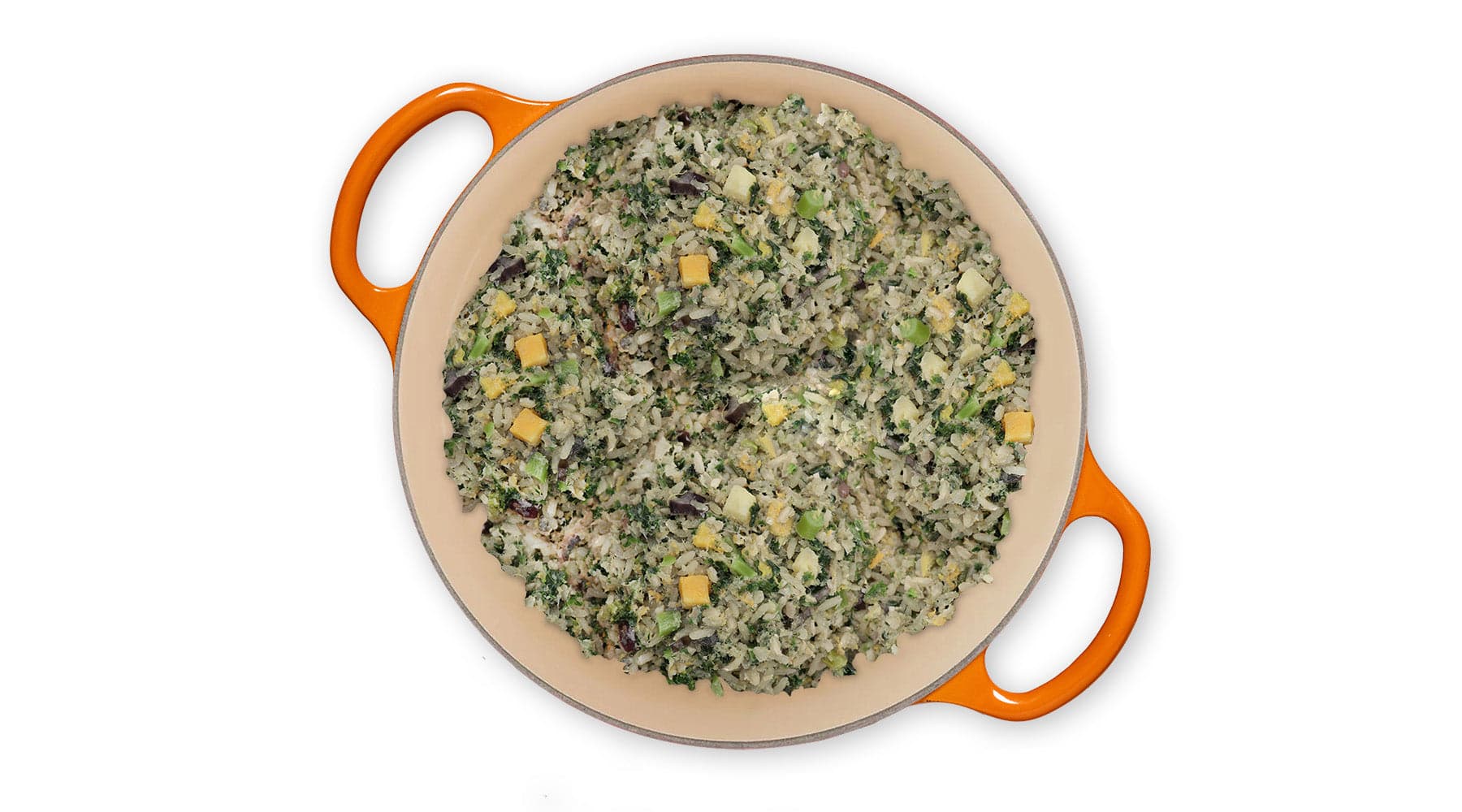
For pups struggling with sensitivities, our Fisherman's Best Friend and Kangaroo* meals are game-changers . True novel protein sources are used in each of these recipes (wild Alaskan Pollock and Kangaroo), in combination with fresh, whole-food ingredients that contain no gluten or dairy. They're both low fat, gentle on digestion, and completely free of the preservatives and feed-grade ingredients often found in processed diets.
We are transparent about every single ingredient because we know that when you have an allergic dog, trust is everything. Give your pup the relief they deserve with the fresh, scientifically formulated meals from Tom&Sawyer. * Recipe currently available in Canada only.