
10 Common Houseplants That Are Toxic to Dogs and 10 Dog-Safe Plants: Ensure a Pet-Safe Environment
As responsible dog owners, it is essential to create a safe environment for our furry friends. While houseplants add beauty and freshness to our homes, some common varieties can pose a threat to our canine companions.
In this article, we will discuss ten houseplants that are toxic to dogs, enabling you to make informed choices and safeguard your pet's well-being.
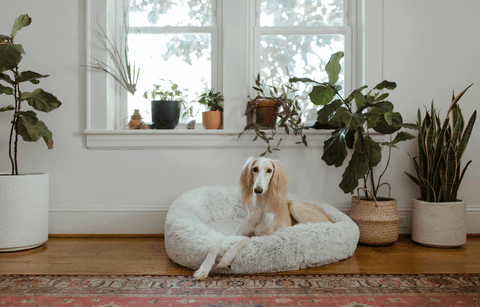
Common House Plants and Dog-Friendly Alternatives: 1. Philodendron: Philodendron plants contain insoluble calcium oxalate crystals, which can cause oral irritation, drooling, and difficulty swallowing if ingested by dogs.
A pet friendly alternative: Try the Calathea plant ! Calathea is a wide leafed plant that is considered pet friendly.
2. Sago Palm: The Sago Palm is highly toxic to dogs. Its seeds contain cycasin, a toxin that can lead to severe liver damage, vomiting, diarrhea, and even liver failure if consumed by dogs.
A pet friendly alternative: If you are looking for a palm to keep in your home try the Majesty Palm which is a pet friendly option.
3. Dieffenbachia: Also known as Dumb Cane, Dieffenbachia contains oxalate crystals that can cause oral irritation, intense burning, and swelling of the mouth and tongue if chewed or ingested by dogs.
A pet friendly alternative: For an easy to care for, wide leaf plant consider the Prayer Plant !
4. Lily: Although beautiful, certain varieties of lilies, including Easter Lily, Tiger Lily, and Daylily, are highly toxic to dogs. Ingesting any part of these plants, including the pollen, can cause kidney failure and be potentially life-threatening.
A pet friendly alternative: For a flowering plant, consider adding the Moth or Moon Orchid to your home, which is a lovely pet friendly alternative to the Lily.
5. Aloe Vera: While Aloe Vera offers various benefits for humans, it can be toxic to dogs. The plant's gel and latex contain compounds that can cause vomiting, diarrhea, and tremors if ingested.
A pet friendly alternative: The Echeveria can be a beautiful succulent plant that poses no toxic risks for your pets!
6. Pothos: Pothos, also known as Devil's Ivy, is a popular trailing plant, but its leaves and stems contain calcium oxalate crystals. Ingestion can lead to oral irritation, vomiting, and difficulty swallowing.
A pet friendly alternative: For beautiful and unique green tones, consider the Pepperomia plant as a pet friendly option instead of the Pothos plant.
7. English Ivy: English Ivy is a vine often used for decorative purposes. If dogs ingest its leaves or berries, they can experience vomiting, diarrhea, abdominal pain, and skin irritation.
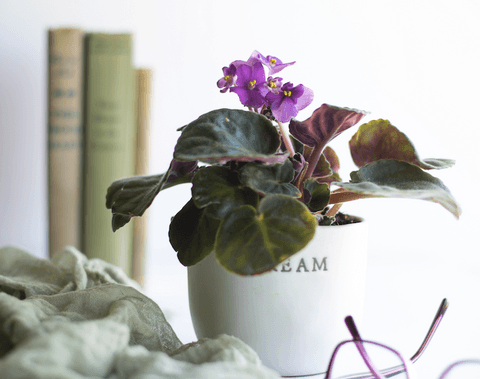
Creating a Pet-Safe Environment: To ensure the well-being of your dog, consider the following steps:
1. Research Before You Buy:
Before bringing any houseplant into your home, research its toxicity level to determine if it poses a risk to your dog's health. Opt for non-toxic alternatives if possible. The ASPCA is a great resource for determining if a plant is toxic for your pet.
2. Place Plants Out of Reach:
Keep toxic plants in areas that are inaccessible to your dog, such as high shelves or hanging baskets. This prevents accidental ingestion and reduces the risk of exposure. However, removing plants that are toxic is the best way to ensure a pet-safe environment.
3. Train Your Dog:
Train your dog to avoid chewing or eating plants. Provide appropriate chew toys and redirect their attention if they show interest in the plants.
4. Supervise Outdoor Activities:
If you have toxic plants in your garden, ensure your dog is supervised during outdoor activities to prevent them from accessing or ingesting harmful foliage.
5. Know the Signs of Plant Toxicity:
Familiarize yourself with the signs of plant poisoning in dogs, such as vomiting, diarrhea, drooling, excessive thirst, lethargy, and difficulty breathing. If you suspect ingestion, contact your veterinarian immediately.
By being aware of common houseplants that are toxic to dogs and taking preventive measures, you can create a safe and pet-friendly environment for your canine companion. Prioritize their well-being by choosing non-toxic alternatives and ensuring that potentially harmful plants are out of their reach. Remember, responsible pet ownership means keeping your furry friend safe from these potential hazards.
Written by: Hannah Godfrey Animal Nutritionist BSc.H. | MSc. Animal Nutrition www.tomandsawyer.com