
What Cats Need to Eat: 5 Key Nutrients for Feline Health
By Dr. Hannah Godfrey, PhD · · Updated
Written by Dr. Hannah Godfrey, PhD, Animal Nutrition
Cats have very specific nutritional requirements, and protein is the most critical one. Unlike dogs, cats are obligate carnivores, meaning their bodies depend on animal-derived nutrients to survive. Protein is not just a building block for muscles; it is also the primary energy source for your kitty.
But protein alone does not cover everything. Cats also require specific amino acids like taurine and arginine, a fatty acid called arachidonic acid, and key vitamins including Vitamin A and Niacin, all of which must come directly from their diet because their bodies cannot produce them in sufficient amounts.
Cats and dogs are a huge part of our fur-families but cats have their own set of nutrient requirements. Ultimately, this means that we cannot feed our cats as though they were small dogs as this would result in multiple nutrient deficiencies. This post breaks down the 5 most important nutritional considerations for cats and explains why each one matters for your feline fur-iend's health.
Quick Reference: 5 Key Cat Nutrients at a Glance
Nutrient
Why Cats Need It
Best Food Sources
Protein
Energy, muscle, organ function
Muscle meats, organ meats
Amino Acids (Taurine, Arginine)
Heart health, vision, ammonia removal
Animal muscle and organ tissue
Arachidonic Acid
Growth, reproduction, inflammation response
Animal fats, organ meats
Vitamin A
Vision, liver function, fat metabolism
Liver, organ meats
Niacin (Vitamin B3)
Energy production, digestion, skin and coat
Muscle meats, organ meats
Five Most Important Nutrients Your Cat Should Eat
Cats are not small dogs. Their digestive systems, metabolic pathways, and nutrient requirements are fundamentally different. Understanding what your cat actually needs is the first step to feeding them well.
Protein
This one may seem obvious given the above information, but it is no less important to state. Protein is the most essential macronutrient in a cat's diet. Cats use protein as their primary energy source, relying on it far more efficiently than carbohydrates. Every cell in your cat's body depends on a steady supply of amino acids from dietary protein to maintain organ function, support muscle, and sustain energy levels.
Without adequate protein, cats experience weight loss, muscle wasting, and long-term organ damage.
Because cats are obligate carnivores, their protein must come primarily from animal sources. Plant proteins alone cannot meet a cat's full amino acid requirements.
Amino Acids
Protein is made up of amino acids. For dogs and cats, the essential amino acids include arginine, histidine, isoleucine, leucine, lysine, methionine, phenylalanine, threonine, tryptophan, and valine.
For cats, they have a much higher requirement for arginine. Arginine is used for removing ammonia. Inadequate amounts of arginine in the diet will lead to ammonia toxicity. This can ultimately result in weight loss, vomiting, and in serious cases, death.
Another amino acid of interest for cats is taurine. Humans, and dogs, can make taurine, but cats cannot. Therefore, taurine is an essential amino acid for cats.
Without taurine, cats may suffer from blindness and other eye-related disorders. Low taurine levels will result in an enlarged heart (dilated cardiomyopathy). There are also concerns for reproductive issues in cats with low taurine.
Arachidonic Acid
Arachidonic acid is usually synthesized from linolenic acid and is considered an omega-6 fatty acid. Unfortunately, cats are unable to synthesize arachidonic acid themselves and thus require it from their diet.
Sources of arachidonic acid are only found in animal material. When deficient in arachidonic acid, cats might experience problems with growth and reproduction.
Vitamin A
Beta-carotene, a common ingredient in plant material (i.e. carrots), is converted to vitamin A by a specific enzyme. While cats have the enzyme needed for this reaction, it is not as active as other species. Because of this, cats have a higher need for preformed vitamin A.
If a diet is not balanced properly for vitamin A, cats can experience problems with their vision. In addition, vitamin A deficiencies can cause liver disorders and may negatively affect fat metabolism.
Niacin (Vitamin B3)
Also known as vitamin B3, niacin is typically made from the amino acid tryptophan in the body. Niacin has important roles in energy production, energy use, digestion, and skin and coat health.
Cats can’t make niacin from tryptophan, making it an important vitamin that needs to be added to their diet. Luckily, niacin is high in many animal products, such as in muscles and organ meats.
What Cats Can (and Cannot) Eat
Cats are considered obligate carnivores, but this does not mean they can only eat animal material. It means that a substantial portion of their diet must come from animal-derived sources: muscle meats, fats, and organ meats.
Cats can eat plant material and obtain nutrients and other benefits from having plant material in their diet. However, while they can survive on a complete and balanced plant based diet, more studies and research need to be done to ensure these diets are appropriately adequate, nutritionally. We want our cats to thrive, not just survive!
Fruits and veggies offer many incredible things that animal material does not – and none of this is to say that having plant material in our cat’s food is bad or unwanted. Wild cats consume a variety of prey species (birds, rodents, etc.) and consume almost the entirety of the prey.
This means that they have essentially adapted to bypass certain reactions in the body to make specific nutrients because of their large presence in the diet. As such, cats have developed what we call “nutritional idiosyncrasies” – all of which make them obligate carnivores.
Key Ingredients to Look for in a Cat Food
Knowing the nutrients your cat needs is one thing. Knowing which ingredients actually deliver them is where it gets practical.
When evaluating any cat food, look for these whole food ingredients as primary components:
Muscle meats (chicken, turkey, beef, kangaroo): high-quality protein and amino acid source, including taurine
Organ meats (liver, heart): dense source of Vitamin A, niacin, arachidonic acid, and taurine
Animal fats : deliver arachidonic acid and support fat-soluble vitamin absorption
Whole vegetables (leafy greens, pumpkin, squash): fibre, micronutrients, and digestive support
Minimal supplementation : a well-formulated recipe should not need to rely heavily on synthetic vitamins; the whole food ingredients should do most of the work
What to avoid : long ingredient lists full of plant-derived proteins as the primary protein source, artificial preservatives, and diets that are high in insoluble fibers that displace the animal-based ingredients your cat actually needs.
Because of these nutritional idiosyncrasies, cats should be fed diets formulated according to their specific nutrient requirements, complete and balanced to meet AAFCO standards.
How Tom&Sawyer Cat Meals Are Built
Tom&Sawyer® gently-cooked cat meals are formulated by our lead nutritionist, Dr. Hannah Godfrey, PhD, Animal Nutrition, and made with whole food ingredients in a federally inspected human grade facility. Every recipe is complete and balanced according to AAFCO standards for cats.
Our cat recipes include whole food ingredients like chicken, kangaroo, organ meats, and vegetables, with zero preservatives and minimal additional supplementation, letting the ingredients do what they were designed to do.
Here are the cat meals currently available:
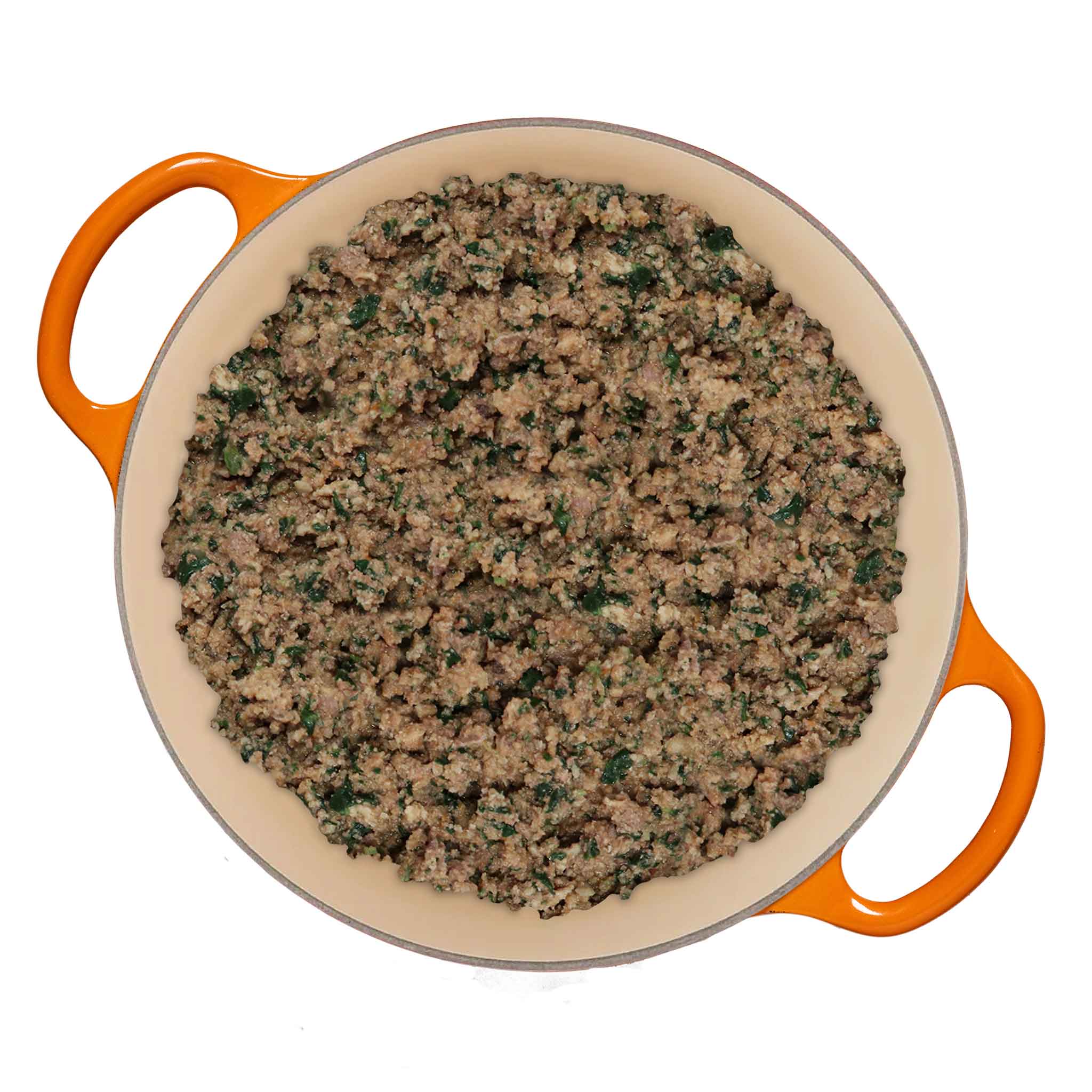
Chicken Cacciatore * : A picky eater-approved recipe formulated for senior support and skin and coat health
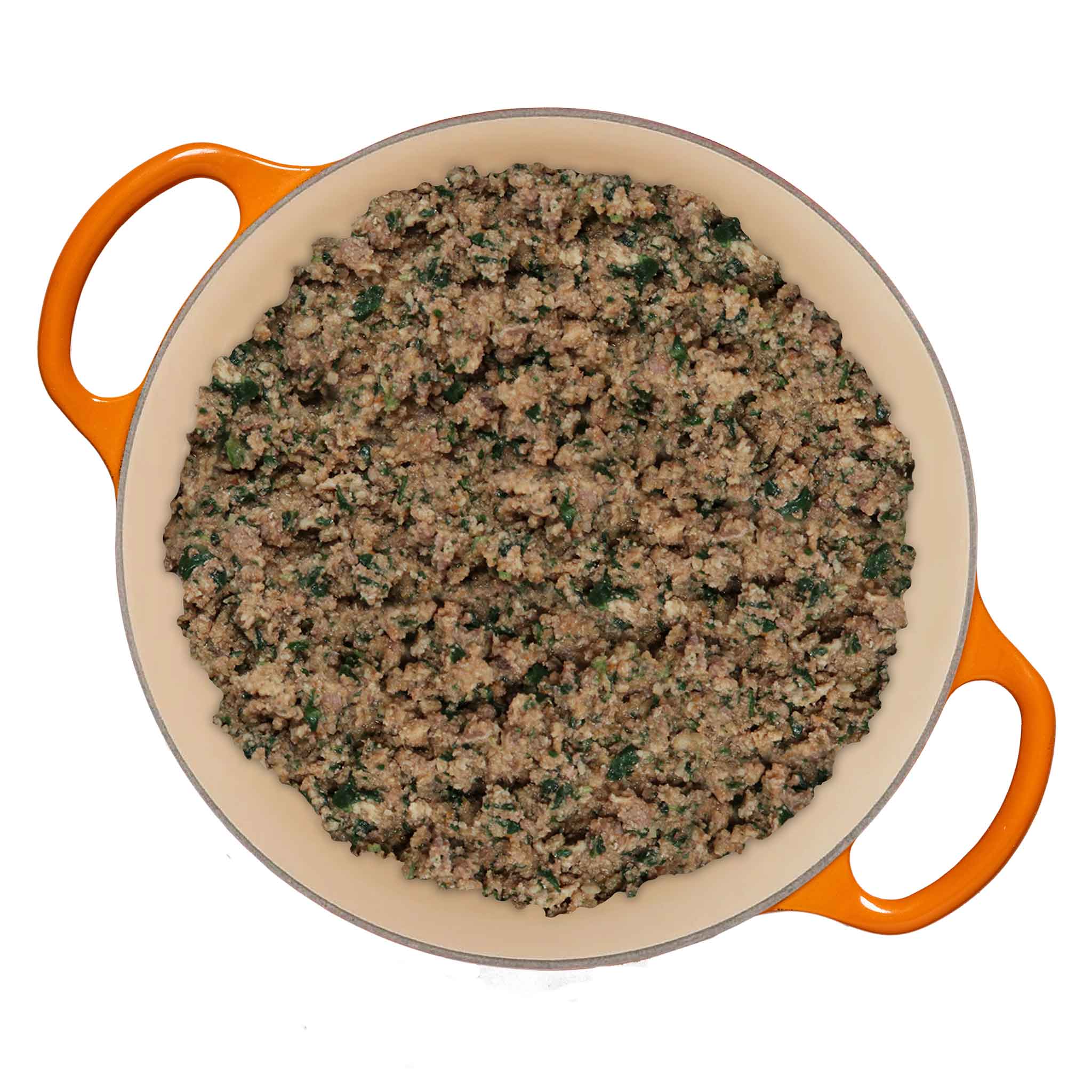
Wild West Kangaroo * : A novel protein option ideal for cats with food sensitivities or allergies
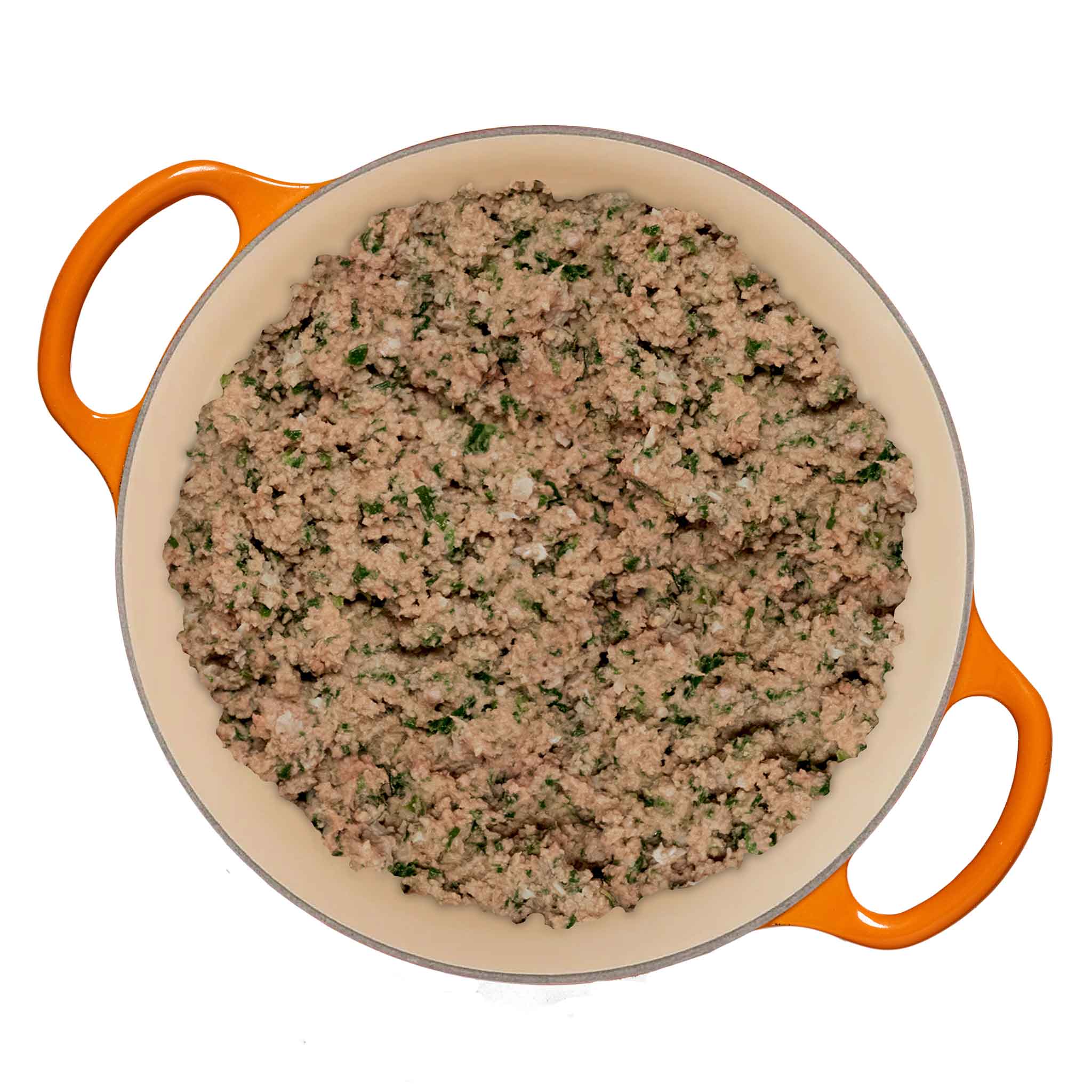
Bento Box * : A low-carb recipe developed with feline diabetes management in mind
All three are available through our cat meals collection .
How to Read a Cat Food Label with These Nutrients in Mind
As per AAFCO labelling guidelines, cat food labels list ingredients by weight, heaviest first. A few things to look for when you pick up a bag or package:
Animal protein should be the first ingredient : chicken, turkey, salmon, or another named protein source
Organ meats should appear : liver and heart provide critical nutrients like taurine and Vitamin A that muscle meat alone cannot fully supply
"Complete and balanced" for cats : this phrase means the product has been formulated to meet AAFCO nutrient profiles for cats, which includes the key nutrients covered in this post
Avoid ambiguous protein sources : terms like "meat by-products" or "animal digest" without a named species offer little transparency about ingredient quality
A short, recognizable ingredient list from whole food sources is always a good sign.
How Tom&Sawyer® Cat Meals Are Built Around Your Cat's Biology
Cats have evolved as obligate carnivores, and their nutritional needs reflect that. Protein, taurine, arginine, arachidonic acid, Vitamin A, and Niacin are not optional additions to a cat's diet. They are biological requirements that must be consistently met through the food your kitty eats every day.
At Tom&Sawyer®, every cat recipe is formulated with these requirements at the centre. Our gently-cooked meals are made with human grade whole food ingredients, zero preservatives, and minimal supplementation, delivering nutrition the way a cat's body is built to use it. Whether your feline fur-iend is a picky eater, a senior kitty, or managing a health condition, there is a recipe designed with their biology in mind.
Explore our cat meal collection and give your cat the kind of nutrition that supports happier, healthier, longer lives™.
* currently available in Canada only