
Adjusting to Your Aging Canine Companion
By Dr. Hannah Godfrey, PhD · · Updated
"As our beloved dogs age, they go through many changes that can challenge both them and us as pet parents. Recognizing that older dogs may require different nutritional support and modified exercise routines is key to helping them thrive in their golden years. Regular veterinary check-ups are vital for early detection of potential health issues, allowing us to be proactive rather than reactive. By focusing on their unique needs and maintaining a loving bond, we can create joyful experiences together, ensuring that our aging companions continue to feel cherished and supported throughout their lives." - Dr. Joe Inglis , BVSc, MRCVS.
Dr. Inglis is a UK-based Veterinarian and expert in animal nutrition. He is also the founder of VetChef and collaborator on the Tom&Sawyer VetChef line of recipes found at www.vetchef.pet
As Dr. Joe Inglis states, as our furry friends grow older, they often begin to experience a range of physical and behavioural changes that can be challenging to navigate. As pet parents, it's important for us to understand and embrace these changes so we can help our aging canine companions live their best lives.
From adapting to changes in energy levels and appetite to managing unexpected bursts of activity (also known as "zoomies"), adjusting to an aging dog requires patience, compassion, and dedication. In this article, we'll explore some common challenges that arise when caring for an older dog and provide tips for successfully navigating this new phase in your pup's life - all while maintaining a strong connection built on love and care.

Photo by Reba Spike
Navigating the "Zoomies": Understanding and Managing Sudden Bursts of Activity in Your Aging Dog As dogs get older, their habits change, and their activity levels will be one of the most noticeable signals of a different lifestyle. You’ll start to notice more sleeping, less games of fetch and less excitable moments. When you start to see this, taking a look at their nutrition could be key to helping them keep their energy levels up. Watching an older dog get the zoomies again always brings a smile to our faces - you can definitely help them find their puppy moments by adjusting what you feed them.
By thoughtfully adapting our care strategies to match changes in our furry friends' lifestyles over time, we're building precious memories together while ensuring they receive all necessary support.
Providing adequate nutrition balanced with physical activity is key; nutritious food options may become more important than ever before since aging dogs have different dietary requirements than younger ones.

Photo by Ruby Schmank
If you need more information on how to feed your aging dog, check out this article: Senior Dog Food: A Guide to the Healthiest Food for Your Senior Pup
Keeping up-to-date with regular check-ups at the veterinarian allows early detection of potential health risks like arthritis so that we can work proactively where possible rather than reactively when issues arise suddenly.
We can’t escape aging - not as humans or dogs, but there are ways to keep up a healthy balance to provide for lots of youthful moments! Keeping our four-legged friends happy and healthy helps them face challenges unique from their youthful days: there's no doubt that experiencing life's joys alongside them offers priceless rewards!
Appetite Changes: How to Adapt Your Canine Companion's Diet to Support Their Health and Well-being One of the most common challenges faced by aging dogs is changes in appetite. As our furry friends slow down with age, they naturally require fewer calories to maintain their weight. Additionally, many older dogs experience digestive issues or may no longer tolerate certain types of foods. It's important for pet owners to pay close attention to their dog's eating habits and make necessary adjustments to their diet accordingly.

Photo by Erda Estremera
To support your aging canine companion's health and well-being, consider switching them to a high-quality senior dog food that provides balanced nutrition without overloading them with excess calories. You may also need to adjust portion sizes or offer several small meals throughout the day instead of one big meal.
Lastly, don't be afraid to consult with your veterinarian if you're concerned about your dog's appetite changes. They can help identify underlying health issues that may be causing changes in dietary needs and provide guidance on appropriate feeding strategies for your specific pup. Focusing on proper nutritional support will help your senior canine companion thrive through their golden years .
Energy Levels: Embracing Your Aging Dog's Limitations and Finding New Ways to Keep Them Active and Engaged As our beloved pets age, it's important for us to understand and respect their changing energy levels. Just like humans, dogs experience a natural decrease in energy as they grow older. This means that those long hikes and vigorous games of fetch might be too much for them now. It's our job as responsible pet owners to find new ways to keep our aging companions active and engaged.
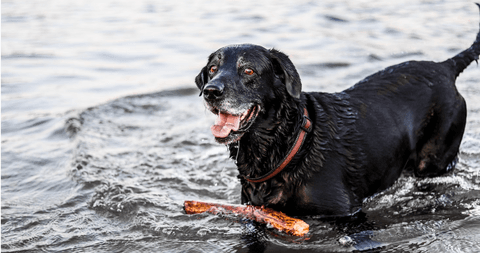
Photo by Jeremy Perkins
One way to do this is by transitioning from high-impact exercises to more low-impact activities such as gentle walks or swimming sessions. These types of exercises can provide the same amount of physical activity while being gentler on your dog's joints, which may become weaker over time.
As your dog gets older, it's also crucial to pay attention to any signs of discomfort or pain during exercise and adjust accordingly. It's also essential to remember that mental stimulation is just as crucial for an aging dog as physical activity. Puzzle toys or slow-feeding bowls can help keep your furry friend mentally engaged without requiring too much physical exertion.
With thoughtful care and intentional adjustments, we can ensure that every stage of our companion’s lives is filled with love, adventure, and joy – even if it looks different than before!